


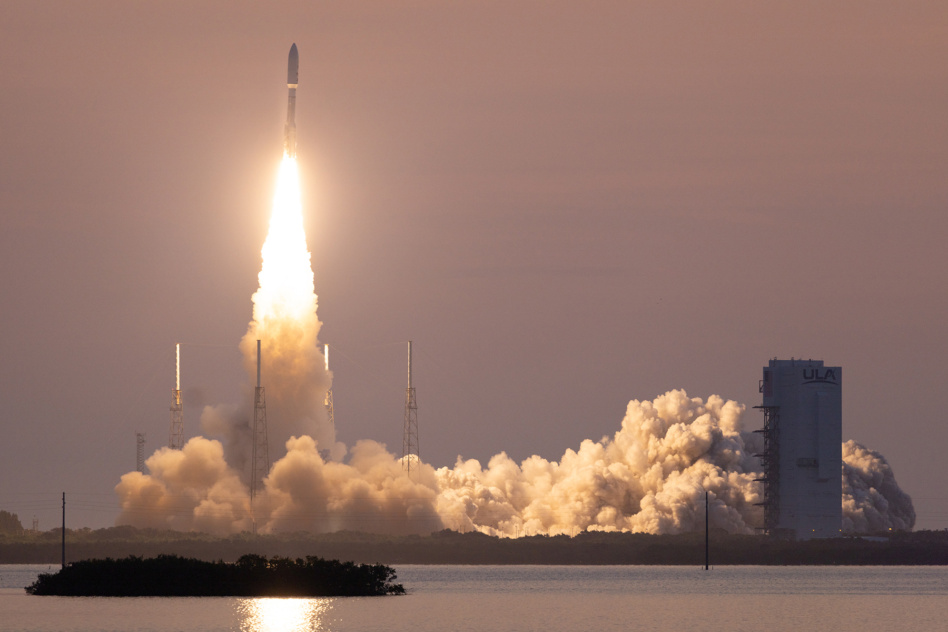
The US Space Force added $1.8B to its all-important deals with SpaceX and United Launch Alliance in July. The cash covers an additional 15 missions ordered before the Sept. 30 fiscal year deadline, Space Systems Command tells Payload.
The plus-up to the National Security Space Launch Phase 2 contract awarded in 2020 is a reminder of the military’s fast-growing demand for space access—and who is providing it.
- ULA was awarded $1.1B, for a total of $4.5B for 26 missions
- SpaceX was awarded $660M, for a total of $4B for 22 missions.
You got ratio’d: The original NSSL contract awarded 60% of launches to ULA, the Boeing/Lockheed Martin joint venture, with the other 40% headed SpaceX’s way.
At the time, Elon Musk cried foul, telling this reporter “[b]ecause their rockets are not reusable, it will become obvious over time that ULA is a complete waste of taxpayer money.”
Now, minor vindication: Thanks to the distribution of the additional launches last year, SpaceX wound up with 46% of the currently assigned missions, compared to 54% for ULA. Delays in bringing ULA’s next-generation Vulcan rocket online cost it two missions, and there’s one NRO launch to be assigned imminently, according to SSC.
Vulcanology: ULA’s first launch under this contract, USSF-51, took off yesterday. It was also the 100th and last national security payload aboard its workhorse Atlas V rocket.
That vehicle is being retired due to its dwindling stockpile of Russian-made RD-180 engines. The remaining vehicles have been tapped to launch a ViaSat spacecraft, Boeing’s Starliner, and Amazon Kuiper satellites.
To replace Atlas V, ULA needs Vulcan, which is scheduled to launch two missions under the contract before the end of the year. First, ULA needs the vehicle’s second flight—scheduled for mid-September—to secure its national security launch certification. ULA is also reportedly up for sale, and we wonder if we’ll hear more about that after this flight makes it to orbit.
Phase of Blue: Blue Origin’s New Glenn rocket is also competing in the next phase of national security launch contracts. That vehicle’s long-delayed first flight is expected later this year. The debut mission will carry a pair of Mars science spacecraft built by Rocket Lab, which announced their completion last week.
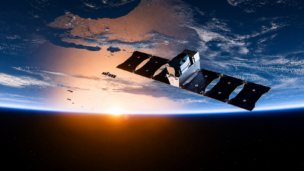
Hydrosat Unveils Osiris Constellation Ahead of 2027 Launch
Very rarely can someone offer you the best of both worlds, but Hydrosat’s newest constellation claims to do just that.
SEOPS Books Five Launches on Isar’s Spectrum Rocket
Isar Aerospace became the first European launch startup to reach orbit less than two weeks ago, and already the market is demanding more.

Viasat and Space42 Commit Up to $1B to Equatys Joint Venture
Space42 and Viasat agreed to formally establish Equatys, a shared satellite-and-ground-infrastructure company for D2D connectivity and advanced mobile satellite services.
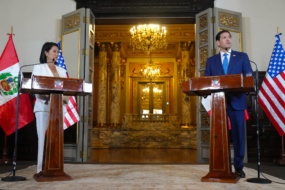
State Department Launches New Space-Diplomacy Effort
Alongside the announcement, Rubio also unveiled the SCP’s first project—a two-year, $6.5M effort to bring satellite internet to rural southern Peru.

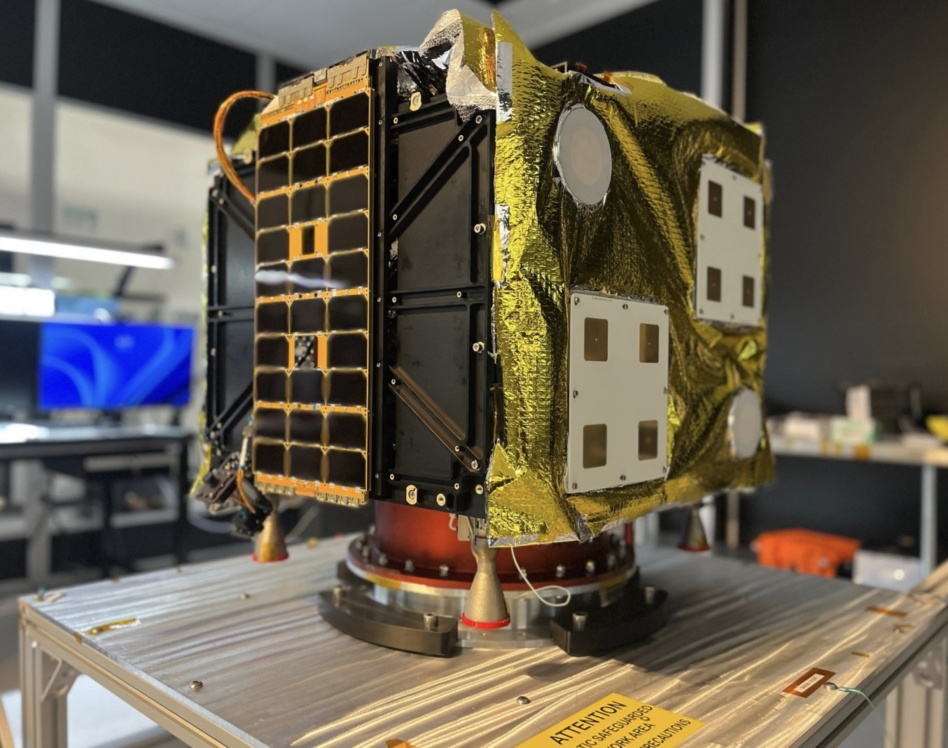
If you want something done right, do it yourself.
At least, that was the mentality in the AstroForge office in April when the company’s second spacecraft failed to pass vibration testing due to a faulty base plate provided by a third-party vendor.
With just seven months to launch, the LA-based asteroid mining company decided to toss out its mission 2 vehicle, named Odin, and build a new bus in house mostly from scratch, the company revealed Tuesday.
Keep reading