
Startups
Stories about the new players changing the space game.
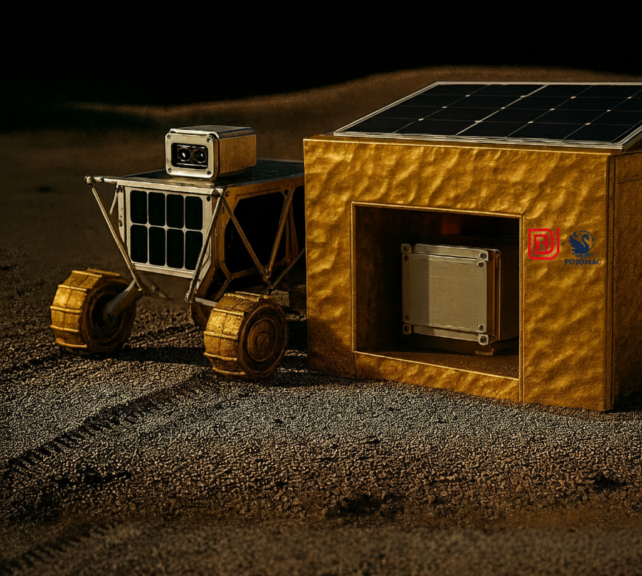
Potomac Database Systems Unveils Plans to Amass Lunar Data
There’s money to be made on the Moon, but it’s not all mining and infrastructure.
European Space Startups Jockey for ‘Infrastructure’ Financing
Europe has a growth-stage-capital problem.
Meet Blacknight Space Labs In-Orbit Infrastructure Accelerator
Blacknight Space Labs will provide companies up to $100,000 each. In addition, accelerator companies will get startup 101 education, mentorship, assistance breaking into the defense space market—and help with everything from fundraising, to navigating the government contracting system, to finding customers.
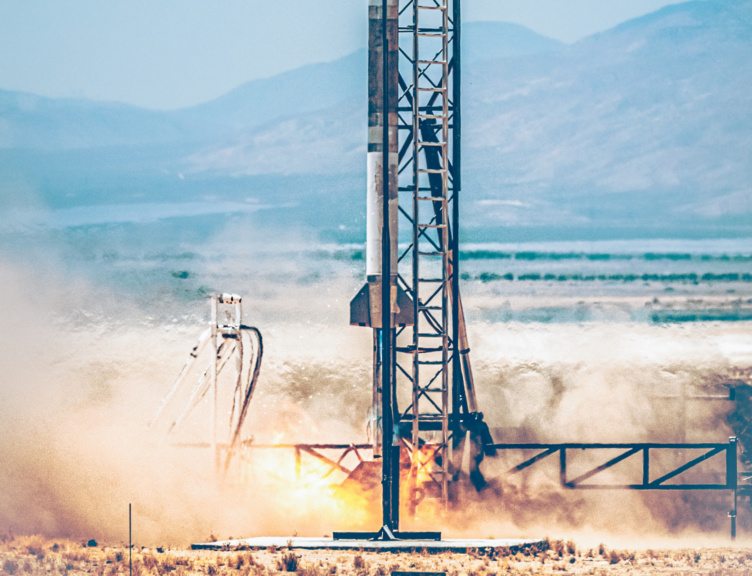

Scout Space Closes $18M Series A
Plans for expansion include building a new satellite sensor factory outside DC, and nearly doubling Scout’s headcount in the next 18 months.
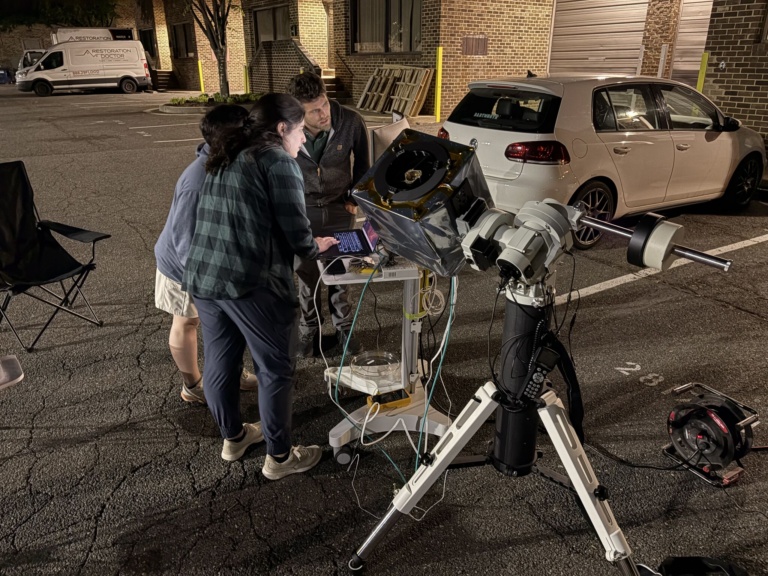
ESA Taps Edge Aerospace for Space Cloud Contract
Under the agreement, announced today, the Luxembourg-based company will develop an architecture and use-case road-map for orbital data centers.
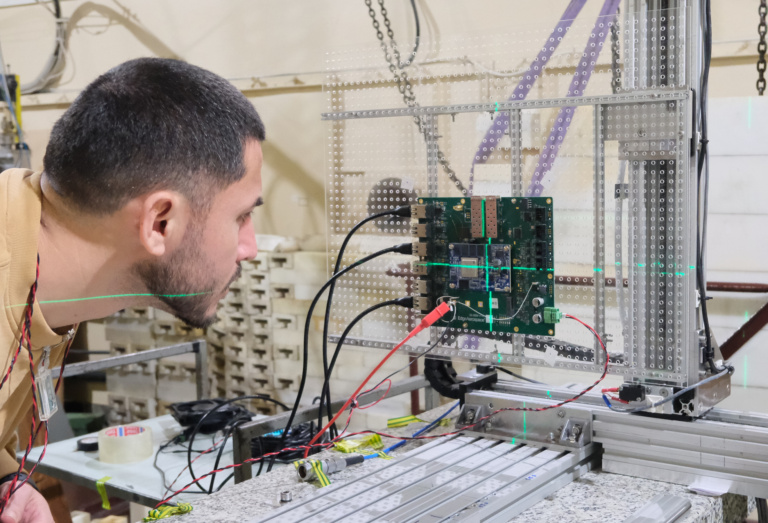
DPhi’s Second Demo Brings Compute Space to Orbit
Swiss startup DPhi Space hosted Liquid AI’s large language model to analyze an EO image—without first transmitting the image to the ground. That was the first public result of DPhi’s second mission, Clustergate-2, which rode to orbit on a Momentus Vigoride 7 sat in March. The transmission, which was announced today, signifies a new age…

Meta Secures Overview Energy Space Solar Power Capacity
Meta announced an agreement today to secure up to 1 GW of power capacity through Overview Energy’s planned solar power-beaming satellite system.

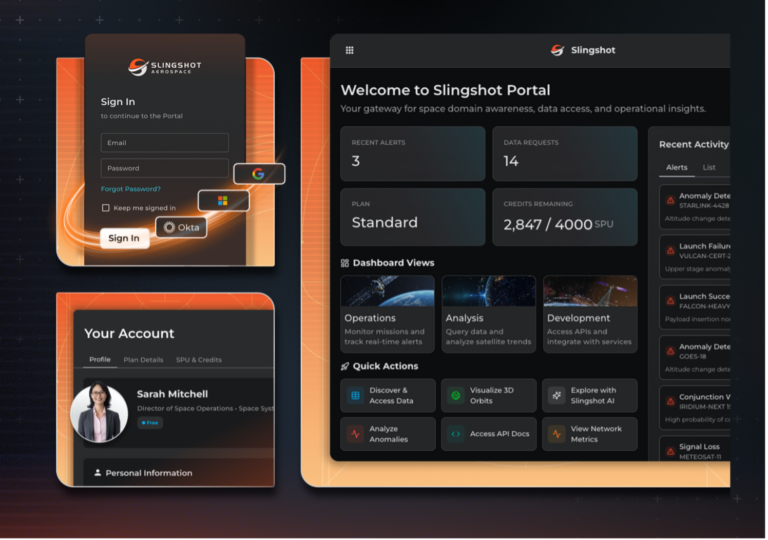
Slingshot Introduces AI-Powered Portal Platform
Slingshot Aerospace introduced a new platform today that will allow operators to spot anomalies—and make decisions—in an AI-powered, one-stop-shop.
Sophia Space and Kepler Sign Agreement to Demo ODC Tech
The agreement, announced today, is Sophia’s first opportunity to validate its orbital-data-center software in space.
Phantom Space Acquires Thermal Management Technologies
Thermal Management Technologies builds advanced satellite thermal components for in-space applications.

Exclusive: In-Orbit Manufacturing Startup Dispatch Emerges from Stealth
Dispatch emerged from stealth this week with $500,000 in funding to build an uncrewed space station that will host manufacturing infrastructure on orbit