


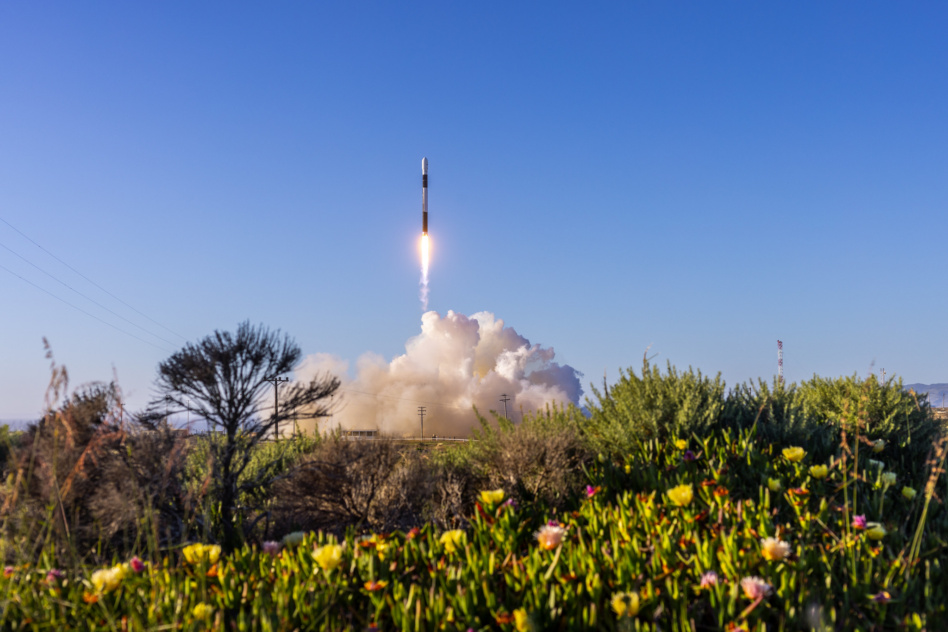
Firefly Aerospace’s ($FLY) Alpha rocket flew the first leg of a redemption arc Wednesday night.
Alpha lifted off the pad from Vandenberg Space Force base at 8:50pm ET in the company’s first fully successful flight in nearly two years. The rocket checked off multiple objectives, including:
- Deploying a demonstration payload for Lockheed Martin ($LMT);
- Relighting Alpha’s second stage engine;
- Validating two core technologies—improved avionics and thermal protection—for the rocket’s next launch, which will fly an upgraded version of Alpha
Anotha one: Alpha hasn’t had an easy road. In previous flights, the rocket suffered a range of mishaps and fell short of its intended target.
On Flight 6 in April, the company cited a “plume induced flow separation” that caused the vehicle’s first stage to break apart and damage the rocket’s second stage engine. The ten months since have given Firefly enough time to go public—and solve its technical challenges.
“Alpha Flight 7 was flawlessly executed,” CEO Jason Kim said in a statement. “We took a hard look at our processes across engineering, production, test, integration, and operations and invested the time required to make a series of improvements to ensure a higher level of quality and reliability in every Alpha we deliver and launch as we move to our Block II upgrade.”
Some color: The rocket lifted off just ahead of the Tectonic Defense Summit premier of In the Black, a documentary that followed Firefly’s rollercoaster ride of successes and failures that led to the company reaching space on its second Alpha flight in 2022. The how-could-we-have-planned-this timing meant attendees got to watch the launch on a 40-foot screen alongside many former Firefly staff, including two cofounders, just before seeing an in-depth view of the work it took to get there.
What’s next: For the next mission, Firefly is planning to launch a fully upgraded Block II, which has been designed to “enable more mass savings, optimize production, and increase reliability,” according to VP of launch Adam Oakes. Firefly has not yet announced a launch date for Flight 8, but upgrades are expected to include:
- A 7-foot increase to the rocket’s height—6 feet on the first stage, and one on the second;
- New in-house designed battery and avionics system;
- Optimized propellant tanks built to increase burn time.
Beyond Flight 8, Firefly has a lot of more launches to get to. In the company’s most recent financial filing, published in November, it revealed $1.3B in backlog—$344.8M of which was attributed to multi-launch agreements.

DOT Proposes Changes to Part 450 Licensing Rules
On Tuesday, Transportation Secretary Sean Duffy announced five proposed FAA rules aiming to streamline and modernize commercial space launch and reentry regulations.
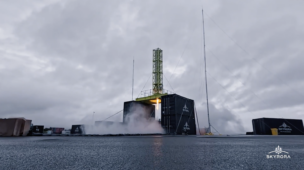
Skyrora Shifts Orbital Launch Timeline to 2030
First-mover advantage isn’t all it’s cracked up to be—at least, that’s the thought process for UK launcher Skyrora.
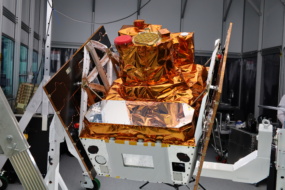
Transporter-18 Tests the Building Blocks of Orbital Data Centers
Few rideshares come with a theme, but SpaceX’s Transporter-18 had one: getting power to compute in orbit.
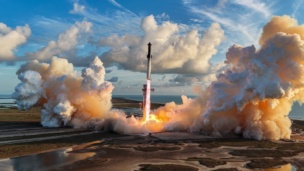
Starship Reaches Orbit on 14th Test Flight
After reaching orbit, Starship deployed 26 V3 Starlink sats over about 30 minutes using its ‘Pez dispenser’ system.

This content is restricted to subscribers
The post The Investment Theses Behind Vast and Sierra’s $500M+ Mega Rounds appeared first on Payload Pro.
Keep reading