


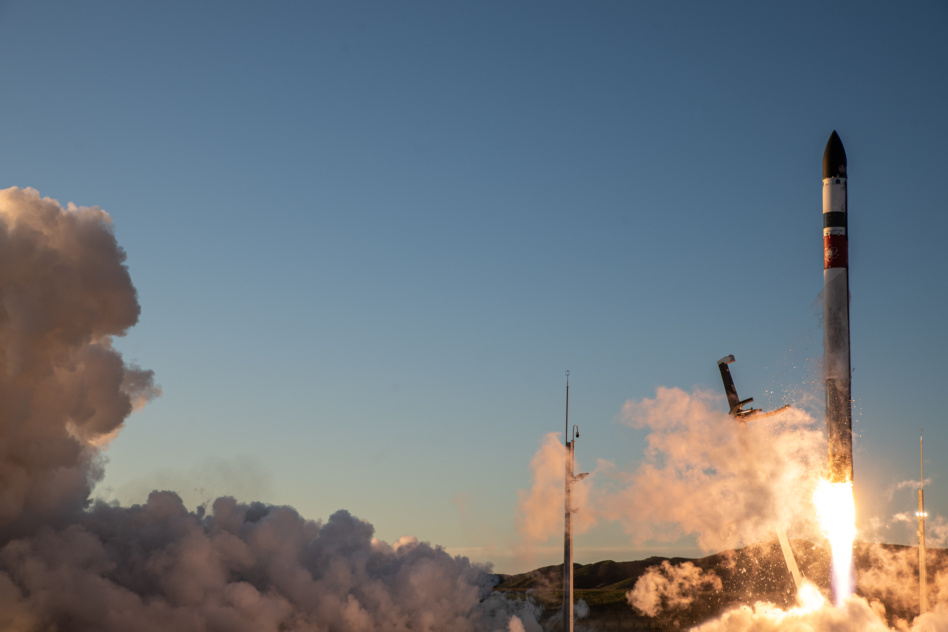
The US military’s scheme to diversify its stable of rocketmakers is running into a problem: None of them is likely to fly their rockets on time.
Space Systems Command is taking a two-pronged approach to buying launches after 2025:
- Lane 1 is for new launch vehicles that could handle low-risk work.
- Lane 2 is for three established rockets that can perform the full range of national security launches.
The first awards are expected to be announced this spring.
MIA: The US launchers widely seen as aiming for Lane 1—Rocket Lab, Relativity Space, Firefly, and ABL Space Systems—are unlikely to reach orbit by the Dec. 15 deadline to qualify for this year’s batch of awards. The closest is Rocket Lab, which expects its Neutron rocket to be “on the pad” by the end of the year, according to a spokesperson.
“Space Force had a very clear requirement not to propose vehicles to Lane 1 without a credible path to first flight by [Dec.15],” Dan Piemont, president of ABL Space Systems, told Payload in an email. “The RS1 configuration ABL plans to bid for NSSL Lane 1 isn’t quite ready to fly this year, so despite our excitement for the program, we did not bid. We plan to participate in a future on-ramp.”
Relativity, Firefly, and ABL all confirmed that they had not bid on the Lane 1 contracts. Rocket Lab declined to comment.
Guess who bid: SpaceX, ULA and Blue Origin all bid on the Lane 1 contracts intended for unproven launchers, as well as Lane 2, a Congressional source told Payload. (Blue, which also bid on the previous round of NSSL contracts, expects its New Glenn rocket to fly this year, but you know how debut rocket launches can slip.)
That makes sense, since they can likely do the job—but it’s not exactly what lawmakers or the Pentagon necessarily intended, particularly following a prolonged fight about whether Lane 2 should include two or three different providers to leave room for Blue.
Do-over: Companies that miss this year’s Lane 1 deadline will have another bite at the apple on an annual basis, per Col. Doug Pentecost at SSC. “[D]uring annual on-ramp opportunities, launch providers must meet the same criteria as stated in the original Lane 1 RFP (e.g., be able to lift 15,000 lbs to Low Earth Orbit, have a credible schedule showing a first flight within 12 months of proposal submittal, and be ISO9001 certified).”
Astra Targets Golden Dome With Small Rockets, Says CEO Chris Kemp
“We’re going to do target practice. We’re going to make the clay-pigeon rocket,” Kemp said. “That’s great, because that will drive scale for us…and allow us to bring our cost down for commercial customers, and other government customers.”

The State of Launch 2026
“You look at things like Golden Dome. There were a couple of capability gates there where you had to demonstrate capability by deadlines in order to be eligible to continue to compete,” Brian Rogers, Rocket Lab’s VP of launch, told Payload. “The constraints around launch can pick winners and losers there if you don’t have a way to get to space by a deadline.”
Transporter-16 Sends 119 Payloads to Orbit
The latest cargo train to orbit has left the station.

HyImpulse Signs Launch Agreement with SaxaVord
The second suborbital flight of HyImpulse’s SR75 is expected to lift off from SaxaVord no earlier than Q3 2026.

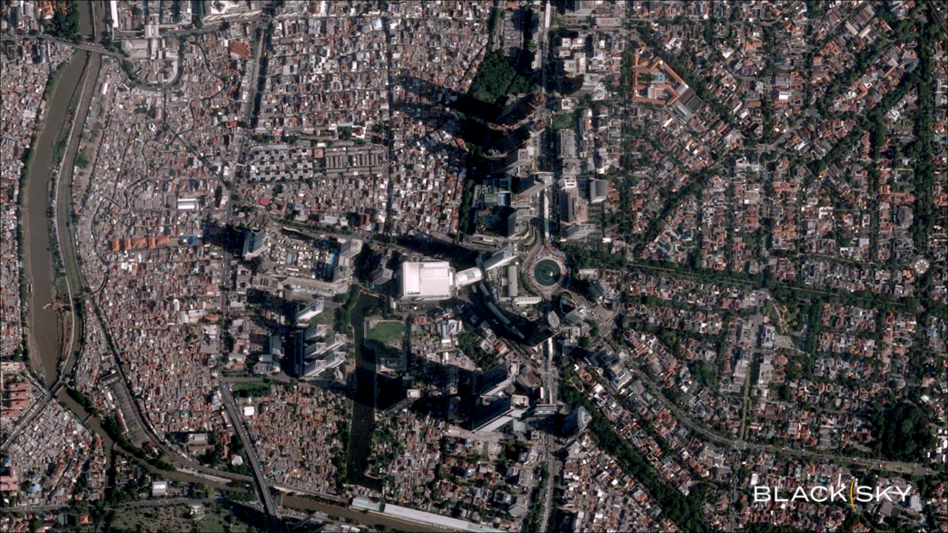
BlackSky inked ~$50M-worth of contracts with the Indonesian Ministry of Defense to provide the agency access to the company’s commercial space-based intelligence, with plans to build a sovereign capability for the country down the road.
“With this new model, customers no longer need to spend billions of dollars and wait five to 10 years to build an operating capability,” CEO Brian O’Toole told Payload. “They can have it now.”
More details: Under the contracts, the ministry will immediately be able to task BlackSky’s commercial sats, and have access to its trove of commercial data. O’Toole said Indonesian officials are already getting trained on how to use the software system.
Keep reading