


ESA ended 2025 with more money than ever, securing record commitments totaling €22B+ from member states at the agency’s ministerial meeting in November. Now, the real work begins.
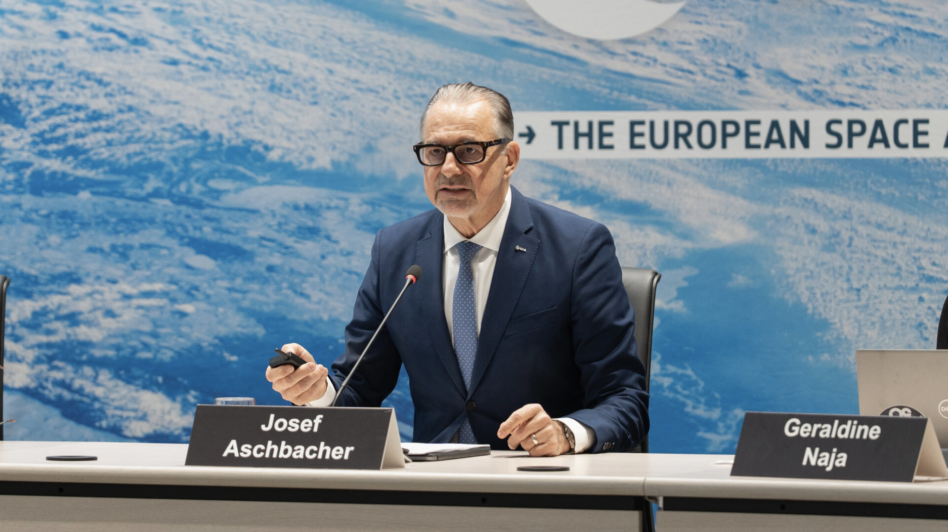
In a press conference at ESA HQ in Paris yesterday, ESA Director General Josef Aschbacher laid out the plan for the year ahead, detailing how the agency plans to allocate its €8.26B budget for 2026.
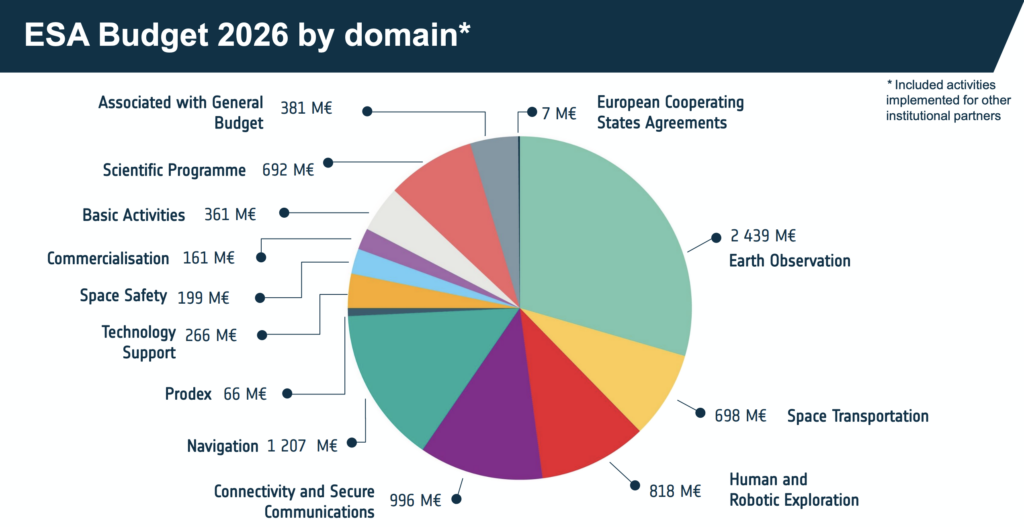
By the numbers: Sectors earning the largest shares of the year’s budget include:
- €2.44B toward EO activities, including Copernicus and ERS;
- €1.21B toward the navigation program, including Galileo, Celeste, NAVISP and FutureNAV;
- €996M for connectivity and secure comms, including ARTES;
- €818M for human and robotic exploration;
- €698M for space transportation—including increasing the flight cadence of Arianespace’s Ariane 6 and Avio’s Vega-C—as well as the European Launcher Challenge, which is expected to move to Phase 2 this year;
- €692M for the scientific program.
As expected, a larger budget means more activity, and there’s no shortage of milestones to look forward to this year.
- In Q1, Ariane 64 is expected to launch for the first time, Italy’s and ESA’s Space Rider is planning its first drop test, and ArianeGroup’s Themis is aiming to fly its first hop test from the Esrange Space Center in Sweden.
- In Q2, ESA is planning to launch its SMILE spacecraft to study the solar wind on a Vega-C rocket from French Guiana, Cyprus is planning to finalize its ESA associate membership, and Flyeye-1 (ESA’s next telescope hunting for near-Earth objects) is expected to come online.
- In Q3, the agency aims to launch spacecraft designed for a range of missions, including MTG-I2 (weather forecasting), Sentinel 3C (EO), FLEX (studying plant health) , and MetOp-SG B1 (meteorology).
- And in Q4, ESA plans to release data from Euclid and Gaia, launch Galileo L15, place BepiColombo in orbit around Mercury, and have its Hera spacecraft arrive at the Didymos and Dimorphos asteroids.
The American question: While the press conference focused mainly on the agency’s plans to grow the European space program in the year ahead, questions about its relationship with the agency across the pond were unavoidable.
This week, US lawmakers put forward a bill that would cancel the Mars Sample Return initiative, which had envisioned a European spacecraft playing a critical role in getting the samples back to Earth. ESA officials confirmed yesterday that there’s not much they can do about it.
“Mars Sample Return is currently not planned to be continued. It’s a fact. It’s also a fact that Europe cannot afford, on its own, a full Mars sample return mission, and therefore we are in the process of reorienting our contributions,” Daniel Neuenschwander, director of ESA’s human and robotic exploration directorate, said at the conference.
Neuenschwander said the agency is exploring repurposing its MSR hardware around a new Mars atmospheric orbiter, to inform future landings on the Red Planet.
As for other exploration missions on the horizon, Aschbacher confirmed that NASA remains committed to both the (delayed) ExoMars Rosalind Franklin rover mission to Mars in 2028, as well as the Gateway lunar space station, which includes the Lunar I-Hab launching with Artemis IV.
Aschbacher also confirmed that he’s arranging his first meeting with new NASA Administrator Jared Isaacman to discuss continued collaboration efforts.
Artemis II Gives Airbus Hope For European Spaceflight
At the heart of Artemis II’s Orion spacecraft is the European Service Module (ESM), built by Airbus Defence and Space in Bremen, Germany, on behalf of ESA.
Czech Radiation Chips on Artemis II Bring ISS Experience
With the sun at solar maximum, HERA serves as an instant warning system if a solar flare emerges.
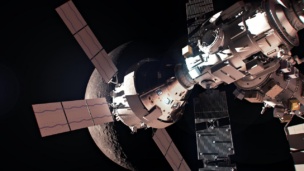
With Artemis Changes, Europe is Left Holding the Bag
ESA and European space primes were developing many of the key components of the planned lunar orbiting station.
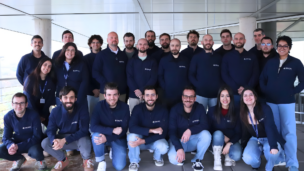
Arkadia Space Secures €14.5M to Develop New Biprop Engine
Spanish propulsion startup Arkadia Space just secured a stamp of approval from the European Investment Council.

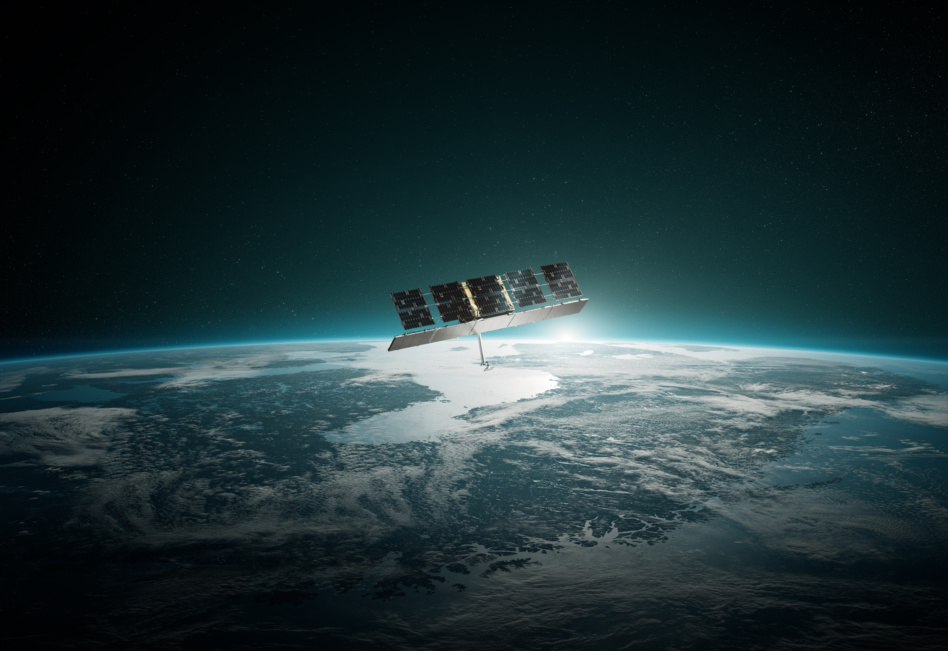
2025 was a year that reinforced a simple truth: The orbital economy is no longer an experiment. It’s accelerating, it’s hardware-led, it’s strategically important, and it’s increasingly shaped by venture-backed companies translating technical ambition into commercial and geopolitical reality.
Rear view: The year delivered a range of SpaceTech stories underlining the sector’s momentum towards a multi-trillion-dollar industry.
Looking forward: 2026 has a chance to become something even bigger—an inflection point where commercial expansion, AI integration, and sovereign partnerships could collide to redefine what the next decade of space looks like. Here are the Top 5 SpaceTech trends to watch in the new year:
Keep reading