


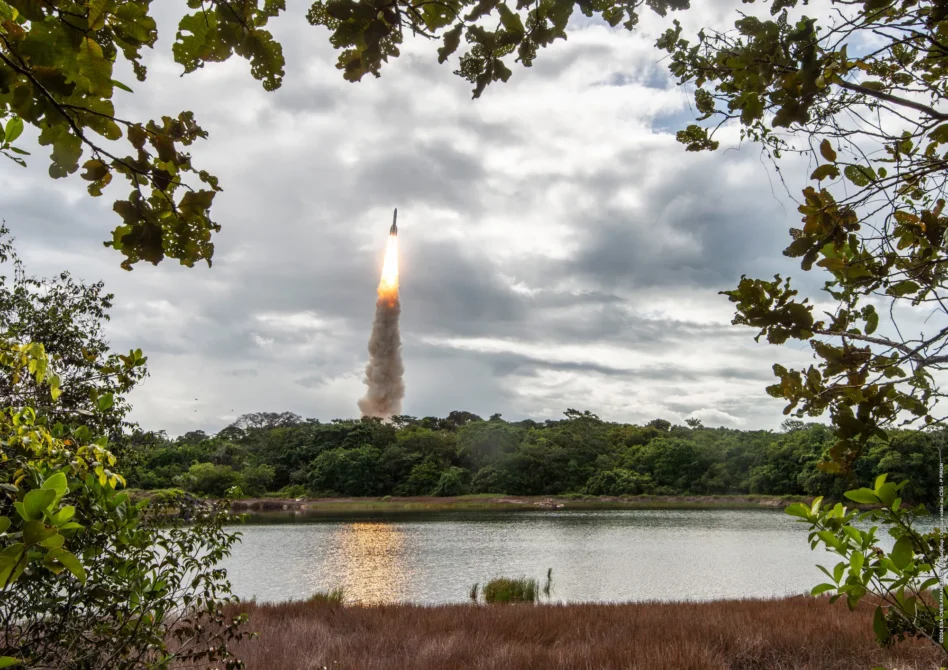
Europe is hustling to stand up new sovereign launch capabilities, but it’s looking like many first flights originally aiming to fly in 2025 will spend New Year’s at home.
Last week, Arianespace announced that its Ariane 64 rocket, which was expected to launch for the first time this year, will have to wait until 2026. Arianespace did not share why the first flight was pushed back.
The payloads on Arianespace’s manifest that are facing a delay include a mission for Amazon’s Kuiper constellation. Amazon has contracted 18 missions with Arianespace, 16 of which will fly on the upgraded Ariane 64 vehicle.
Tale as old as time: With just 10 weeks left in the year, it’s no surprise that many of the companies hoping to break the Kármán Line in 2025 have adjusted expectations.
In January, Payload counted as many as four European launchers aiming to notch major milestone flights this year, including Maiaspace, Orbex, Skyrora, and Rocket Factory Augsburg.
- Maiaspace now plans to fly its first Maia launch vehicle from the Guiana Space Center in 2026.
- Orbex switched launch operations from northern Scotland to SaxaVord Spaceport at the end of 2024, to increase the chances of an inaugural 2025 launch of its Prime rocket. The company, however, recently delayed launch to 2026 while it awaits its license from the UK Civil Aviation Authority (CAA).
- Skyrora, which received a launch license from the CAA in August to fly its Skylark L suborbital rocket, told Payload the flight—the rocket’s second since a test launch in 2022—will likely take place next spring.
- Rocket Factory Augsburg received its CAA license in January to launch its RFA One rocket from SaxaVord for the first time in 2025, but the company has not provided an update on the timeline.
Big picture: While new rocket-line delays are common across the space industry, setbacks in Europe have been widespread and indiscriminate. These delays have affected companies of all sizes, across borders, and for seemingly any reason—regulatory, technical, or otherwise.
Despite its best efforts, Europe has hosted a tiny fraction of the world’s launches this decade. Many in the region have their fingers crossed that 2026 will be a different story.
PAVE Space Raises $40M for In-Space Propulsion Tech
PAVE’s propulsion systems rely on a storable rocket bipropellant, which aims to make launch operations simpler and more cost-effective, compared with cryogenic fuels.

Inside Austria’s Small But Mighty Space Ecosystem
Austria’s space industry is in the midst of a renaissance, with bigger funding deals and more startup activity.

HyImpulse Signs Launch Agreement with SaxaVord
The second suborbital flight of HyImpulse’s SR75 is expected to lift off from SaxaVord no earlier than Q3 2026.
Modified Vulcan Expected to Launch This Summer
“There were some changes that we actually had in the works before the anomaly, just to improve margins in the nozzle and solid rocket booster,” Elbon said. “So we’re accelerating those, and focusing on getting those into place sooner.”

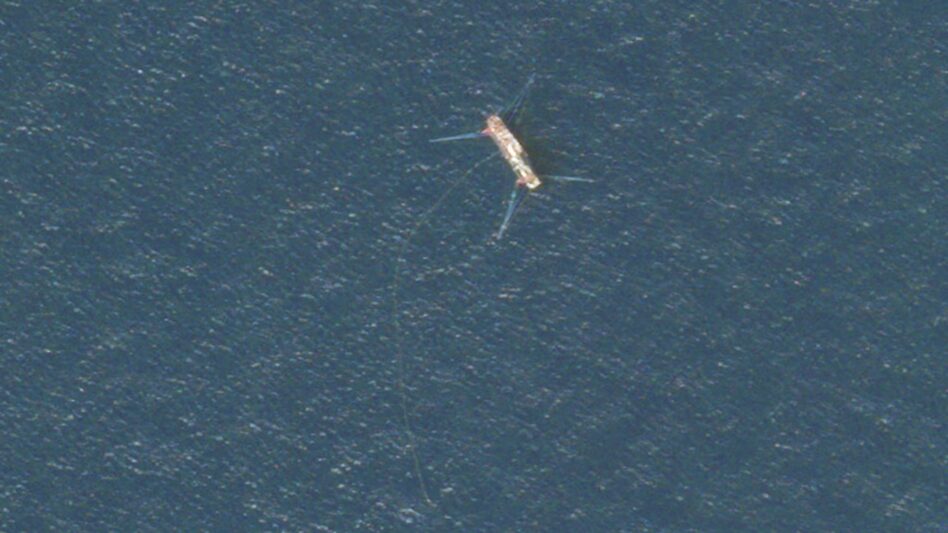
Planet’s ($PL) eyes in space are constantly keeping watch over the seas, and the military is looking to increase the ways it takes advantage.
On Friday, the US National Geospatial-Intelligence Agency (NGA), which supports both DoD and the intelligence community with imagery collected in orbit, awarded Planet Labs a $12.8M contract through the Luno B program.
“In leveraging our PlanetScope constellation, which provides unparalleled broad area coverage of high interest ocean areas with near-daily revisit rates, users will continue to have the critical, relevant data they need to act quickly and decisively to help maintain maritime security around the world,” Planet’s VP of global defense and intelligence, Jon Powers, said in a release.
Keep reading