


Add astronaut to the long list of jobs at risk of being displaced by AI.
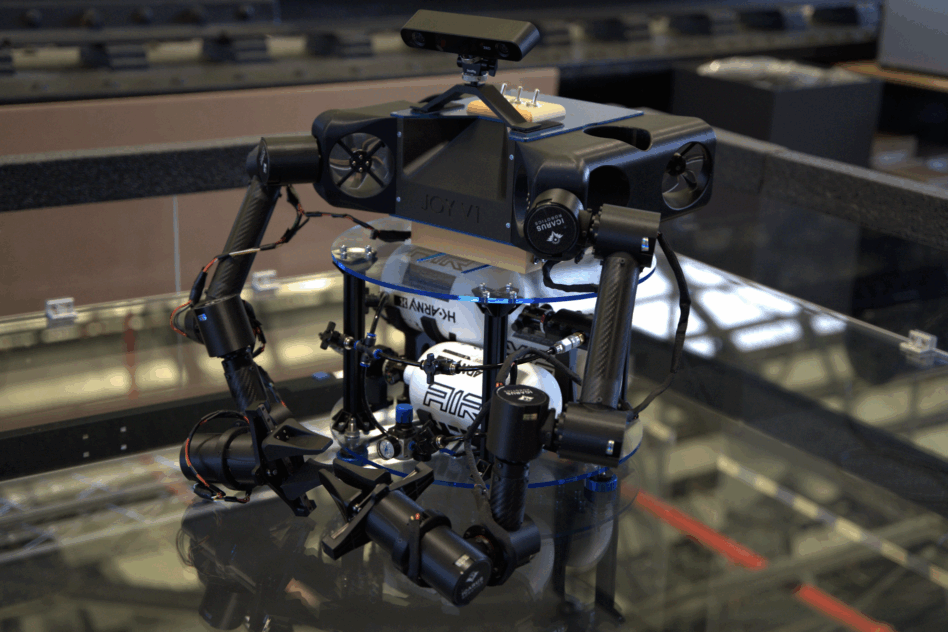
Icarus Robotics, a New York startup that raised a $6.1M seed round, plans to put AI-controlled worker drones on future commercial space stations to handle many of the tasks that take up an astronaut’s day-to-day, including cargo handling, equipment checks, and, eventually, scientific experiments.
The idea is not necessarily to replace astronauts with autonomous robots, but to take on some of the workload so astronauts can spend their valuable time in orbit focusing on science and discovery that can only be done by people.
Hal’s it going? Icarus was founded in 2024 by Jamie Palmer and Ethan Barajas who met as members of the Entrepreneurs First VC fund.
- Barajas brings the space expertise, having worked on an autonomous plant growth lab that was sent to the ISS at 17, and lunar rovers during a JPL work experience while studying at Cal Tech.
- Palmer brings the robotics background, with experience building robots for the medical field during Covid.
Together the two spotted a massive problem with the economics of astronauts’ workloads: Extremely well trained and highly paid astronauts are spending an inordinate amount of time on mundane tasks instead of on groundbreaking science.
Icarus believes that when the ISS is decommissioned in the coming years, commercial space stations will have a harder time justifying astronauts spending their valuable time handling cargo and performing maintenance.
“The way that the commercial stations think about our capabilities is that this is revenue generating,” Barajas told Payload. “It’s creating new science that would have never been able to be done before.”
Remote working: Icarus won’t immediately leap to AI-powered worker drones. The company has partnered with Voyager Technologies to send a prototype remotely-piloted robot to the ISS for a year-long residency to begin building a dataset to train future AI-powered models.
“Space is one of those environments where it truly costs $130,000 an hour to keep an astronaut alive,” Barajas told Payload. “When you have such a large margin, you can actually afford to have a tele operator, very skilled operator on Earth paid $130,000 a year…to pilot this robot the entire time that we’re on station.”
The robot is built a bit like an underwater drone. It will be able to move around the space station using fan-powered propulsion, and has two arms to interact with the environment.
The plan: Icarus’ long term vision is to have its AI-powered robots working everywhere in space.
For example, Vast’s plan for its Haven 1 space station is relatively short crewed flights—meaningit will sit empty for the majority of its time on orbit. Icarus’ idea is to have its robots on board the station working hand-in-hand with astronauts when they’re present, and keeping the science progressing when the station is uncrewed.
If all goes well, Icarus envisions scenarios where its robots are flying on multiple commercial space stations. The founders told Payload that future iterations could include extra-vehicular capabilities to handle tasks in the vacuum of space, and on the surface of the Moon and Mars.
Phantom Space Acquires Thermal Management Technologies
Thermal Management Technologies builds advanced satellite thermal components for in-space applications.
Exclusive: In-Orbit Manufacturing Startup Dispatch Emerges from Stealth
Dispatch emerged from stealth this week with $500,000 in funding to build an uncrewed space station that will host manufacturing infrastructure on orbit
Voyager and Icarus Team Up on ISS Robotics Demo
The pages of the ISS manifest are starting to look a lot like those of a sci-fi novel.
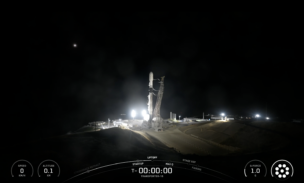
Transporter-16 Sends 119 Payloads to Orbit
The latest cargo train to orbit has left the station.
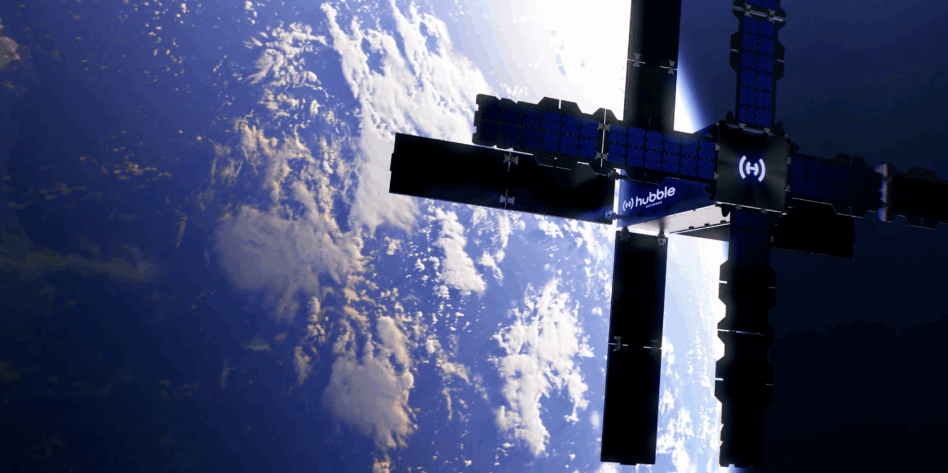
Hubble Network, the startup building a global constellation of Bluetooth tracking satellites, announced a $70M Series B today.
The round brings Hubble’s total funding to $100M, and includes funds from Y Combinator, Ryan Swagar and Tom Gonser from DocuSign, Mike Farley from Tile, Marc Weiser from RPM Ventures, and Tuff Yen from Seraph Group.
How it works: Hubble’s vision for its Bluetooth Finding Network was validated in 2024 when the company first demonstrated the ability to detect a Bluetooth signal from space.
Keep reading