


Artemis II is due to splash down in the Pacific Ocean today.
After completing the longest journey in human history, and sharing a capsule roughly the size of a camper van for 10 days, the four-person crew is no doubt looking forward to stretching their legs and breathing fresh air again.
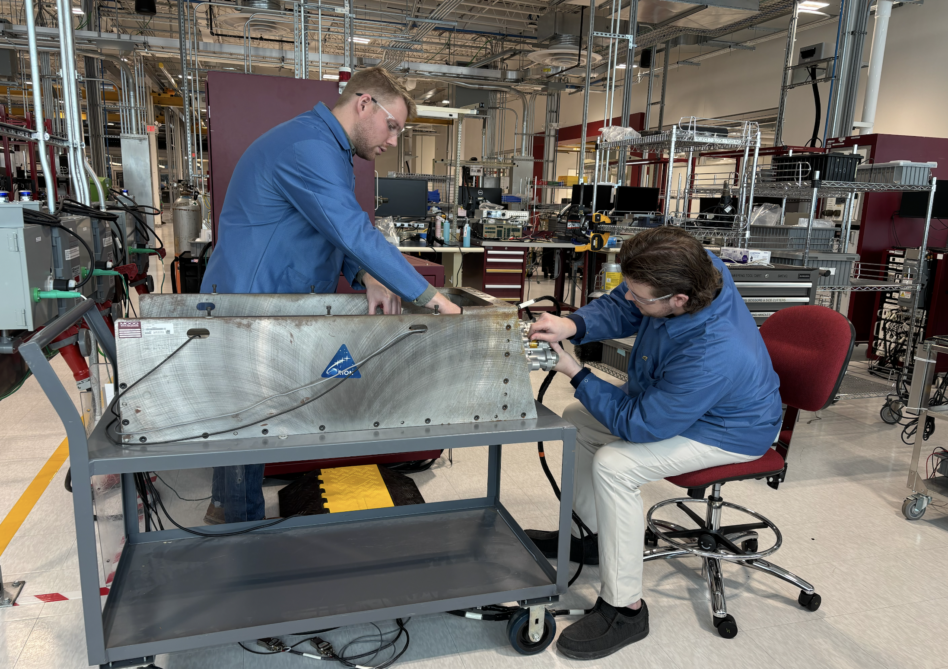
Standing between them and the ocean breeze, however, is a ~700 pound hatch that will need to be opened—with the help of a counterbalance actuator system built by Moog Inc.
Top down: “Moog supplies more than 100 different pieces of hardware that go from tip to tail of the rocket, [and] into the Orion system,” Steve Witkowski, Moog’s director of space actuation and avionics told Payload. These systems include:
- Thrust vector control systems, which helped steer the Space Launch System rocket during liftoff;
- Actuators for the launch abort system;
- Actuation controls for the RL-10 engine in the upper stage;
- Propulsion and environmental-control hardware on the Orion spacecraft;
- Mobile launch-pad actuators that retract access walkways and umbilical connections at liftoff.
Past, present, and future: Moog has worked as a sub-tier supplier to many of the Artemis primes—including Boeing, Northrop Grumman, Lockheed Martin, RTX subsidiary Collins Aerospace, and ULA—in part because of the companies incredibly long, and storied history in crewed spaceflight.
Moog Inc. was founded in 1950 after founder Bill Moog invented and patented a device using hydraulic pressure for precise actuators. Since then, the company has grown to become a major supplier of control and actuation systems in space, in the air, and on the ground.
The company has doubled its actuator business in the past five years, according to Witkowski, and is building a new facility in New York to ramp up Moog’s actuation production for space missions. The company is also planning to supply a new electromechanical actuation system that will assist with the Artemis III launch.
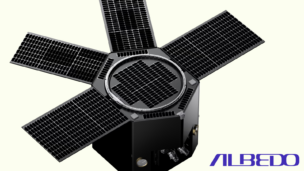
Albedo Ratchets Up the Power for its Second VLEO Flight
Albedo announced a new VLEO capable satellite bus today that’s aiming to fly the company’s second orbital mission in 2027.
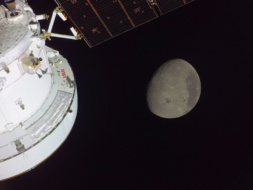
Artemis II Gives Airbus Hope For European Spaceflight
At the heart of Artemis II’s Orion spacecraft is the European Service Module (ESM), built by Airbus Defence and Space in Bremen, Germany, on behalf of ESA.
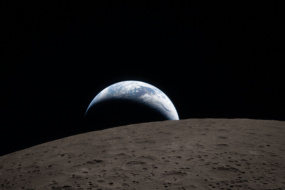
Czech Radiation Chips on Artemis II Bring ISS Experience
With the sun at solar maximum, HERA serves as an instant warning system if a solar flare emerges.
How Earthlings Got Views of the Lunar Fly By
Redwire has built 11 cameras that are installed around the inside and outside of the Orion capsule, Kaylee Geidel, a senior systems engineer at Redwire, told Payload.
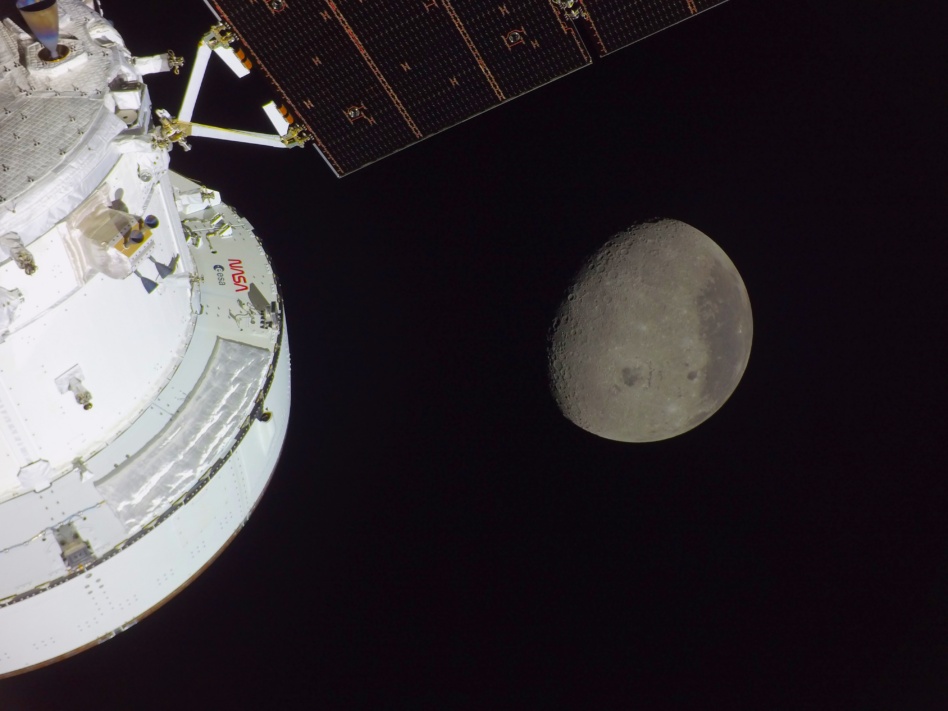
Artemis II is at the tail end of its 10-day journey around the Moon, capping off a mission that has highlighted the technical prowess of hundreds of space industry suppliers from around the world.
At the heart of Artemis II’s Orion spacecraft, which is expected to splash down in the Pacific Ocean today, is the European Service Module (ESM), built by Airbus Defence and Space in Bremen, Germany, on behalf of ESA.
The ESM housed the power, thermal control, and life support systems that kept the four-person crew alive. The module also housed the main engine and eight secondary engines from Aerojet Rocketdyne, and 24 of Airbus’ own maneuvering thrusters, which together have kept the mission on track with minimal corrective measures.
Keep reading