


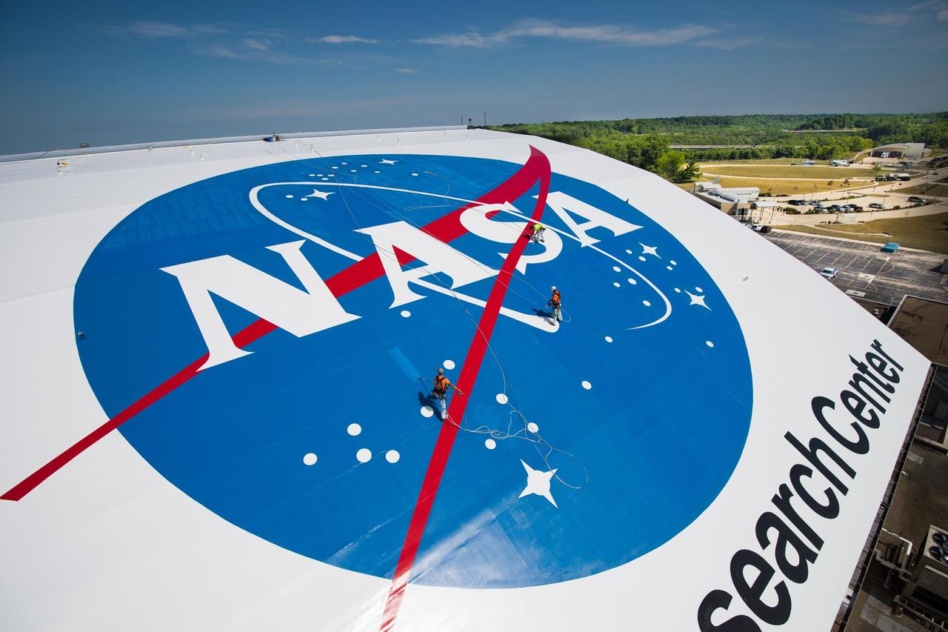
WASHINGTON—NASA Administrator Jared Isaacman had a vision for a robust, commercially driven lunar economy, supported by surface infrastructure. Now, he also has a plan.
Isaacman and other NASA leaders announced a number of head-spinning changes to the American-led lunar program on Tuesday, during a full-day event at NASA HQ. The event, dubbed Ignition, had NASA officials talking directly to an auditorium full of industry and international partners who spilled out into overflow rooms.
Each of these changes could be a full story in themselves, and we’ll dig in more in the coming days and weeks. But here’s a snapshot of what was announced:
Biannual Moon trips: The US will launch crewed lunar missions twice a year, starting with Artemis VI. Those missions will be launched by at least two commercial providers, opening up the agency to lunar transport options other than SLS.
“America will never again give up the Moon,” Isaacman said.
RIP Gateway: NASA is officially pausing its Moon-orbiting habitat to focus on surface infrastructure. The agency is working with international partners to repurpose their contributions to Gateway for a Moon base. Some key pieces being built outside the US include:
- Canada’s Canadarm3 robotic arm, built by MDA Space;
- The UAE-built airlock;
- ESA-led modules for habitation and refueling;
- Life-support systems and other capabilities from Japan.
Carlos Garcia-Galan—the former deputy manager of the Gateway program—is now the program executive for NASA’s Moon Base program. He said the rest of the team working on Gateway will also pivot to work on the lunar base.
Moon Base: NASA intends to build the Moon base in three phases, according to Garcia-Galan:
- Phase 1, which begins now, will focus on building regular lunar access. This includes two uncrewed CLPS launches this year, ramping up to 10 launches in 2027 and 12 in 2028. The once-canceled VIPER mission to hunt for water will also finally get its trip to the Moon in 2027, aboard a Blue Origin launch.
- Phase 2 will begin in 2029, with an aim to establish an initial operating capability on the lunar south pole. This phase is expected to include expanded use of solar power stations and nuclear power demos, to help tech survive the night. It will also include MoonFall, a fleet of four drones designed to scout hard-to-reach areas with 150-second long “hops”.
- Phase 3, which is set to begin in 2032, is expected to establish a “semi-permanent” crewed presence. The goal is to allow for long-duration human stays on the lunar surface, routine logistics deliveries (including an expanded program for larger CLPS landers) to support 28-day missions, and activities to build infrastructure—such as landing pads, or roads with regolith.
The program is expected to cost $20B in the first two phases. But Isaacman said he believes NASA can afford it without major cuts to other programs, emphasizing that NASA has struggled to prioritize how it spends, but doesn’t have a top line problem.
And beyond: NASA isn’t forgetting about Mars amid its focus on the Moon. The agency is planning to launch Space Reactor-1 Freedom to the Red Planet by the end of 2028. The mission is intended to:
- Demonstrate fission power in space;
- Deliver the Skyfall mission to Mars—sending a fleet of Ingenuity-class helicopters free to explore Mars.
Officials added at an end-of-day press conference that the mission could also drop Skyfall off at Mars, but continue its own mission deeper into the solar system.
“This pathfinder effort will open opportunities for commercial fission power providers, be that propulsion surface applications, and ultimately unlock the capabilities necessary for sustained exploration beyond the Moon,” Isaacman said.
The future of CLD: Though the day focused mostly on NASA’s return to the Moon, officials also announced new plans for America’s future in LEO. NASA Associate Administrator Amit Kshatriya bluntly indicated the market for private space stations hasn’t materialized, and NASA can’t fully fund a commercial station—so the agency is moving away from the CLD program in its current form.
“We can’t entertain fiction on what that approach may be; it has to be grounded in reality,” he Kshatriya said, highlighting the technical challenges and cost of building and maintaining the ISS as the example to pull from. “An operational campaign of this complexity, that took the allied governments of the world 30 years to maintain, is not something that exists native in industry.”
“In the absence of a mature market and the current budget we’ve been allocated, we cannot fund a path to two stations. It’s a challenge to even fund one,” he continued. “We cannot continue to maintain the illusion that the path that we’re on is going to close.”
Instead, the agency plans to allow companies to dock their own private modules with a core module that will be added to the ISS. If at some point there’s a business model for a fully commercial space station, those modules will be able to separate and operate as standalones for their respective companies.
What’s next: NASA’s plan will require commercial companies to get onboard. NASA is making changes to several programs, including CLPS and its Lunar Terrain Vehicle. Isaacman committed to NASA working with industry—including supporting the supply chain, and embedding subject matter experts at commercial partners—but also telegraphed that there will be little tolerance for falling behind.
“To be very clear, we are not going to sit idly by when schedules slip or budgets are exceeded,” he said. “Expect uncomfortable action if that is what it takes, because the public has invested over $100 billion, and has been very patient with respect to America’s return to the Moon. Expectations are rightfully very high.”
Companies will have a chance to ask questions and get more input from NASA on next steps during an industry day at the agency on Wednesday.
Isaacman Plans Monthly Uncrewed Lunar Landings In 2027
“We are going to plus up for Moon base construction in a huge way,” said during an interview with Spaceflight Now that was released late Friday night.
NASA Pushes Crewed Moon Landing to Artemis IV
The US path to the Moon shifted significantly on Friday, in what NASA Administrator Jared Isaacman called the “only way forward” for the American lunar program. Hit the gas: Isaacman announced multiple changes to the program, including: Timeline: In light of these structural changes, Isaacman announced a new timeline for the American return to the…
NASA: Agency ‘Failed’ Starliner Astronauts
“The most troubling failure…is not hardware. It is decision-making and leadership that, if left unchecked, could create a culture incompatible with human spaceflight,” NASA Administrator Jared Isaacman said during a livestreamed press conference.
Vast Wins Its First Private Astronaut Mission to ISS
The previous five missions have all gone to competitor Axiom, which (like Vast) is building its own private station vying to replace the ISS.
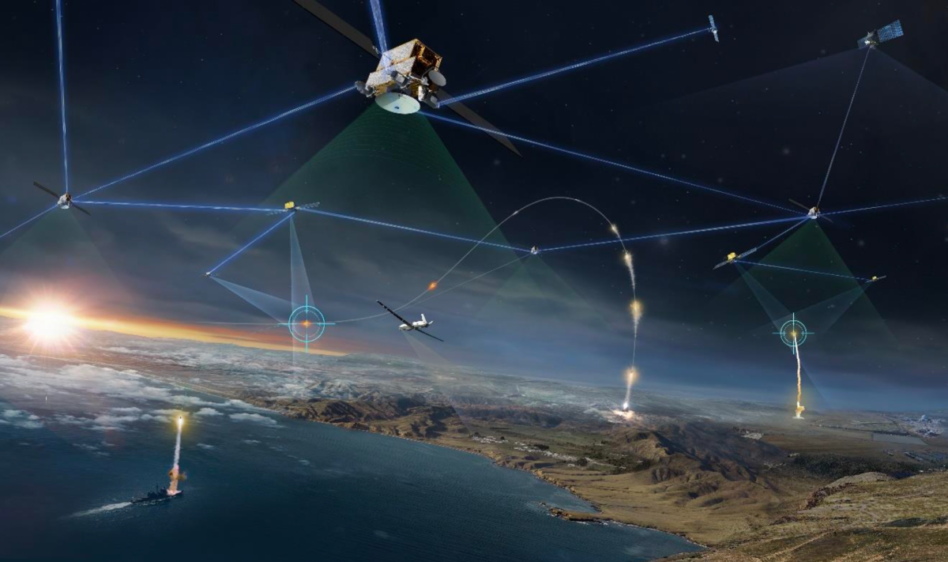
WASHINGTON—It’s been about six months since the SDA launched its first operational tranche of satellites—but troops still aren’t benefiting from the better comms tech because of a series of small issues that forced the agency to take a “strategic pause,” SDA Acting Director Gurpartap “GP” Sandhoo told Payload.
Sandhoo chatted with Payload on the sidelines of the Satellite conference in DC about the delay facing the agency, scaling challenges for the SDA’s planned constellation, and how the SDA can remain fast-moving as it celebrates its seventh birthday.
This transcript has been edited for length and clarity.
Keep reading