

New Partnership Aims to Make Semiconductors in Space
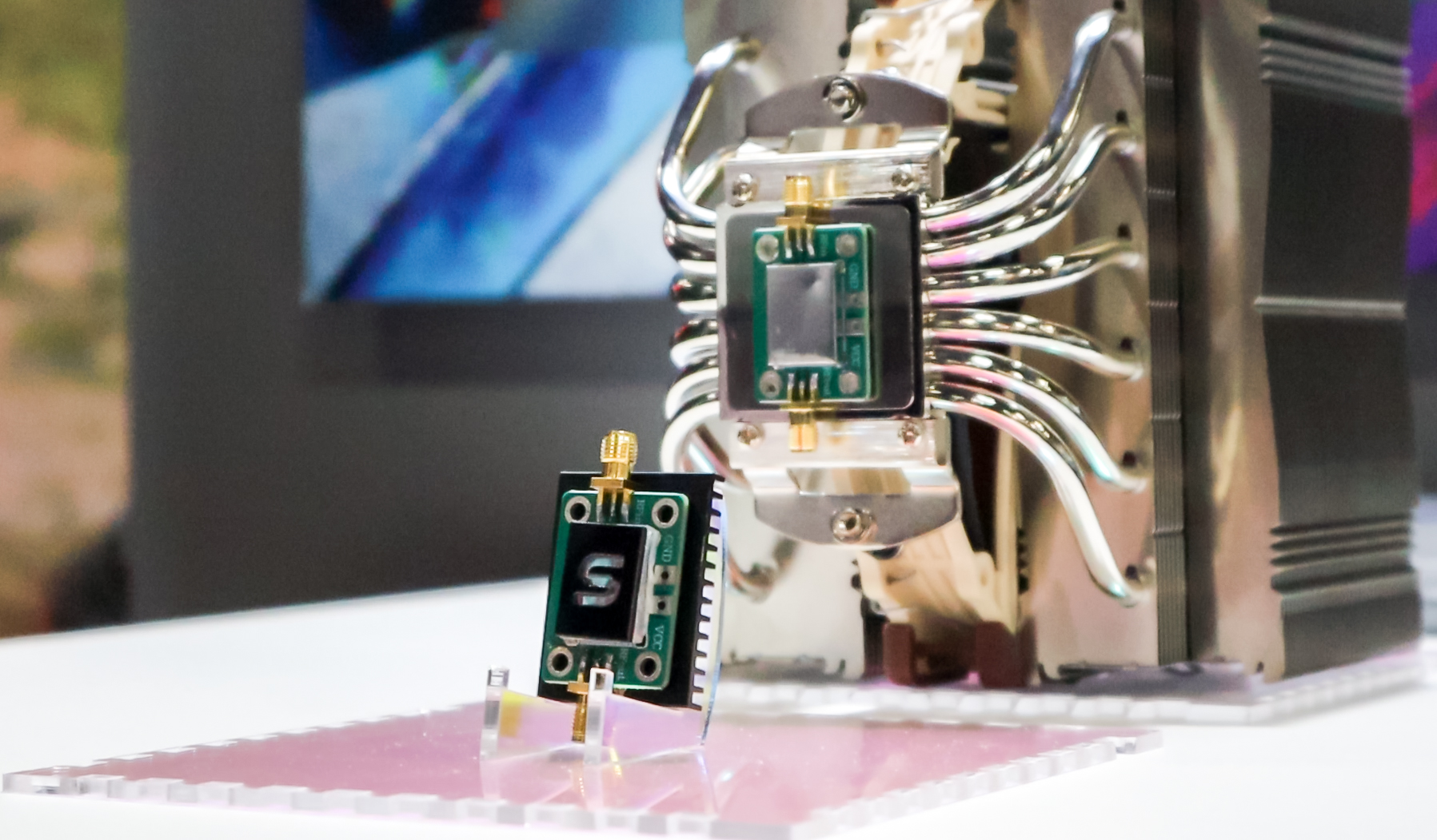
A new agreement between Space Forge and United Semiconductors LLC will aim to manufacture advanced semiconductors in space for future quantum computers and electronic devices.

Quantum Space Acquires Phase Four’s Propulsion Tech
The deal opens the door for Quantum to integrate Phase Four’s unique propulsion capabilities to fuel Quantum’s Golden Dome ambitions.

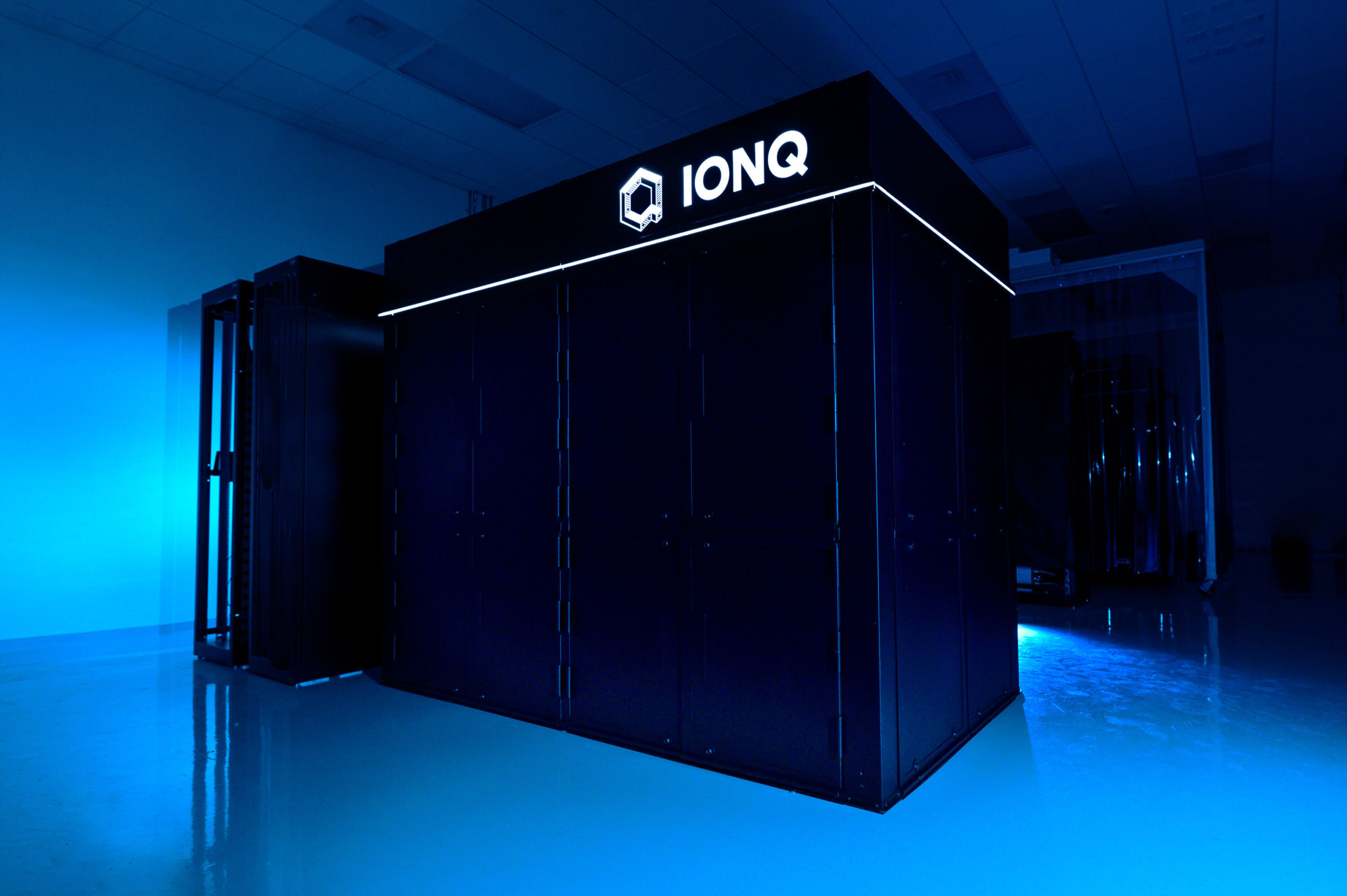
IonQ Signs MOU With DOE For Quantum In-Space Demo
The partnership will also study the use of quantum tech in space for other priorities—options include offering a secure alternative to GPS and investigating quantum networking.
Moon Telescope Sparks Lunar-Distance Relationship
There’s plans afoot to put a new telescope near the Moon’s south pole—and a Canadian company was selected this week to design and build its instrument suite.

Spanish VLEO Startup Kreios Closes €8M Seed Round
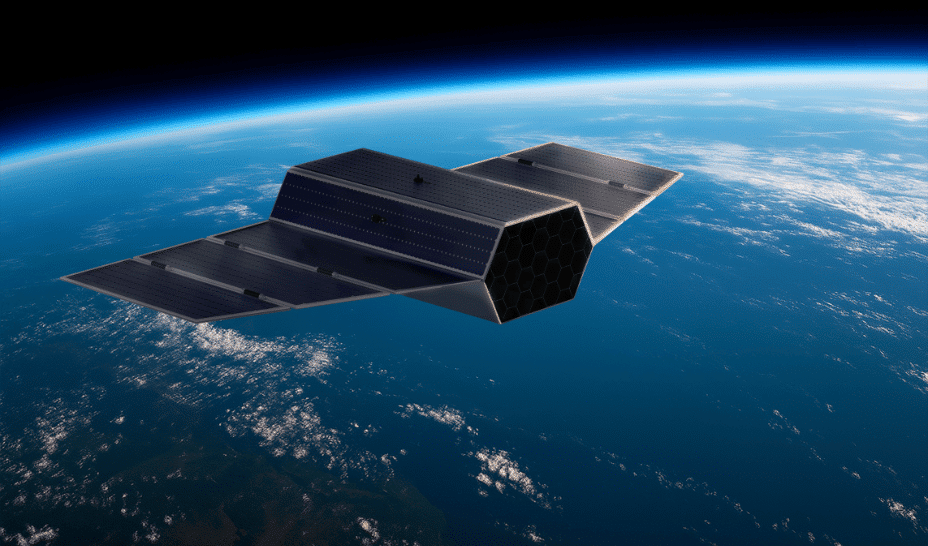
New satellites are coming to an orbit (very) near you.
The Ground Segment Takes Center Stage in Paris
Whatever the future holds for satellite operators, it’s safe to assume that the ground segment will be a lock step in making advancements of their own.

Axiom Launches Global Space Research Alliance
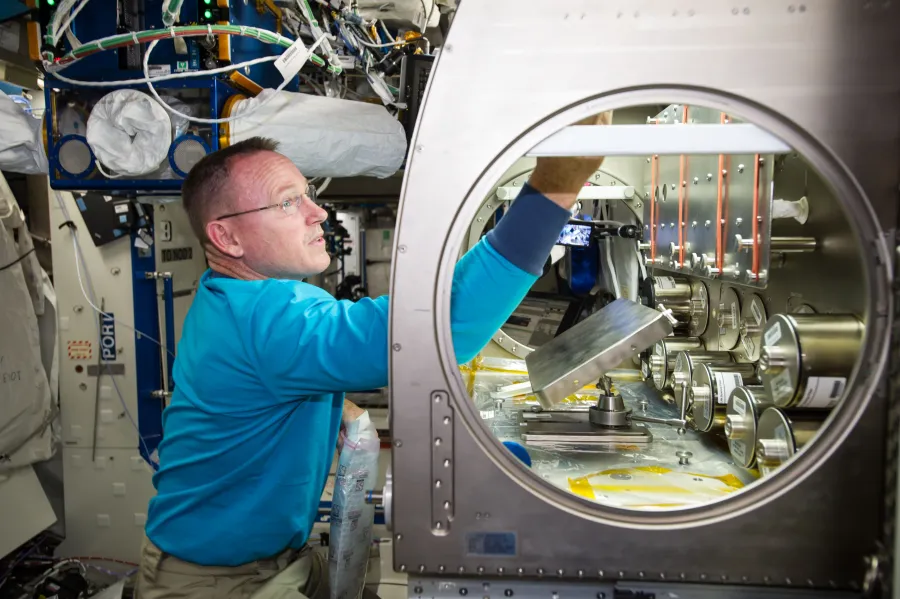
Axiom Space is establishing a group of space researchers to push for scientific priorities in orbit, to collaborate on shared goals, and to help the microgravity research industry navigate the transition from the government-led ISS to commercial space stations.
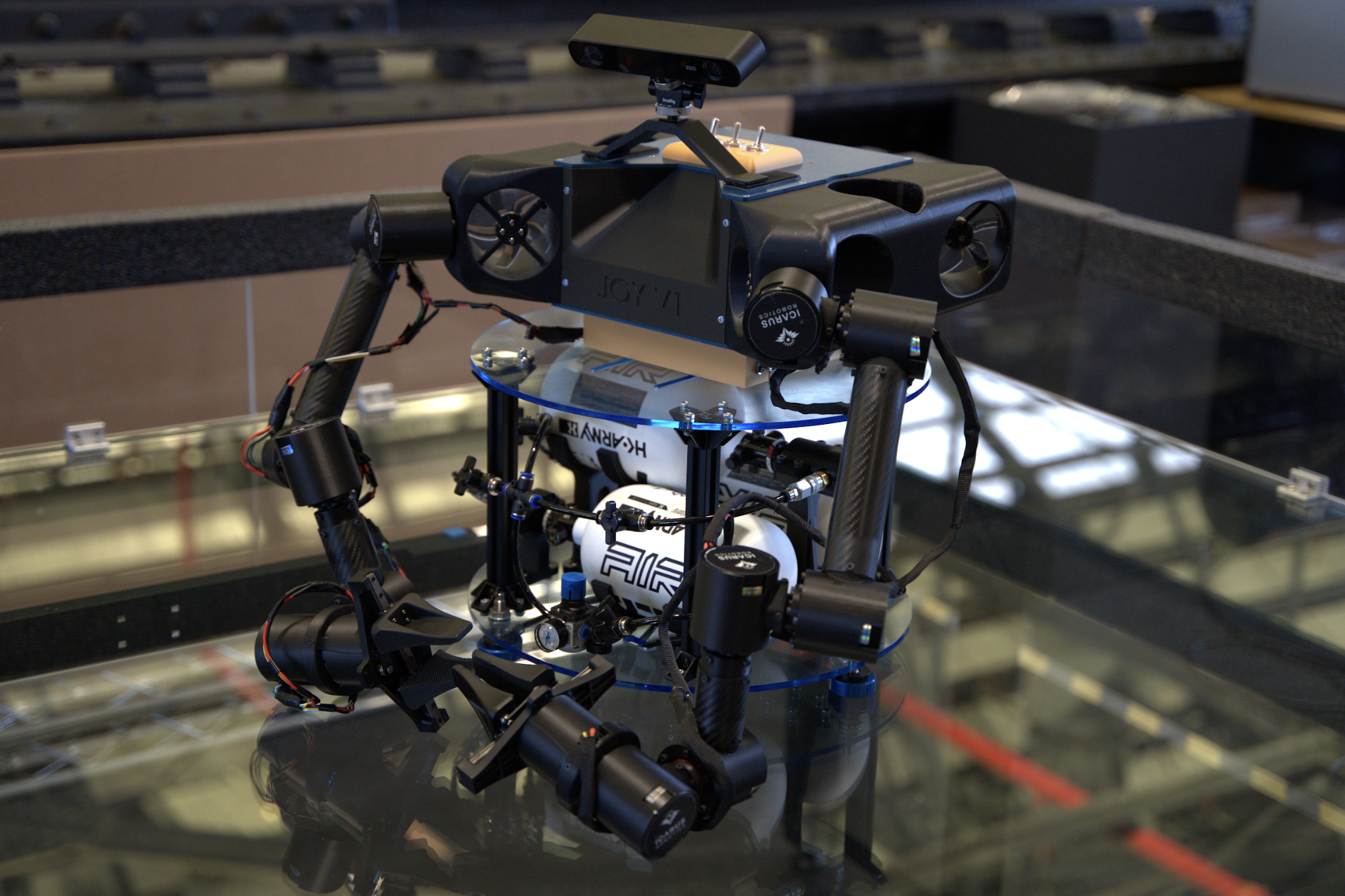
Icarus Raises $6.1M Seed to Put Robot Workers in Space
Add astronaut to the long list of jobs at risk of being displaced by AI.
Exclusive: Hubble Network Closes $70M Series B
The round brings Hubble’s total funding to $100M, which will fund the deployment of a 60-sat constellation by 2028.

Exotrail Unveils Details of Second Spacevan OTV Mission
The mission, dubbed Wings of Light, will carry hosted payloads as well as satellites the OTV will deploy on orbit.

Maxar, Ecopia AI Team on Vector Mapping
Maxar Intelligence is joining forces with Ecopia AI, an AI-powered mapping company, to build more accurate vector maps that are already being used by government customers around the world.
