
Pasha Kravtsov, True Anomaly
When a former colleague shared that his company was working to counter a recently-launched Russian military sat, Pasha Kravtsov wanted in.

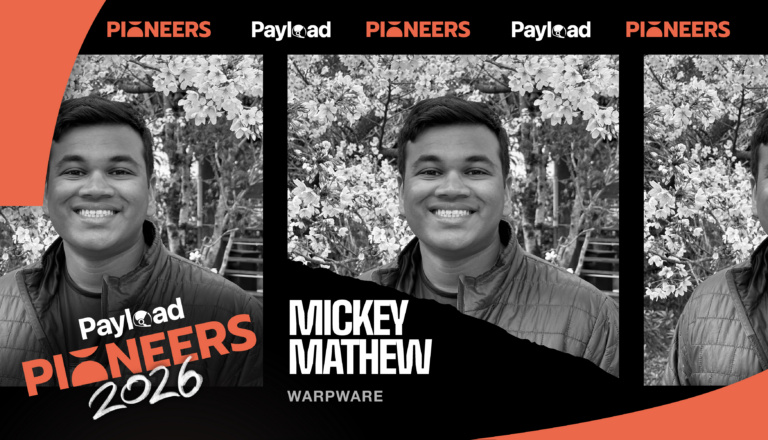
Mickey Mathew, WarpWare
“I grew up assuming going to space was easy,” Mickey Matthew told Payload. With seven friends who had astronaut parents, going to space felt like something everyone was doing.
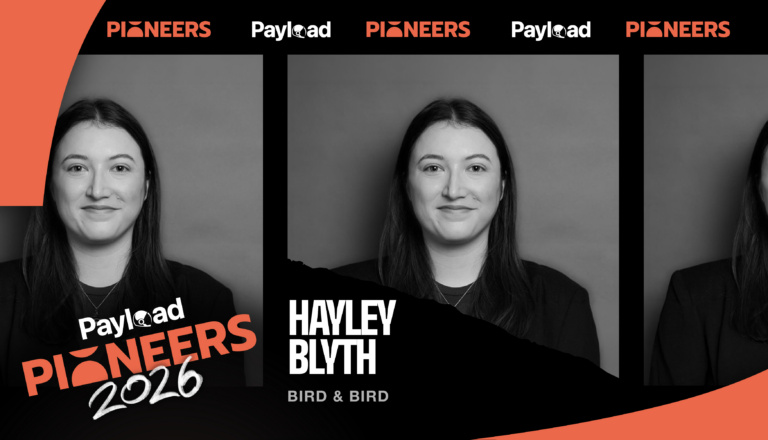
Hayley Blyth, Bird & Bird
Hayley Blyth’s path into space started with a question about war: how do the rules of armed conflict apply in orbit?
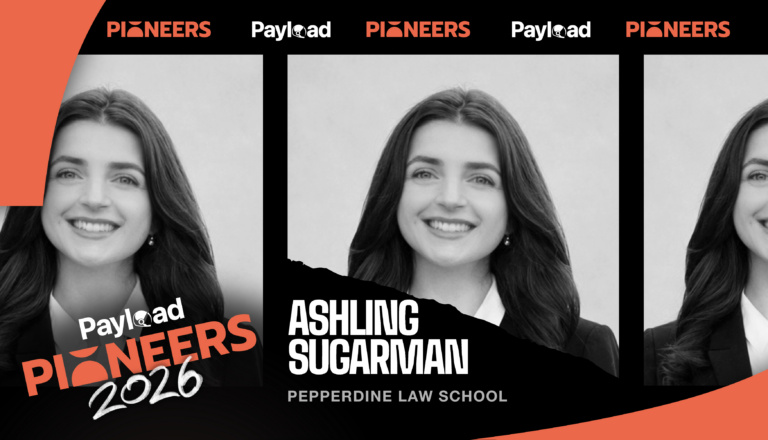
Ashling Sugarman, Pepperdine Law School
Not many people can turn a childhood dream of being a “space cowgirl” into a career, but Ashling Sugarman is getting close. She’s just traded a lasso for law books.
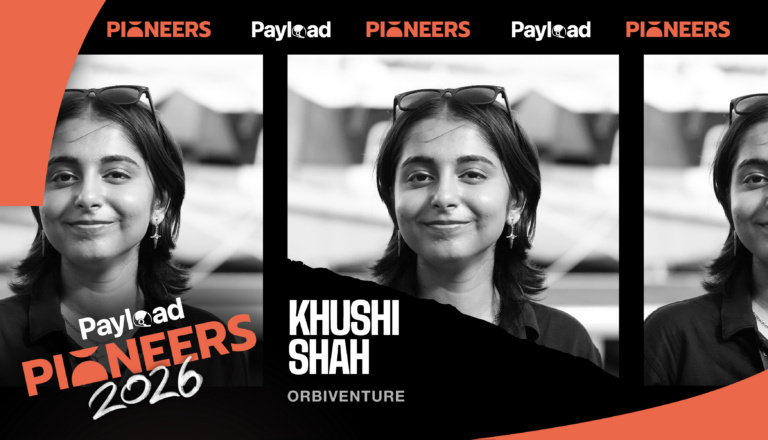
Khushi Shah, Orbiventure
Shah was drawn to more “creative parts” of the space industry and is now creating art that’s touched down on the lunar surface.
Priya Abiram, Vast
“I will be the youngest research astronaut, which is very exciting,” Abiram, 22, told Payload.

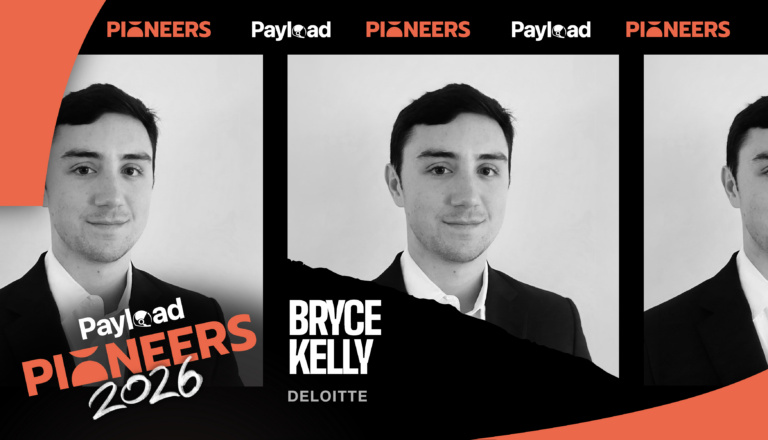
Bryce Kelly, Deloitte
“I started researching,” Kelly said. “I was like, ‘Oh my, gosh, wait. The space industry is a thing that I can go into, even as a non-technical person.’”
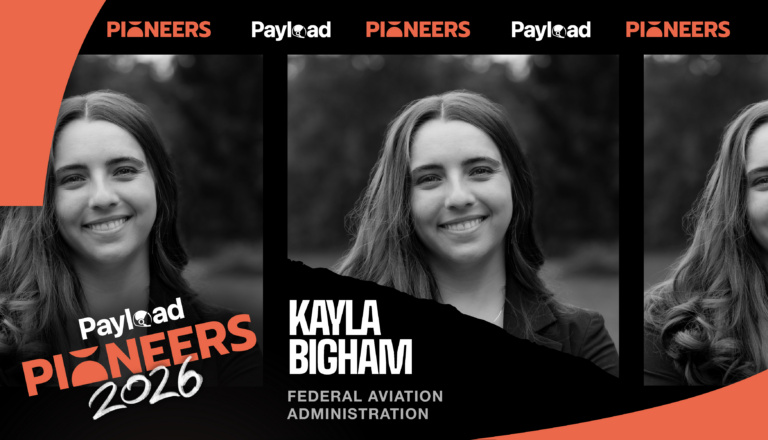
Kayla Bigham, FAA
Kayla Bigham grew up wanting to be an astronaut. Then, after learning about the Apollo 1 and Apollo 13 emergencies in elementary school, her goal shifted—she knew she wanted to keep space exploration safe.
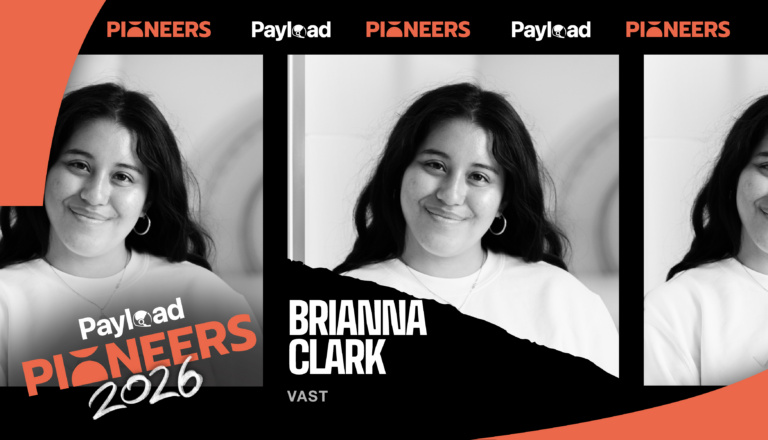
Brianna Clark, Vast
“It provides so much opportunity for not just people who love aerospace, but everyday people,” she explained. “We’re doing science for medical research. We’re doing science for pharmaceuticals, everything that patches and impacts everyday life.”
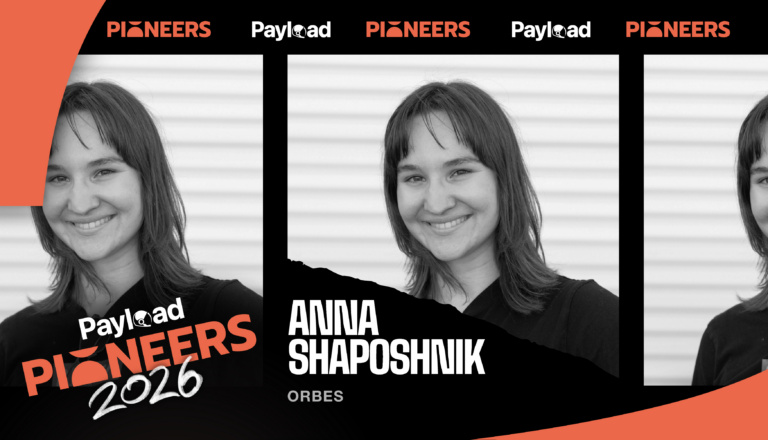
Anna Shaposhnik, ORBES
Each astronaut hour in orbit costs $130,000. What if robots could help with some of the grunt work—while also giving the world a better view of living in space?
Balerion Surpasses $200M Goal for Fund II
Dallas-based Balerion Space Ventures has surpassed its $200M target for its second fund, the firm announced Thursday.
Exclusive: Kapta Space Raises $24M Series A to Build Moving Target Radar Payload
Seattle-based Kapta Space announced a $24M Series A to build next-gen radar payloads designed to track moving targets.