


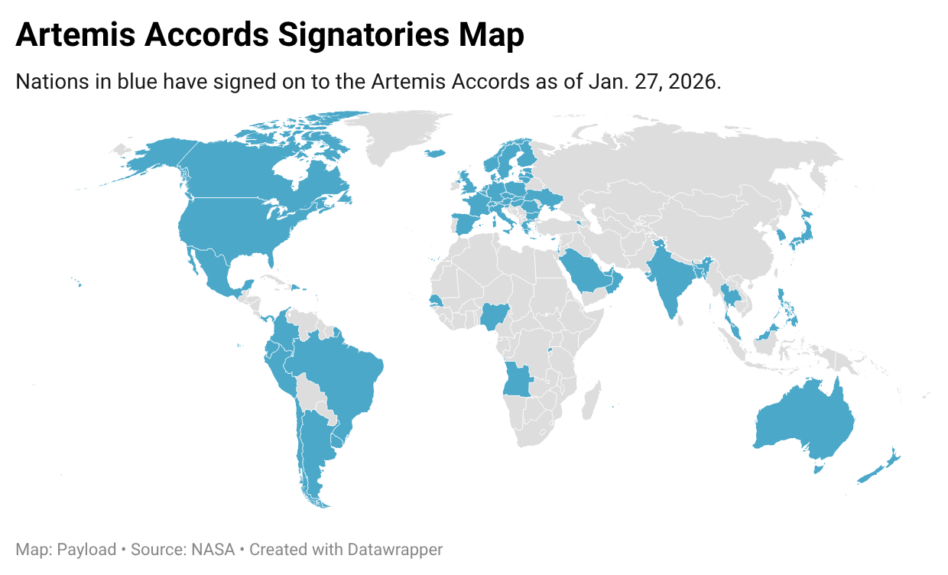
This article was updated Jan. 27 to reflect Oman’s addition to the Accords.
Oman announced this week that it had signed on to the Artemis Accords, becoming the 61st nation to agree to the set of non-binding principles.
A quick reminder: The US led the establishment of the Artemis Accords in 2020. Nations who sign on commit to exploring space in a peaceful, transparent, and sustainable way.
The accords celebrated their fifth anniversary in October. As such, here’s a roundup of where they stand.
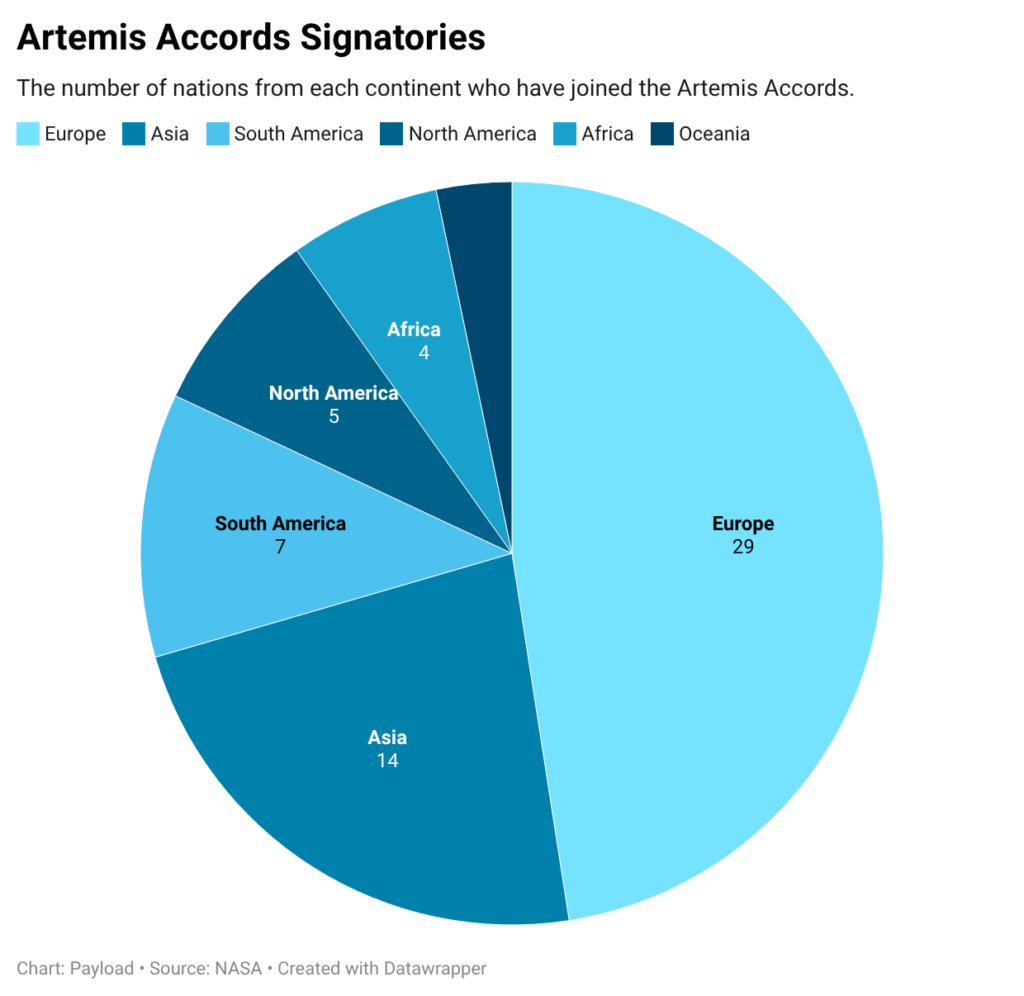
Global reach: As of Jan. 27, 61 nations have signed on to the accords, representing every continent except for Antarctica. Europe has the most signatories, with 29 nations represented, while Oceania (which has far fewer nations than Europe) has the fewest with just two.
Timeline: 2024 was a banner year for the agreement, with 19 nations signing onto the accords—the most number of additions in a year.

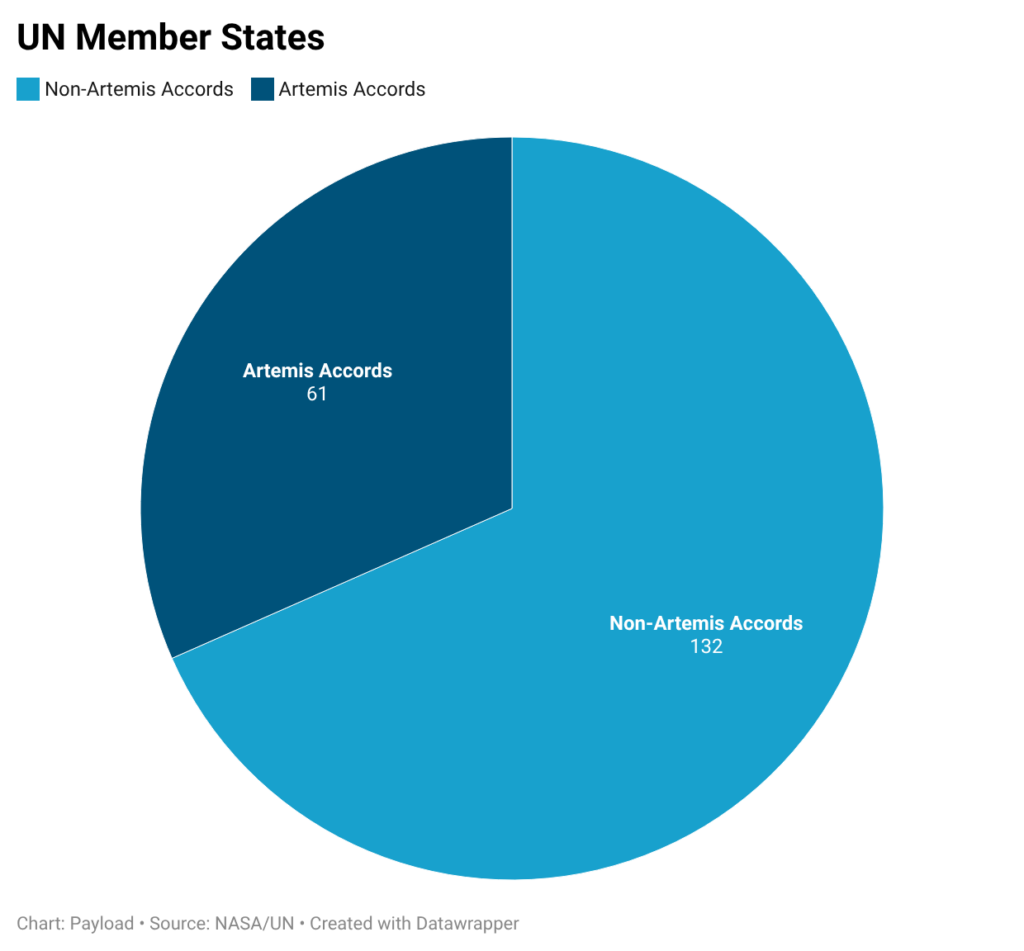
What’s next: There’s still room for the accords to grow its number of signatories in the years to come. Just 31% of UN member states—60 out of 193 nations recognized by the UN—have signed onto the agreement. Even though every nation doesn’t have a space program, US officials have said that non-spacefaring nations, many of whom rely on data collected in orbit, deserve a seat at the table when discussing the future of space exploration (though no one has said it’s a goal to have every nation sign on.)
Want more charts? Be sure to check out Payload Pro, our subscription product that offers analysis, insights….and yes, lots of charts to visualize the rapidly changing industry.
Apex Signs First Japanese Bus Contract With NEC
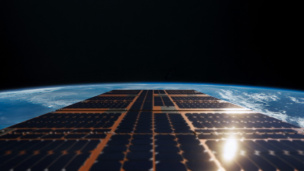
Under the contract, the Japanese NEC Corporation will buy one of Apex’s Aries satellite buses for a communications demo mission next year.
NanoAvionics Lands Korean National Security Deal
For NanoAvionics, the deal represents the latest win in a strategy of global expansion— which has found an eager and willing partner in the South Korean space industry.
How Congress Can Grow the Space Supply Chain
Demand in the space industry is skyrocketing—but the supply chain isn’t keeping up. Luckily, policymakers can speed things up, according to two leading industry groups.
Canadian Launchers and Spaceport Get Funding Boost
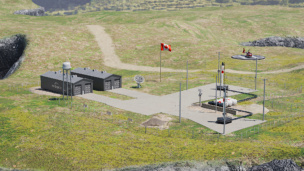
Canada will invest in a spaceport and three young rocket systems as part of its push to build up sovereign launch capabilities, officials announced Monday.

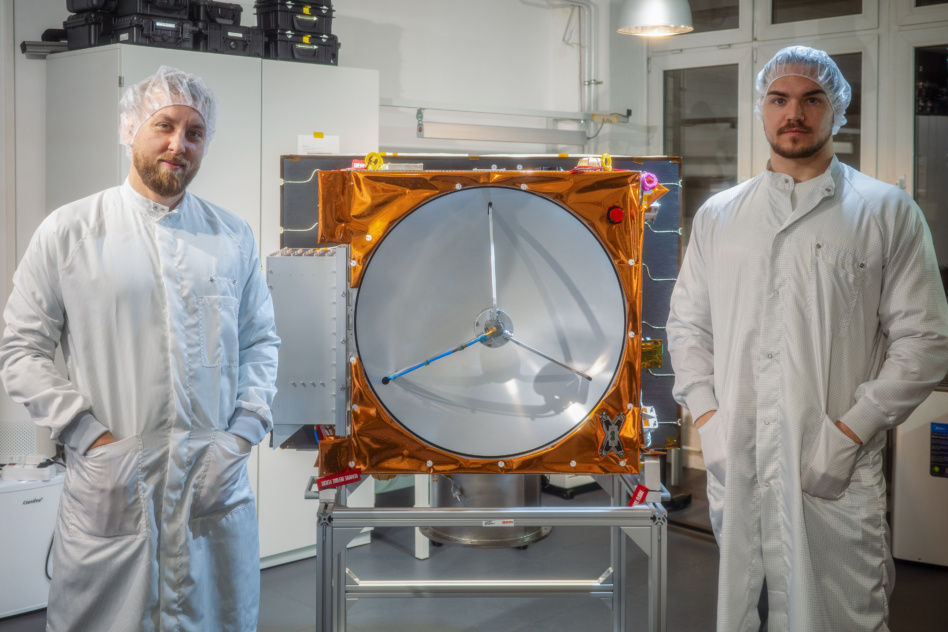
German satellite manufacturer Reflex Aerospace closed a €50M ($57.5M) Series A to expand its production capacity and meet the rising demand for European-made sats.
The fundraise—one of the largest Series A rounds in the European space industry to date—was led by Human Element. Alpine Space Ventures, Bayern Kapital, High-Tech Gründerfonds, Renovatio Financial Investments also joined the round.
Less is more: Reflex will use the capital to expand the manufacturing capacity at its facility in Bavaria, which will be able to churn out 60 to 70 highly complex satellites per year, according to CEO Walter Ballheimer.
Keep reading