



This year, Europe took major steps to break out on its own in space, including investing in sovereign tech, forging new relationships, and gaining an appreciation for dual-use hardware.
Want more news out of the continent in 2026? Be sure to sign up for our weekly Payload Europe newsletter, which hits inboxes Friday morning at 8am CET.
- Big bucks: European companies closed many fundraising deals in 2025, including a €1.35B ($1.57B) raise by Eutelsat (backed in large part by the French government), EnduroSat’s $100M+ (€85.2M) round, and Aerospacelab’s €94M ($109.4M) Series B. Read more here on what’s driving the record fundraising environment.
- Space Act: The European Commission released its long-awaited draft of the EU Space Act in June. The proposal quickly drew criticism from both sides of the Atlantic—and it’s something we dug into more in our first European webinar.
- Big picture: ESA contributing states approved €22.07B ($25.69B) in commitments covering the next three years of agency operations—the highest funding level in the history of the agency. ESA also unveiled its Technology 2040 report this year, which set the roadmap for Europe’s next 15 years in space.
- Blast off: It wasn’t a robust year for European launch, as many startups aiming to take flight for the first time in 2025 pushed their timelines to the right. However, that’s not stopping customers from booking flights on unproven rockets—or ESA from investing in new sovereign launch hardware.
- Fold it in: UKSA was folded into the UK Government’s Department of Science, Innovation, and Technology. While the move created an immediate stir in the industry, insiders overwhelmingly told Payload that the shift shouldn’t cause much change—at least in the short term.
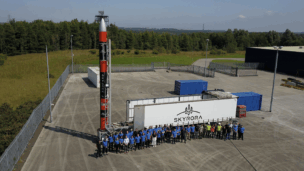
Skyrora Shifts Orbital Launch Timeline to 2030
First-mover advantage isn’t all it’s cracked up to be—at least, that’s the thought process for UK launcher Skyrora.
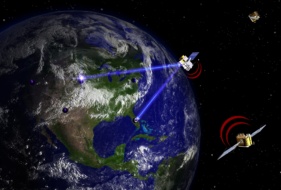
Foundational Raises £8.2M for Satellite Laser Ranging
Foundational emerged from stealth today with Europe’s largest space tech pre-seed round.
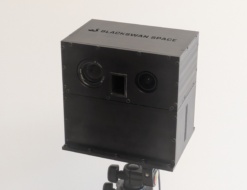
Blackswan Space Raises €2.5M Seed to Fund RPO Kit Demo
The round comes as Blackswan gears up for its first in-orbit mission of its RPO Kit payload.
Isaacman Doubles Down on New NASA Model for International Partnerships
Isaacman is less than a year on the job, but he’s already upended the way the agency interacts with the rest of the world.
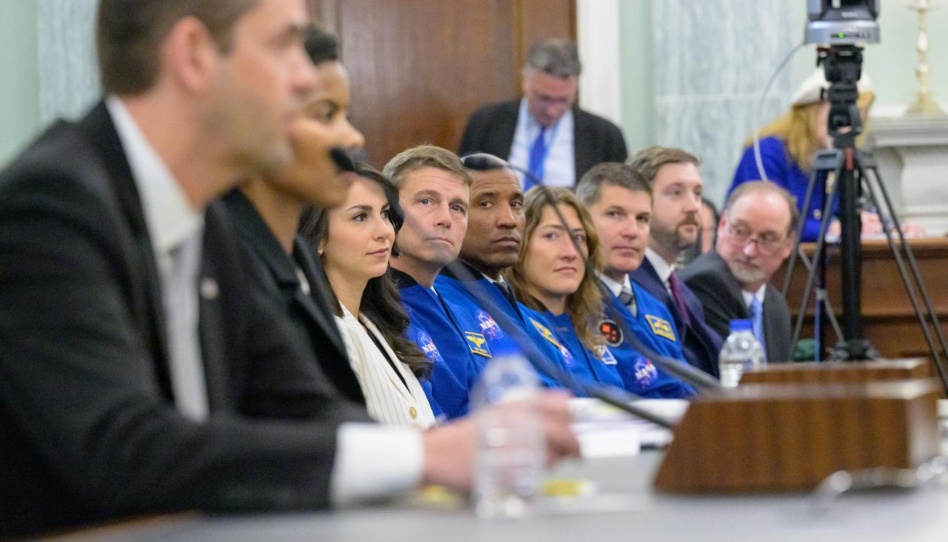
Reading through Payload’s top 2025 headlines on NASA, it’s easy to get whiplash. Between budget cuts, staff reductions, and leadership changes, it’s been a chaotic and unpredictable year for the space agency.
Here are some of the top themes that shaped the US civil space community this year:
Keep reading