


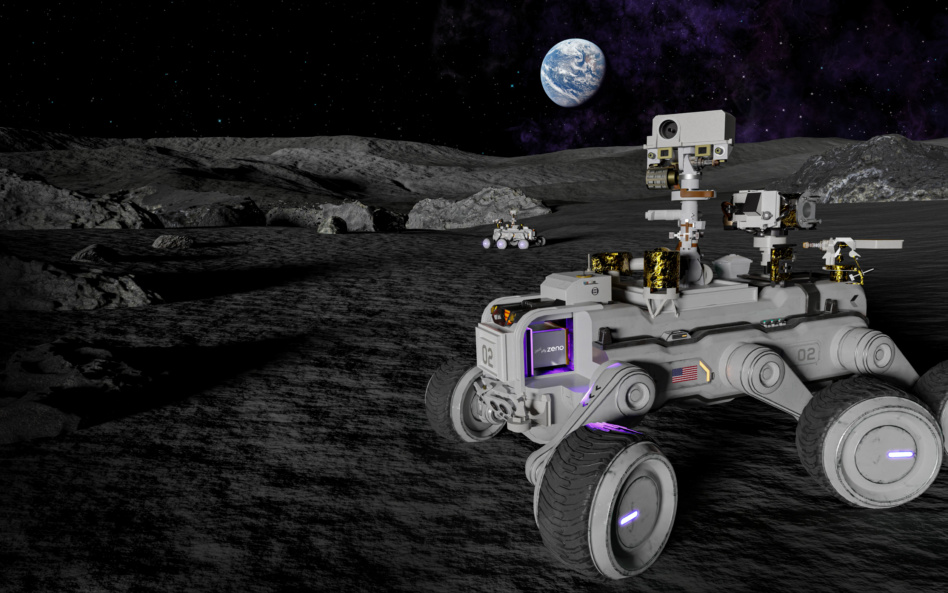
The fate of the NASA authorization bill being considered by Congress now could be a make or break moment for the budding space nuclear power sector, according to one company.
How we got here: On Feb. 4, the House Science, Space, and Technology Committee unanimously passed the NASA Reauthorization Act of 2026, which included amendments to:
- Expand NASA’s space nuclear capabilities;
- Encourage the agency’s coordination with the Department of Energy to support space nuclear R&D;
- Direct the agency to work with the commercial sector “to the maximum extent possible.”
The bill still has ways to go before it becomes law, including being considered and approved by the House committee’s counterpart in the Senate, and passing both chambers. But for companies like Zeno Power, a startup building radioisotope power systems to help keep hardware operational during the lunar night, the bill reaching the president’s desk is a potential watershed moment.
“Space nuclear is already a priority at NASA [and] at the White House,” Zeno CEO Tyler Bernstein told Payload. “So, in a lot of ways, this bill is just emboldening [the agency] to do what they want to do, and is giving them the structure and authority to execute faster.”
Not just a bill: As it stands, the bill could solve the “chicken and egg problem” that’s holding space nuclear tech back from widespread use, according to Bernstein.
“NASA and the government can play a really important role. First, buy one system to deliver on the lunar surface. Show this technology is real,” Bernstein said. “Because once one is there, once it is de-risked…[we] have a commercially viable product that we can sell at scale to commercial companies, to NASA, to allied governments.”
It’s not just Zeno that stands to benefit from the proposed bill. In January, the Nuclear Energy Institute (NEI) sent a letter to representatives supporting the proposed legislation. The NEI also urged lawmakers to:
- Authorize programs for NASA to prioritize the demonstration and deployment of space nuclear power systems this decade;
- Ensure future lunar missions have incentives in place to adopt commercial nuclear tech;
- Address further regulatory barriers, including NASA’s authority to support commercial indemnification of space nuclear missions.
On the wishlist: Multiple companies building nuclear technologies—including fission reactors, nuclear propulsion, and radioisotope power generation—are counting on the reauthorization bill to hit their development and demonstration timelines. The widespread sentiment, however, is that the bill needs to go a step or two further.
First, and most importantly, the industry is pushing for the US government to solve the issue of indemnification, which is the process by which nuclear power can be insured for launch to orbit—and beyond. The US government can indemnify space nuclear tech flying on its own missions, but for commercial-use cases there hasn’t been a demonstrated pathway for nuclear tech to gain the insurance coverage that is necessary to fly to space.
The hope is that the final reauthorization language would “ensure that there is a sustainable pathway for the broader use of space nuclear—not just for one-off demonstrations, but in broad-scale production for commercial and government use,” according to Bernstein.
Second, Zeno would like to see specific timelines to demonstrate space nuclear power tech. Zeno could be ready to deploy a radioisotope system on the surface of the Moon as early as 2028, according to Bernstein, so having explicit dates called out in the bill would affirm the company’s development timeline.

Exclusive: Helogen Plans Two In-Orbit Manufacturing Missions in October
While Helogen has flown subsystems in the past, the missions will mark the first flights of the entire HEL-IOS platform.
Exclusive: City Labs Plans Second Nuclear Demo
Following the success of City Labs’ first nuclear-powered betavoltaic demo, City Labs is planning a demo of its radioisotope heating unit.
The Aerospace Corp’s Disksat Gains Commercial Traction
Thinking outside the box is paying off—at least for The Aerospace Corporation, which is starting to gain commercial traction for Disksat, its new box-less satellite configuration.

Beyond Reach Labs Unveils Flarewing Deployable Solar Arrays
Beyond Reach Labs has been developing a patent-pending solar-array-deployment system designed to fold flat during launch.

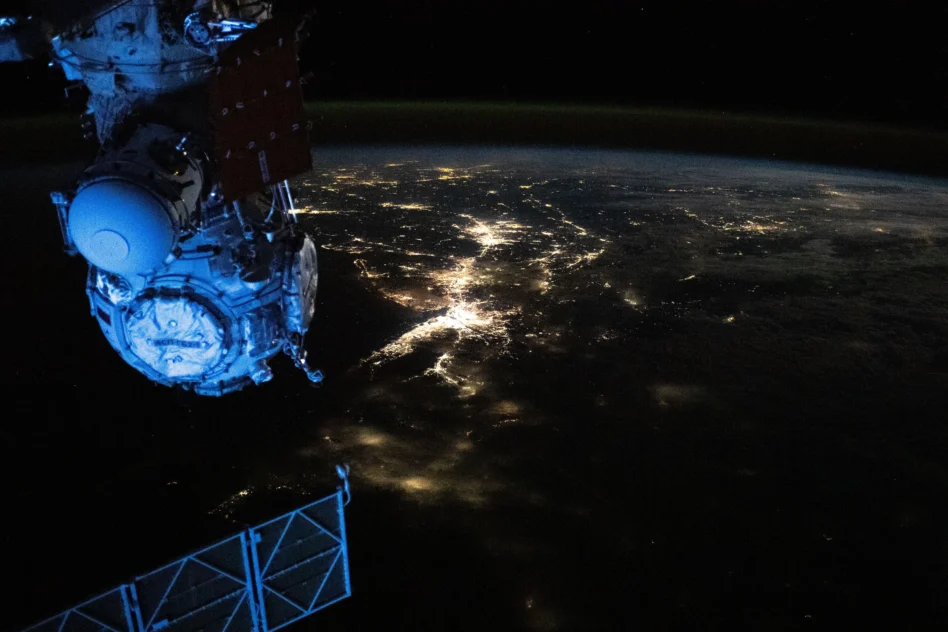
When Congress passed the One Big Beautiful Bill Act last year, spaceports got one step closer to being recognized as any other piece of infrastructure—like an airport or seaport.
Fighting for spaceport’s inclusion in that legislation is one of the top wins during the US Chamber of Commerce’s Space Leadership Council’s first year, according to John Neal, the chamber’s executive director for space policy. The bill included a tweak to the tax code that allowed spaceports to use municipal bonds to modernize—a funding tool that’s long been available to other transportation infrastructure.
But that’s just the beginning for the council, which is gearing up to push even harder on the space infrastructure front in its second year.
Keep reading