

NASA is facing dramatic cuts to its science program next fiscal year—but advocates say they’re ready to fight for NASA’s space science missions.
It’s a lede we could have written in 2025, but which is also true in 2026. Once again, the Trump administration has proposed an $18.8B NASA budget that would make large cuts to science and STEM missions. And—once again—advocates and lawmakers are saying they won’t stand idly by while programs are gutted.
By the numbers: The budget would invest $3.89B in NASA’s science portfolio—representing a $3.4B cut to the directorate and the elimination of 40+ missions. That budget includes:
- $1.02B for Earth science;
- $1.88B for planetary science;
- $552.4M for astrophysics;
- $419.6M for heliophysics;
- $25M for biological and physical sciences.
Some programs cut include the Mars Sample Return mission, as well as the SERVIR program to work with organizations in Asia, Africa, and Latin America to use geospatial data for studying climate change.
Some projects receiving funding include:
- $424M for the Dragonfly mission to explore Saturn’s moon, Titan;
- $213M to support JWST and Hubble;
- $13M to study the things that will make it possible to live and work off-Earth, such as growing crops in space and studying the physical effects of long-term spaceflight on astronauts;
- $5M for the Habitable Worlds Observatory “for a potential future flagship mission.”
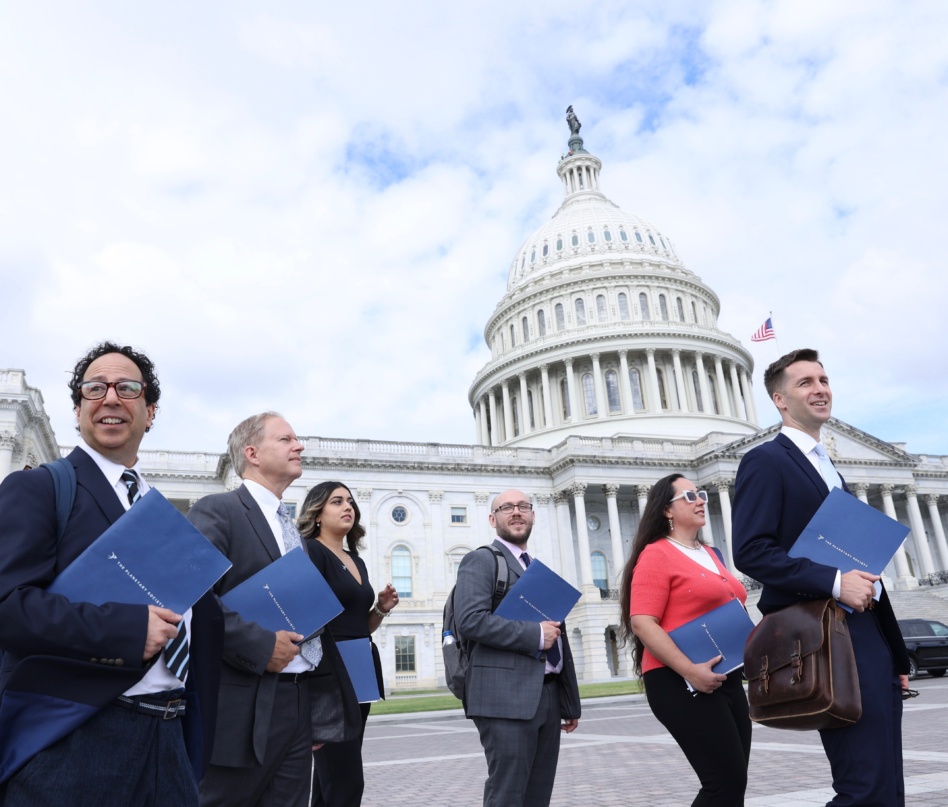
The reaction: The Planetary Society—an advocacy group that organized others to lobby against the proposed science cuts for fiscal 2026—said it’s ready to rally the troops again.
“The president has stated his desire that NASA remain the world’s premier space agency. The White House’s budgeting office is out of step with this broad, bipartisan consensus,” the organization said in a statement. “The Planetary Society will once again amplify the voices of the public to ensure these draconian cuts are rejected by Congress as decisively as last year.”
The society already has supporters on Capitol Hill. Last month, 103 lawmakers representing both parties signed a letter urging $9B in NASA science funding in fiscal 2027—more than double what was proposed by the administration.
“The president’s new budget defunding American science and innovation is dead on arrival, just like last year,” Rep. George Whitesides (D-CA) said in a statement last week. “As NASA astronauts are literally on their way to the Moon, showcasing the tremendous power of American innovation that the president claims to support, the administration is actively trying to sabotage their mission and the dedicated team at NASA.”
Velos’ Election Day Tracker for Space
Space may not be top of mind when voters head to the ballot box, but Election Day outcomes still have a big impact on US policy and funding above the Kármán line.
Colorado Springs, Huntsville Team Up on Golden Dome
“It’s a transformed relationship between Colorado Springs and Huntsville,” Rep. Jeff Crank (R-CO) told Payload. “When I took office, I don’t think it was a bad relationship, but it was one where both communities were kind of looking over their shoulder at the other. That wasn’t good for America, and I don’t think it was good for Colorado Springs or Huntsville either.”
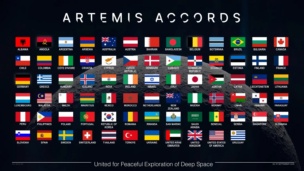
Artemis Accords To Meet on Lunar Debris, Emerging Space Help
The Artemis Accords Principals’ Meeting in Turkey will be led by NASA Deputy Administrator Matt Anderson and Maj. Gen. Roberto Melgar Sheen, director of the Peruvian Space Agency.
FCC to Vote on Waiving NEPA Review for Space Ops
The FCC will vote Sept. 30 on whether to narrow which commission activities face environmental review, and streamline the process for the ones that require assessment.
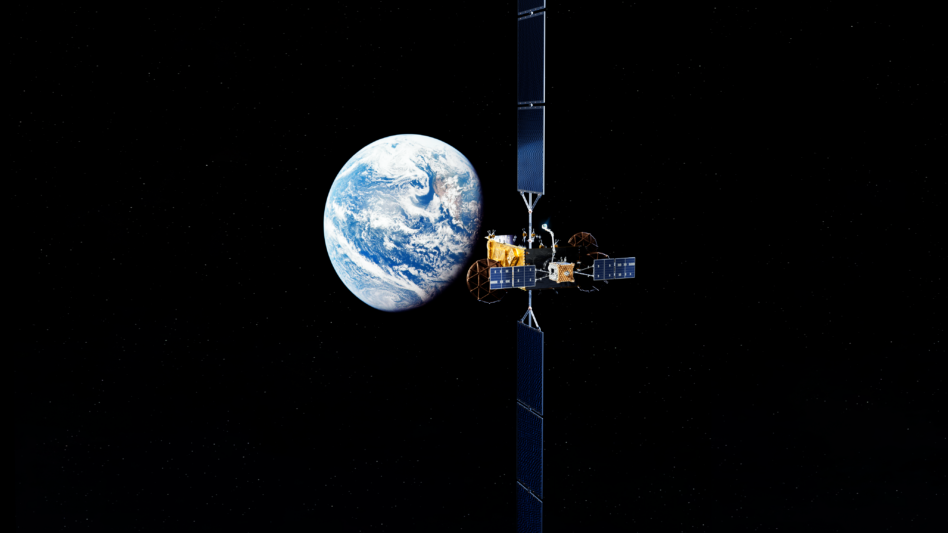
Starfish Space has closed a $100M+ Series B as it works towards the launch of its first full Otter mission this year.
Point72 Ventures led the round, which was also co-led by Activate Capital and Shield Capital. The round also included participation from Industrious Ventures, NightDragon, and several existing investors in the company.
An-otter one: It’s been three years since Starfish raised its $14M Series A—and the company is in a significantly different place today. The company has hit several milestones since then, including:
Keep reading