


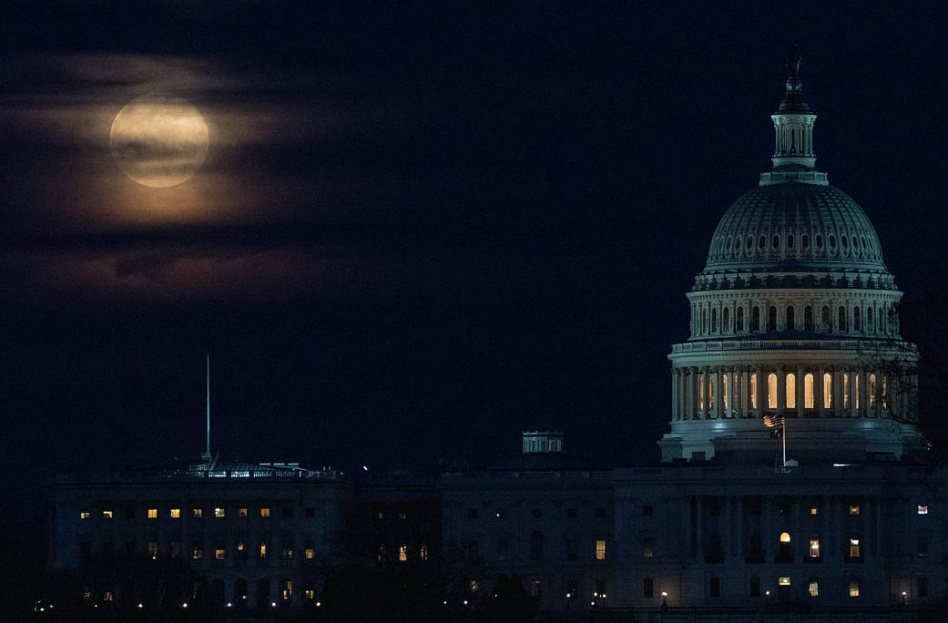
A bipartisan pair of senators introduced a bill last week that would consider allowing national security missions to tap into the commercial orbital data center craze.
Who: The Nodes, Enterprise Workloads, and Hybrid Operations, Resilience, Integration, Zero-Trust, Orbital Networks (NEW HORIZON) Act was introduced by Sens. Ted Cruz (R-TX) and John Hickenlooper (D-CO). Both senators represent states with prominent space interests, and serve on the Senate Commerce, Science, and Transportation Committee (which Cruz chairs).
Big picture: This bill would establish a pilot program that would allow the Pentagon to evaluate how it could use commercial orbital data centers and space-based cloud computing for national security missions.
“Data generated in space goes underutilized because of network bandwidth issues between satellites and ground stations,” Cruz said in a statement. “This legislation enables the Department of War to conduct operational testing on space-based data processing and storage, and will help to reduce latency, improve resilience, and enhance operational effectiveness.”
More details: The Pentagon must establish the pilot program at the Defense Innovation Unit within a year after the bill is passed. The program will allow the Defense Department to:
- Assess how useful in-space data storage and processing will be for military operations;
- Ensure these services can be integrated with existing comms and intelligence tech;
- Study the resiliency—and vulnerabilities—of orbital data centers.
The findings of the pilot program could help the military begin to use these assets under a program of record.
What’s next: The bill has a long way to go to become law. While it’s been introduced as a standalone piece of legislation, it is a good fit to be considered as an amendment to the FY27 National Defense Authorization Act—and potentially added to the bill that’s working its way through Congress now.
If it passes, the defense secretary would be tasked with briefing Congress on the findings of the pilot program by the end of 2028.

Velos’ Election Day Tracker for Space
Space may not be top of mind when voters head to the ballot box, but Election Day outcomes still have a big impact on US policy and funding above the Kármán line.
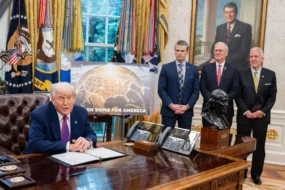
Colorado Springs, Huntsville Team Up on Golden Dome
“It’s a transformed relationship between Colorado Springs and Huntsville,” Rep. Jeff Crank (R-CO) told Payload. “When I took office, I don’t think it was a bad relationship, but it was one where both communities were kind of looking over their shoulder at the other. That wasn’t good for America, and I don’t think it was good for Colorado Springs or Huntsville either.”

Artemis Accords To Meet on Lunar Debris, Emerging Space Help
The Artemis Accords Principals’ Meeting in Turkey will be led by NASA Deputy Administrator Matt Anderson and Maj. Gen. Roberto Melgar Sheen, director of the Peruvian Space Agency.
FCC to Vote on Waiving NEPA Review for Space Ops
The FCC will vote Sept. 30 on whether to narrow which commission activities face environmental review, and streamline the process for the ones that require assessment.

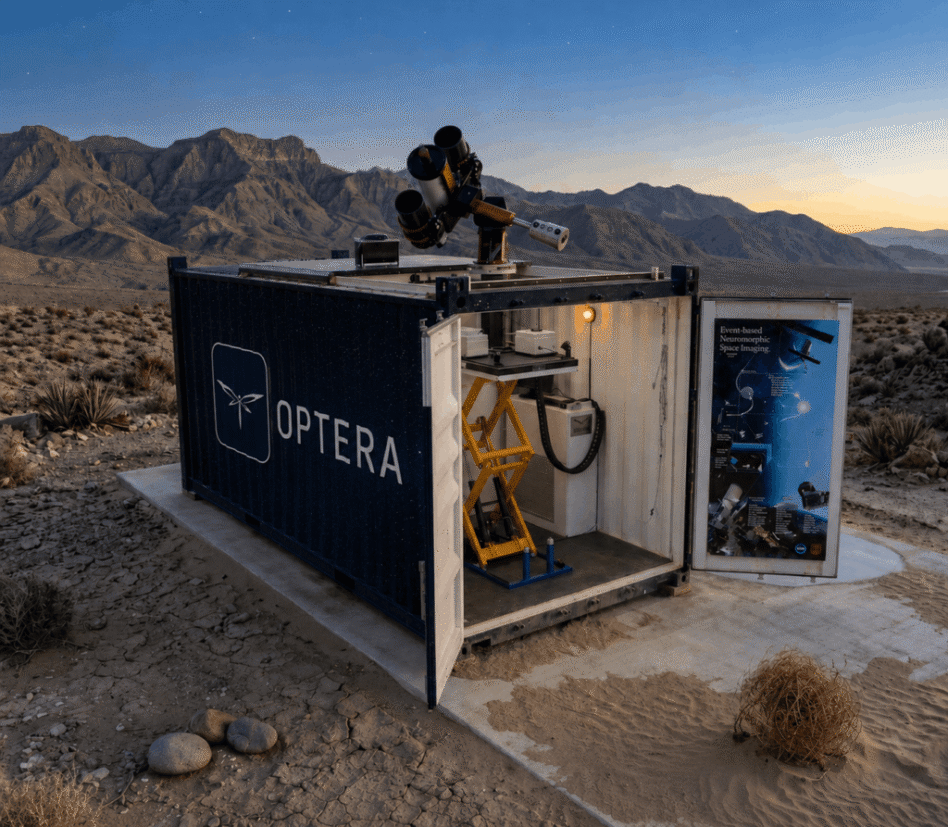
Optera, an Australian startup developing sensors for SDA, announced £3M ($4M) in fresh funding yesterday to finance its relocation—with plans to move to the UK and attract new European customers.
“This funding enables us to expand our UK engineering team, deliver key SDA and dual-use sensing programmes, and accelerate on-orbit processing so more intelligence can be generated at the edge,” Optera CEO Jonathon Wolfe said in a statement.
The UK Innovation & Science Seed Fund (UKI2S)—managed by Future Planet Capital and backed by UKSA—led the round, which included participation from Blackfinch Ventures, Foresight Group, the UK’s National Security Strategic Investment Fund, and Empirical Ventures.
Keep reading