


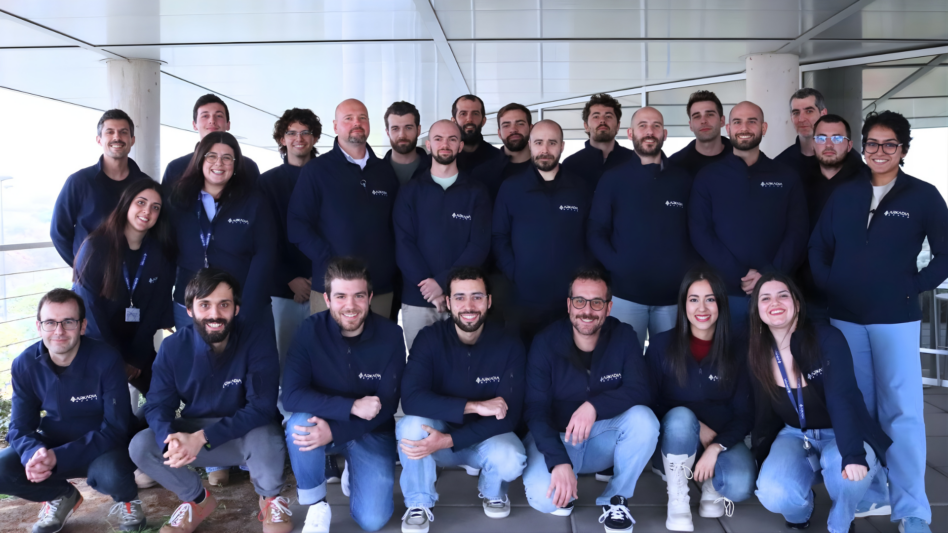
Spanish propulsion startup Arkadia Space just secured a stamp of approval from the European Innovation Council (EIC), along with €14.5M to develop an upgraded bipropellant propulsion system for future high-power missions and scale its production capabilities.
The investment includes €2.5M in grant funding from the EIC, as well as €6M in equity financing matching €6M in private investment from an undisclosed source.
Run faster, jump higher: Arkadia’s first spaceflight on a D-Orbit ION satellite carrier in March 2025 allowed the company to validate its ability to use safe-to-handle hydrogen peroxide to generate 5 N of thrust.
The flight was a landmark moment for the company, which aims to use green propellants that can match or beat the performance of toxic hydrazine equivalents, thereby lowering the handling cost for satellite and spacecraft operators on the ground.
Arkadia plans to use the grant to fund further development of a new bipropellant engine to support higher-thrust requirement missions in orbit, and potentially serve as an engine for future lunar landings, according to CEO Francho García.
“The unique characteristic, because of the hypergolicity, you can have very high pulsing capability,” García said. “You can push extremely, extremely fast and to do precise maneuvers for docking or land on the Moon…There’s no other green fuel that you can hypergolize.”
The plan is to take the learnings from the monopropellant version tested in space last year, and upgrade to a higher-power bipropellant setup—a setup mixing hydrogen peroxide with a proprietary hypergolic fuel, to generate up to 500 N of thrust.
And the European market is champing at the bit to get a hold of the green-engine architecture. Last year, Arkadia signed an agreement to supply a 250-N version of its engine for MaiaSpace’s launch vehicles—and more contracts are on the way, according to García.
Building year: Arkadia plans to hold the rest of the funds to use when they’re ready to ramp up production of their engine systems, according to García. The company envisions building a larger production facility to meet rising demand for new engines, and also to invest in its fuel-production capability to keep pace with the engine output.
Having the backing of the EIC will help to streamline that ramp up.
“In principle, once you are part of the EIC Club… you’ve access to non-written, exclusive services in terms of mentoring—in terms of IOD client opportunities—but also easy access for more capital in the frame of debt or even more equity,” García told Payload.
With Artemis Changes, Europe is Left Holding the Bag
ESA and European space primes were developing many of the key components of the planned lunar orbiting station.
PAVE Space Raises $40M for In-Space Propulsion Tech
PAVE’s propulsion systems rely on a storable rocket bipropellant, which aims to make launch operations simpler and more cost-effective, compared with cryogenic fuels.
Airbase Emerges From Stealth With $5M to Automate Spectrum Allocation
As demand for spectrum grows alongside the rising number of missions in orbit, a new startup is looking to ease management of this precious, finite resource.
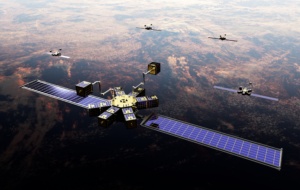
Symphony Space Unveils Adagio Hosted Payload Platform
Symphony Space is building a new model for hosting payloads—one where the satellite remains in orbit and the payloads come and go.
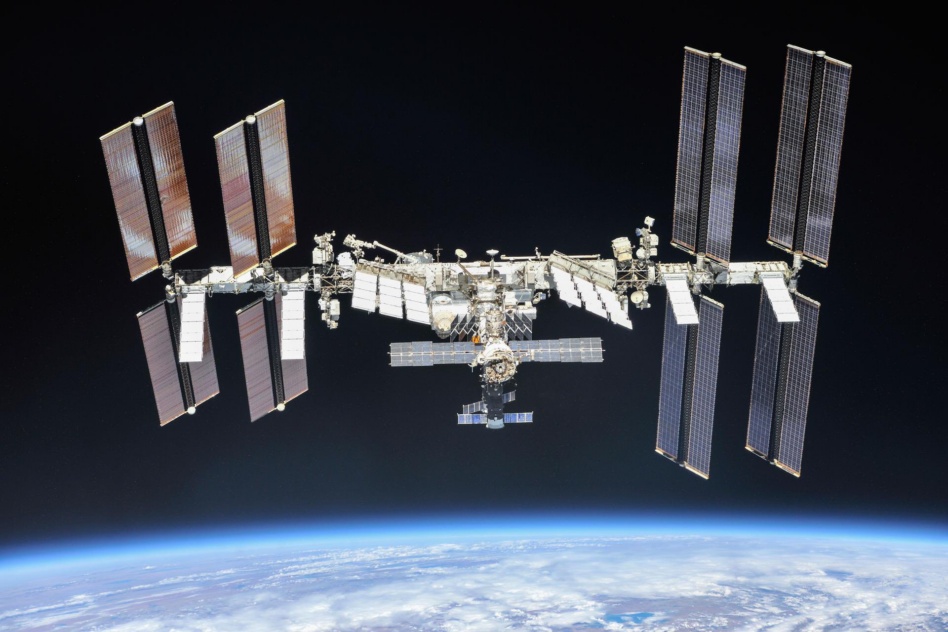
NASA Administrator Jared Isaacman proposed a new succession plan for America’s human presence in LEO that left many lawmakers scratching their heads.
During an event at NASA HQ this week, agency officials laid out a new vision for the transition from the ISS to Commercial LEO Destinations—one that could potentially upend many CLD deployment plans already underway.
It’s just a phase: NASA intends to acquire a new core module for the ISS that can provide power and life support to commercial segments that dock with it. The idea is to take a phased approach to the development of commercial modules, which could then detach with this core module at the end of the ISS’ life.
Keep reading