


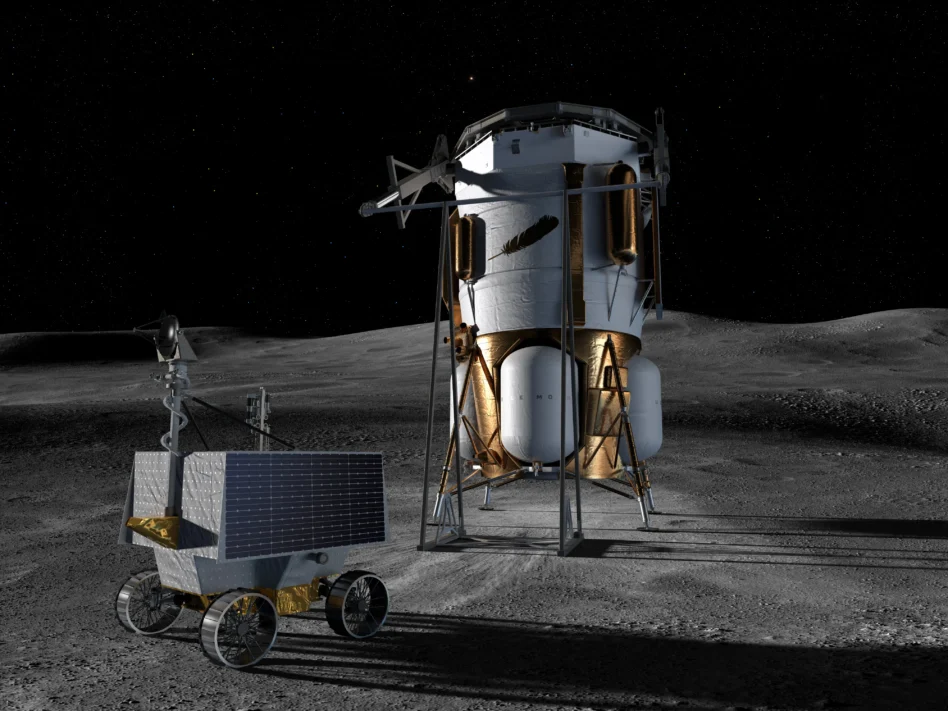
VIPER has slithered its way out of an early grave.
The NASA-developed lunar rover, which was canceled last year, will hitch a ride on Blue Origin’s second MK1 lander that is expected to reach the Moon in late 2027.
Background: In July 2024, NASA announced that it would end its VIPER mission over cost and schedule overruns, despite the agency sinking $450M in the project and completing much of the rover’s construction, integration, and environmental testing.
The move was met with widespread criticism from members of Congress and the public.
Under the Trump administration, however, NASA has favored deep space exploration, even if it means cutting budgets for Earth sciences to invest in missions to the Moon and Mars.
NASA Acting Administrator Sean Duffy also recently tapped Amit Kshatriya as his deputy. Formerly the deputy associate administrator for the Moon to Mars program, Kshatriya’s appointment signaled that missions to the Moon would have a champion at the highest echelons of the agency.
The mission: VIPER—the Volatiles Investigating Polar Exploration Rover—was designed to search for ice on or just below the Moon’s surface.
As part of the Blue Origin contract, the company’s MK1 robotic lander will deliver VIPER to the lunar south pole, where the rover will spend 100 days prospecting for lunar ice.
VIPER is equipped with several instruments to prospect for lunar H2O, including:
- A neutron spectrometer system to detect water and hydrogen in the lunar regolith, up to three feet beneath the surface.
- A one-meter drill, developed by Honeybee Robotics, to pull out soil cuttings.
- A near-infrared volatiles spectrometer system (NIRVSS) to detect finer minerals inside the soil, to determine if the regolith can be used to create rocket fuel.
- A mass spectrometer observing lunar operations, which will (in part) evaluate gasses emitted by the drill’s operations.
VIPER is also armed with an onboard computer and communications systems, which will transmit the vehicle’s findings back to NASA officials.
Top Space Lawmaker on Moon Base, Artemis Plans
“What I have heard from colleagues is they’re really rallying behind the idea of going to the Moon,” he told Payload. “Once we establish a base there…that might be the best place to launch to Mars.”
Q&A With Lunar Base Manager Carlos Garcia-Galan
At the start of last week, Carlos Garcia-Galan was working on NASA’s program for a lunar-orbiting habitat. Last Tuesday, however, he became the person overseeing the space agency’s ambitious plan to build a lunar surface base at record speed. During last week’s Ignition event at NASA HQ, Payload sat down with Garcia-Galan, the program executive…

Jared Isaacman Hits 100 Days In Office With a Bang
NASA Administrator Jared Isaacman has one message: Get in, we’re going to the Moon.
With Artemis Changes, Europe is Left Holding the Bag
ESA and European space primes were developing many of the key components of the planned lunar orbiting station.
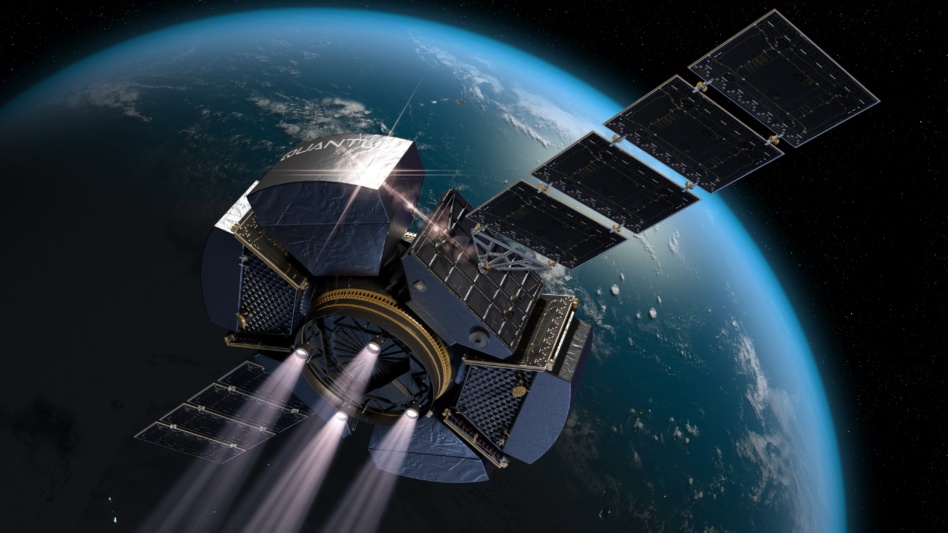
Alabama spacecraft manufacturer Quantum Space is already putting its $40M Series A extension round to work, announcing the acquisition of Phase Four’s multi-modal propulsion tech on Monday for an undisclosed amount.
Quantum has also taken over ownership of Phase Four’s integration and test facility in Hawthorne, CA, which can churn out up to 100 engines per year.
Paying in gold: The deal opens the door for Quantum to integrate Phase Four’s unique propulsion capabilities to fuel Quantum’s Golden Dome ambitions. Phase Four’s multi-modal propulsion system uses chemical and electric propulsion to perform high thrust or high efficiency maneuvers, depending on the mission.
Keep reading