
LEO
Stories about operations in low-Earth orbit.
Starfish Breaks Otter Pup’s Death Spiral
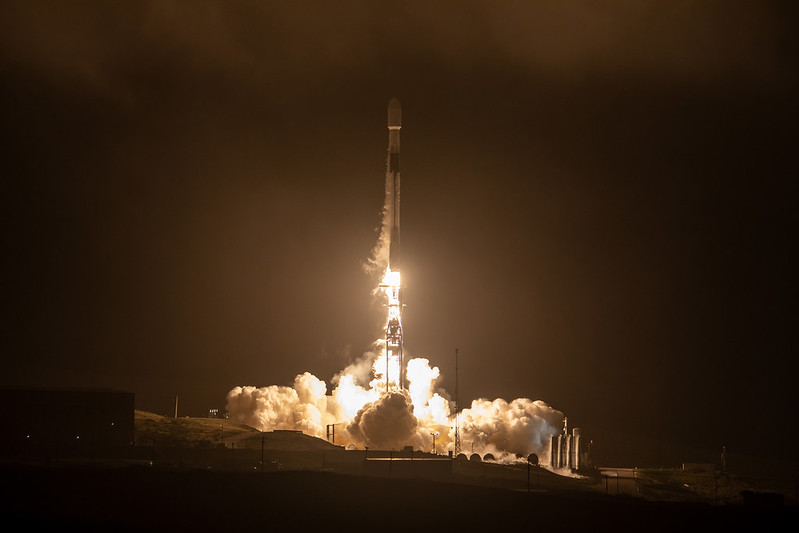
Otter Pup is back, baby. The spacecraft from Starfish Space tumbled through space for about six weeks after an emergency deployment from Launcher’s Orbiter craft in June. Yesterday, the Seattle-based startup announced that the craft is finally stabilized. “Less than two months after being deployed with rotation rates 100 times greater than normal operating conditions,…
Telesat and MDA to Build Lightspeed
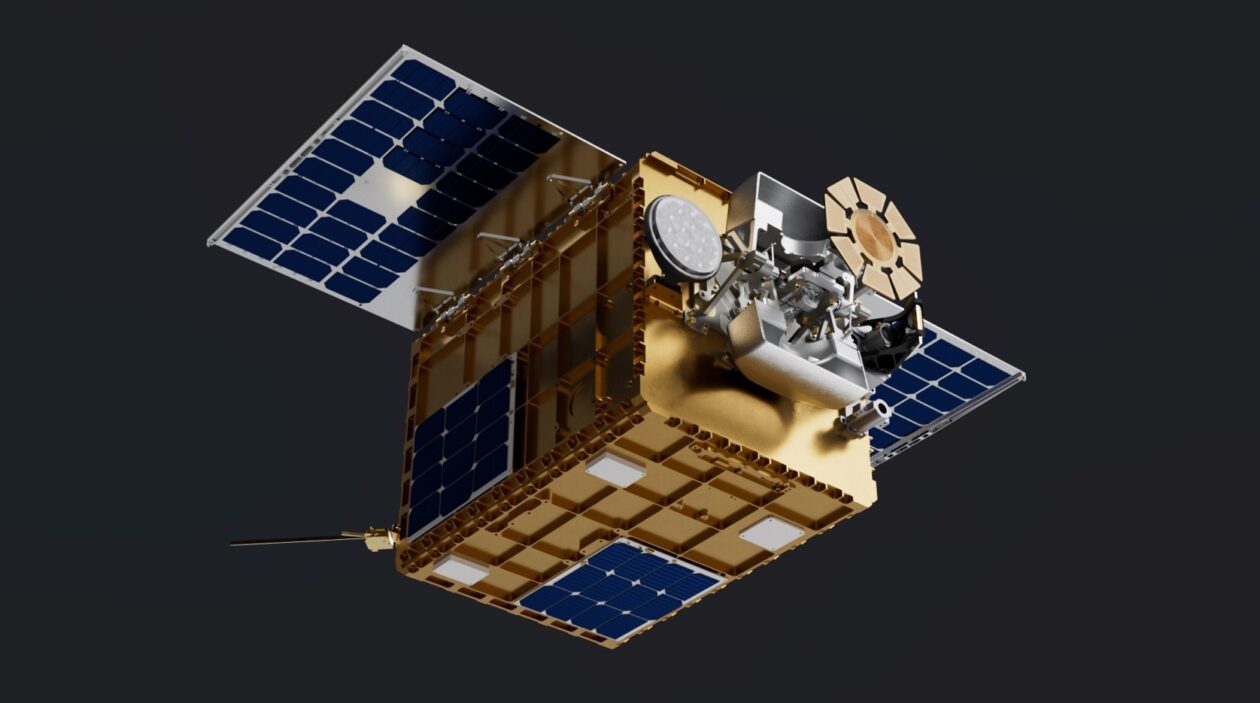
Telesat’s ($TSAT) LEO broadband plans are back on track. On Friday, the company announced a $2.1B CAD ($1.6B) contract with Canadian space tech company MDA ($MDA) to build 198 satellites. The deal puts an end to Telesat’s previous plan to build its constellation using slightly larger satellites from Thales Alenia Space, which has been beset…
ESA Performs an Assisted Reentry of Aeolus
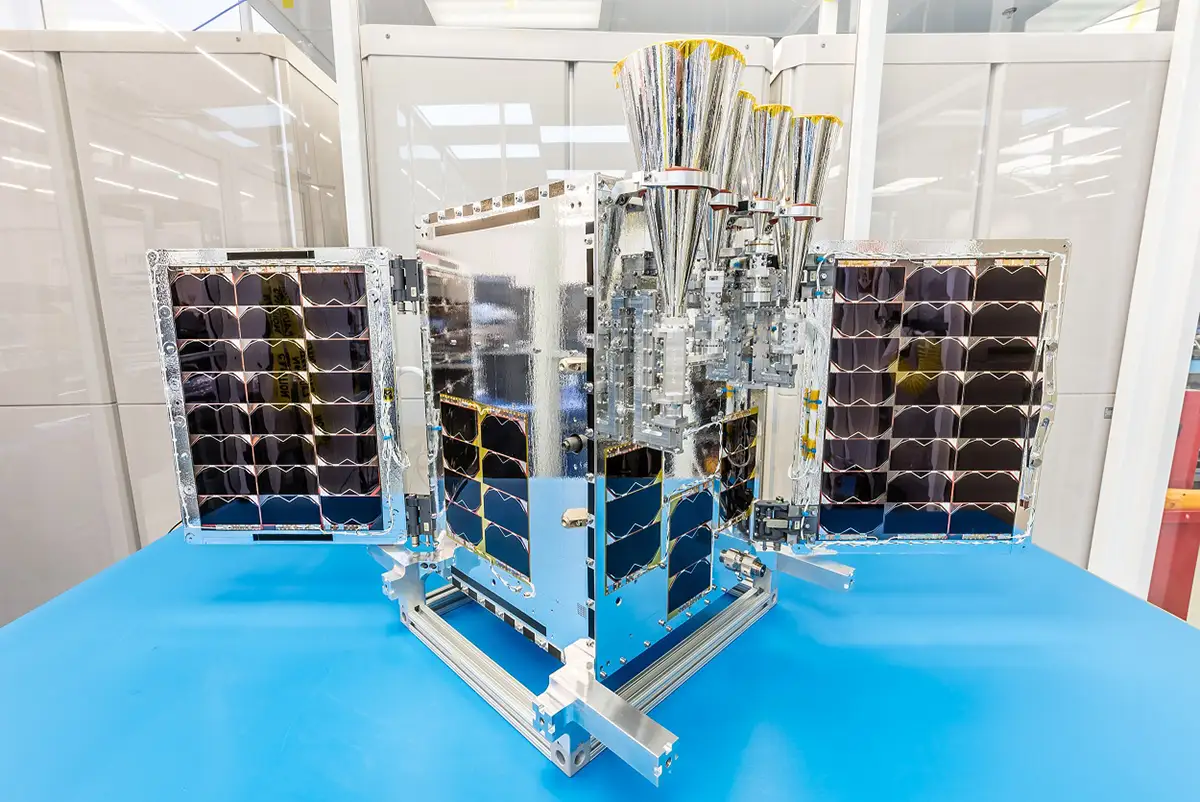
ESA successfully tested a new tool to safely deorbit defunct satellites that were designed before the development of current guidelines on reducing debris. On Friday, the agency performed an assisted reentry of its Aeolus wind-monitoring mission, which was not originally designed for a manual deorbit. “These manoeuvres were complex, and Aeolus was not designed to…
Chinese Satellite Achieves High-Speed Space-to-Ground Laser Comms
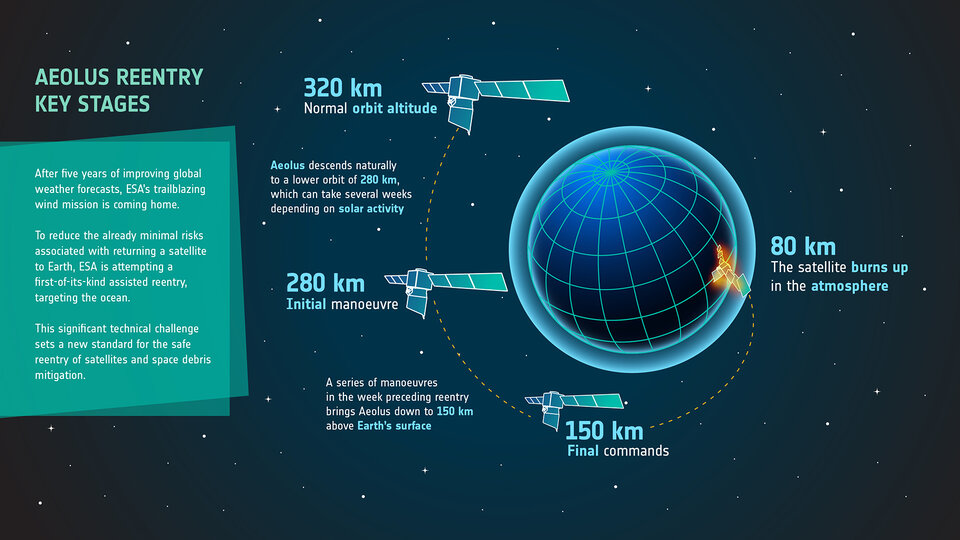
Chang Guang, a Chinese satellite operator, successfully achieved 10 Gbps satellite-to-ground laser communication via a Jilin-1 satellite, the company announced last week. The downlink speed surpassed a previous record of 1 Gbps via radio frequency connectivity. The first laser demonstration downlink included a satellite picture of Doha, Qatar. Beam me down, Scotty: Laser communication’s higher…

AST SpaceMobile Raises $59.4M, Stock Craters
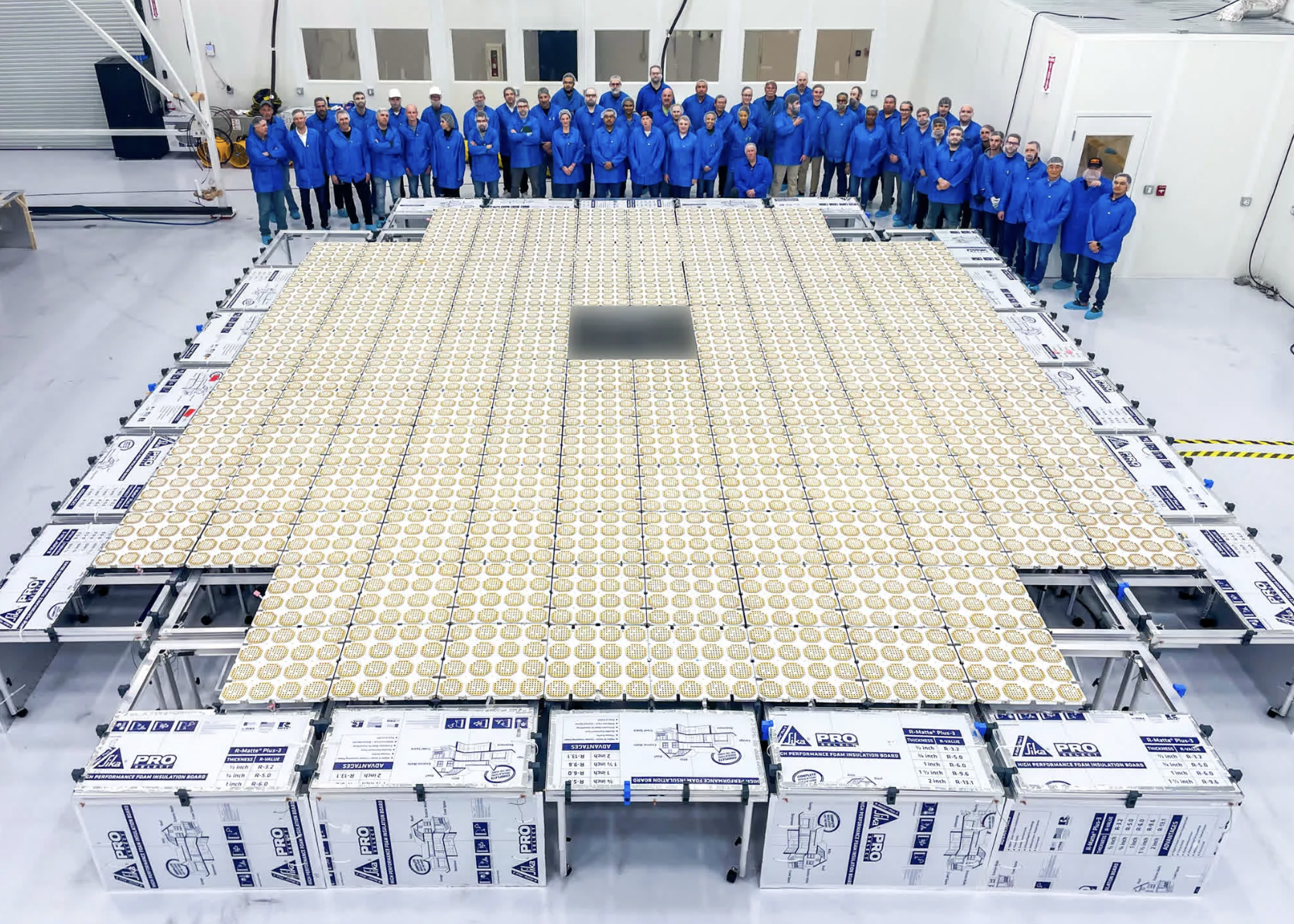
AST SpaceMobile ($ASTS) stock plunged nearly 30% this week after the cash-strapped company announced Tuesday it had raised $59.4M in a steep discount public offering. The satellite manufacturer sold 12.5M shares at ~$4.75 a pop, well below the ~$6.50 price tag the shares were trading at before the offering. Space → Mobile: The Odessa, TX-based…
Vast Partners with Impulse for Haven-1 LEO Station Propulsion
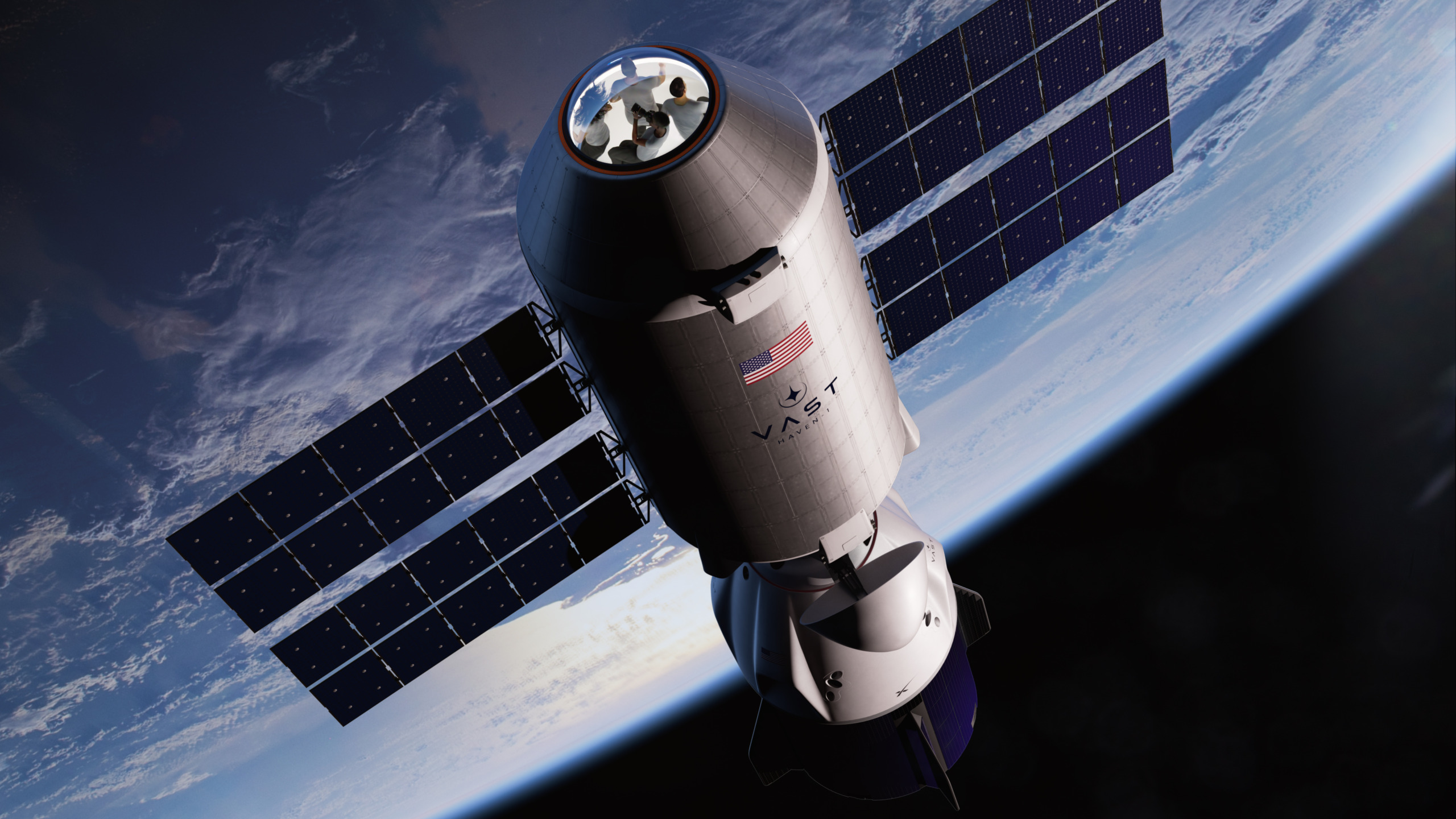
Space habitat startup Vast tapped Impulse Space to develop the propulsion system for its Haven-1 LEO space station. “Our qualified Saiph thruster is a perfect fit for Haven-1’s propulsion requirements. We look forward to collaborating with such a dedicated and like-minded team,” said Impulse chief Tom Mueller. Orbital workshop: Vast intends to deploy Haven-1 to…
Tomorrow.io Closes $87M Series E for Weather Satellites
Tomorrow.io, a weather intelligence and climate security platform, announced an $87M Series E funding round led by Activate Capital. The investment will be used to accelerate the deployment of its 20-bird constellation over the next 18-24 months. “We believe Tomorrow.io’s vertically integrated approach and satellite constellation will accelerate a paradigm shift in how millions around…

Roscosmos Reveals Details on the Russian Orbital Station Cosmonaut Program
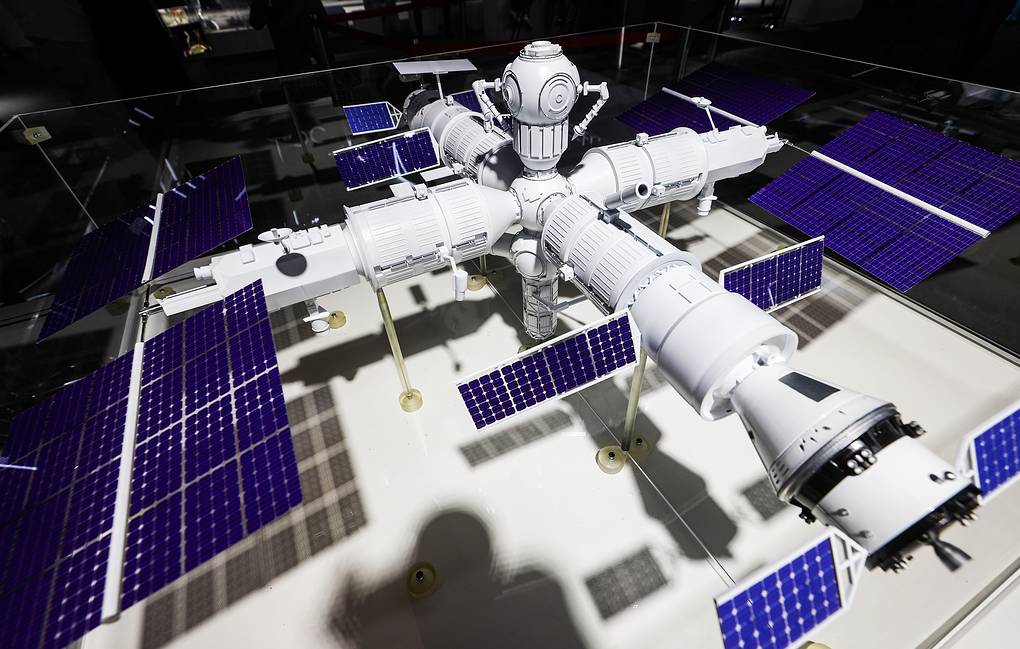
Russia will select the first cohort of Russian Orbital Station (ROS) cosmonauts by next year, officials announced last week. Development of the training program for the selected cosmonauts is expected to be completed by 2025. Russian Orbital Station 101: With the ISS set to deorbit by the end of the decade, Russia has proposed building…
Exclusive: TRL11 Raises $3M for Space Video
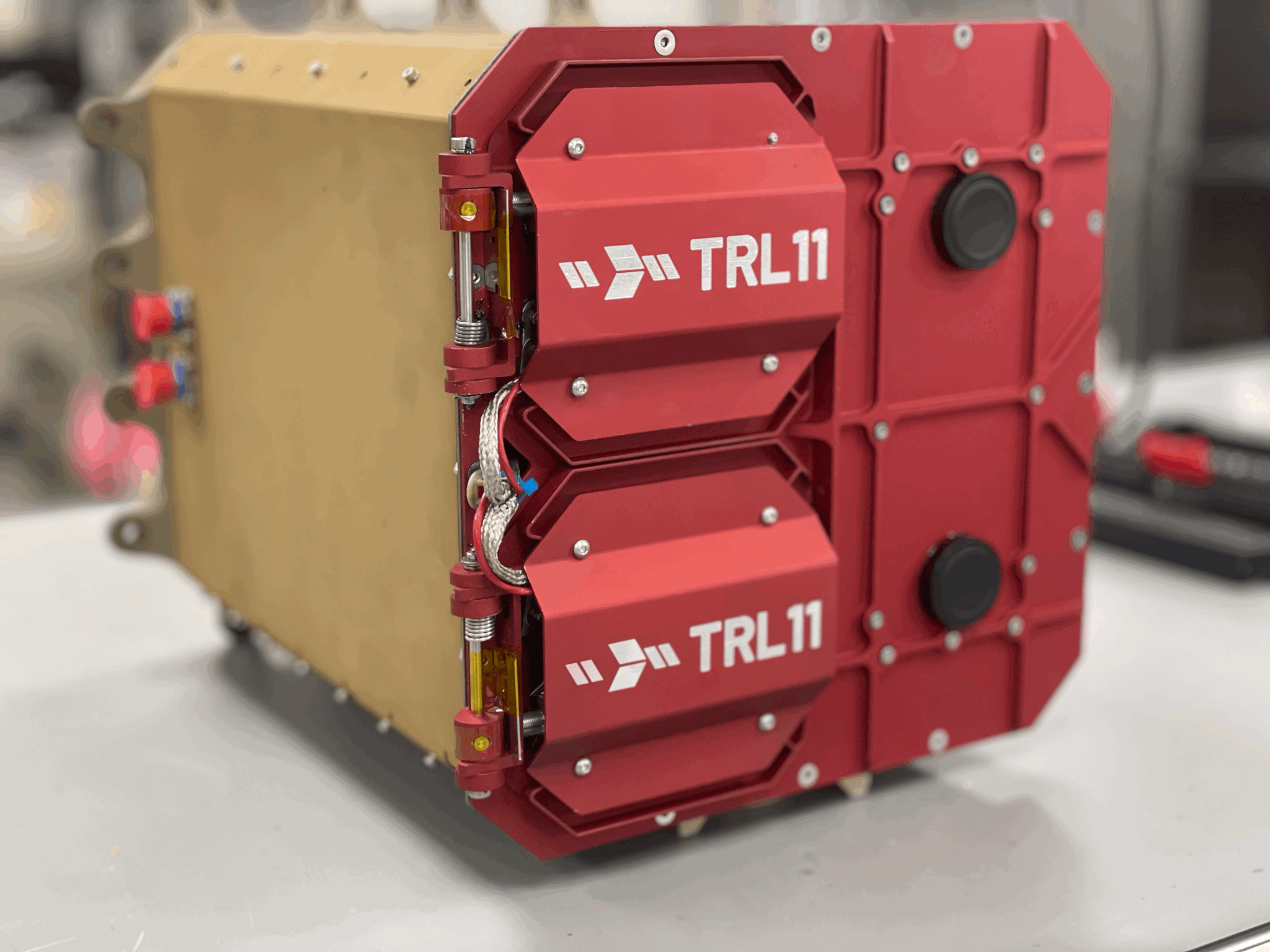
TRL11, a startup aiming to bring advanced video production and monitoring capabilities to the space domain, has raised a $3M pre-seed to scale up its team and production. Boost.VC led the round, which also included participation from Wonder VC, Anorak, Geek Ventures, Space Cadets, and several angel investors, including Launcher founder Max Haot. TRL11 101:…
Ax-2 Takes Off
The second-ever commercial astronaut mission to the ISS has embarked on its journey. Mission recap: Right on schedule at 5:37pm ET yesterday, the Axiom Mission 2 (aka Ax-2) crew of four successfully lifted off from KSC in a SpaceX Crew Dragon capsule atop a Falcon 9. The crew included: AlQarni and Barnawi will be the…

Exclusive: Albedo Forms a Strategic Advisory Board
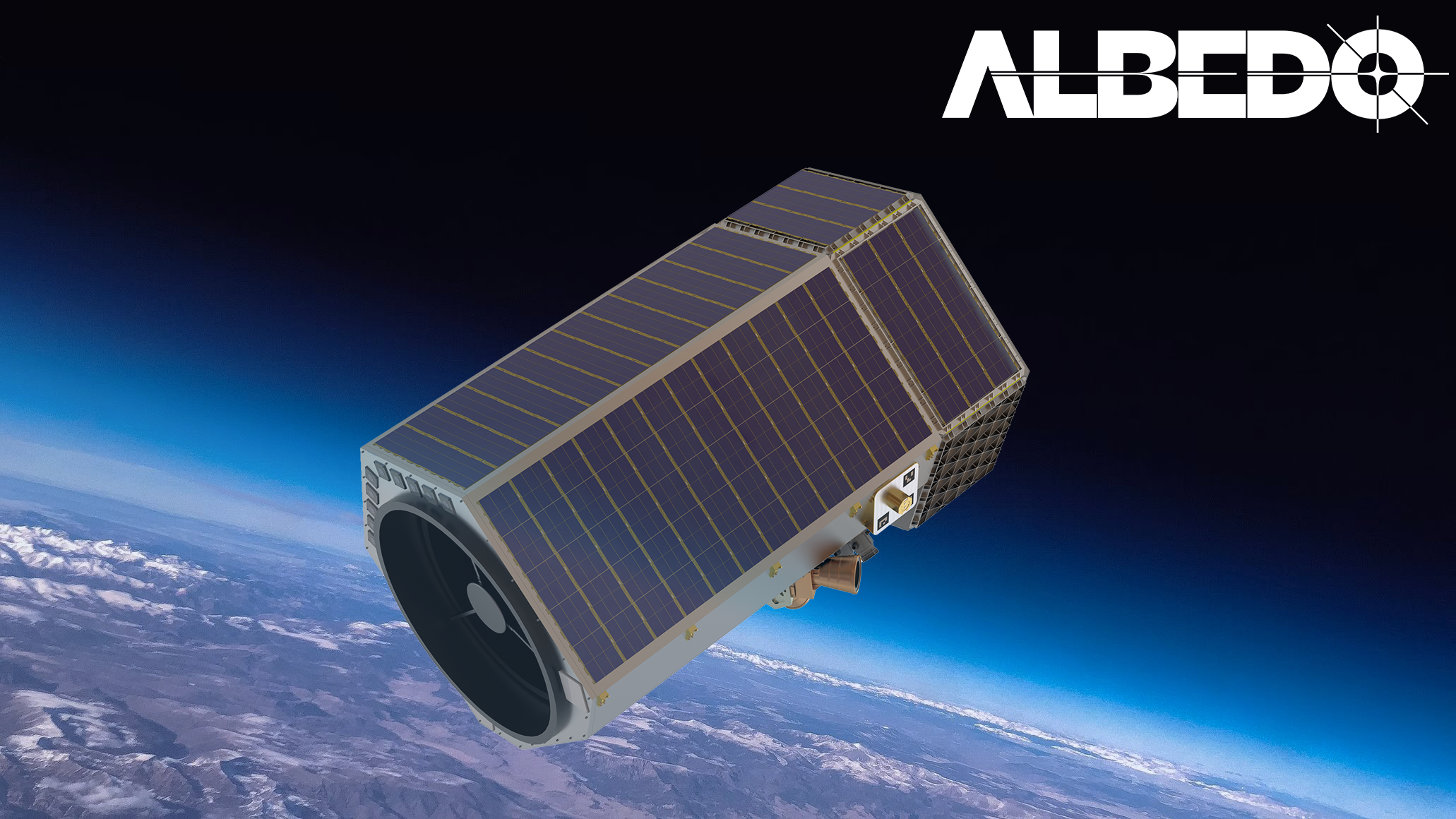
Albedo, a startup developing a VLEO constellation to collect high-resolution optical imagery from space, has formed a strategic advisory board of former senior intelligence and defense officials to aid the company in its bid to boost government business. The formation of this board “allows us to…strategize well and efficiently around engaging on the national security…
Vast Aims to Launch World’s First Commercial Space Station by 2025
Vast, a space habitation technology company, is planning to launch the world’s first commercial space station, Haven-1, into LEO by August 2025, the company announced Wednesday. Haven-1 will initially function as an independent crewed space station before connecting with a larger Vast space station currently in development. The station, which can accommodate up to four…
SpaceX Launches Transporter-7
Happy belated Transporter launch day to all who celebrate. At 2:48am Saturday, SpaceX launched the Transporter-7 mission on a Falcon 9, carrying 51 customer payloads to new homes in orbit. These rideshare missions are big days for small satellite companies that rely on the comparatively low cost to send their birds to orbit. On this…