


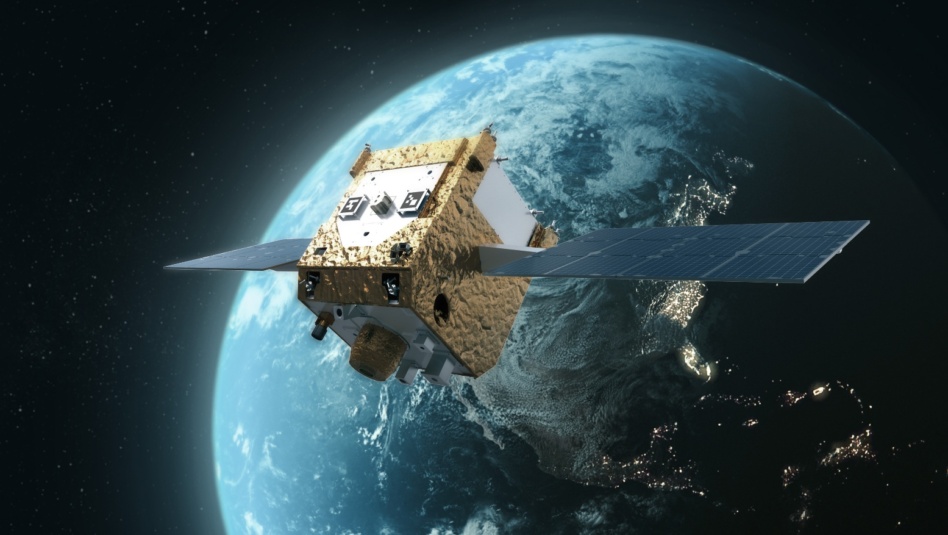
The Commerce Department unveiled its proposal for a streamlined licensing process, with a single application needed for those looking to reach orbit.
The plan is the latest step in the years-long saga surrounding mission authorization—or which agencies have regulatory authority over novel space missions that don’t fit into the existing framework.
How we got here: Multiple administrations have now tried to answer the question of mission authorization. In 2023, the Biden administration’s National Space Council released its proposal for regulating novel space activities, which split authorities between two departments.
- The FAA would have authority over in-space transportation and human safety in orbit aboard space stations.
- Commerce would have authority over all operations not dealing with people, including ISAM, debris removal, and SSA.
However, Congress proposed its own plan that would place authority for everything within Commerce. Though industry debated the dueling proposals, the effort to actually enact any change stalled.
Renewed effort: President Donald Trump signed an executive order in August directing agencies to take steps to increase competition in the commercial space sector. Part of that order directed the secretary of commerce to figure out a licensing regime for space missions not covered by existing regulations, to streamline the process for industry as much as possible.
The details: Under Commerce’s proposal, industry will apply once to get a newly created “Space Commerce Certification” for missions ranging from ISAM to lunar manufacturing.
- Other agencies—including the Commercial Remote Sensing Regulatory Affairs office, the FAA, and the FCC—will still have the legal authority to consider and approve space missions that deal with remote sensing, launch, and RF comms.
- However, Commerce will lead an interagency review process to get everyone’s sign-off, rather than forcing operators to work with multiple agencies.
Agencies will have 30 days to raise any objections about an application with Commerce —and no response will be taken as an approval. The department is aiming to issue the certification within 120 days of the application being submitted.
What’s next: Commerce’s proposal isn’t the last word. The agency is still looking for feedback from industry and other stakeholders before implementing the plan.
Lawmakers Question NASA’s Shifting Vision for CLDs
NASA Administrator Jared Isaacman proposed a new plan for America’s human presence in LEO that left many lawmakers scratching their heads.

SpaceX v. Amazon Heats Up at the FCC
In a world where regulatory filings can feel dull and dry, this case brings the drama—and the snark. Let’s walk through how these two satcom mega constellations are publicly dueling in a governmental arena.

FAA Ends Part 450 Transition Period
The FAA announced Tuesday that US launchers had all transitioned to the five-year-old licensing requirements, leaving no one still operating under legacy regulations.

Q&A With Laurent Jaffart, ESA’s Director of Resilience, Navigation and Connectivity
Jaffart is leading the charge to build up ESA’s defensive posture. Payload chatted with him to hear his plans for the new role.

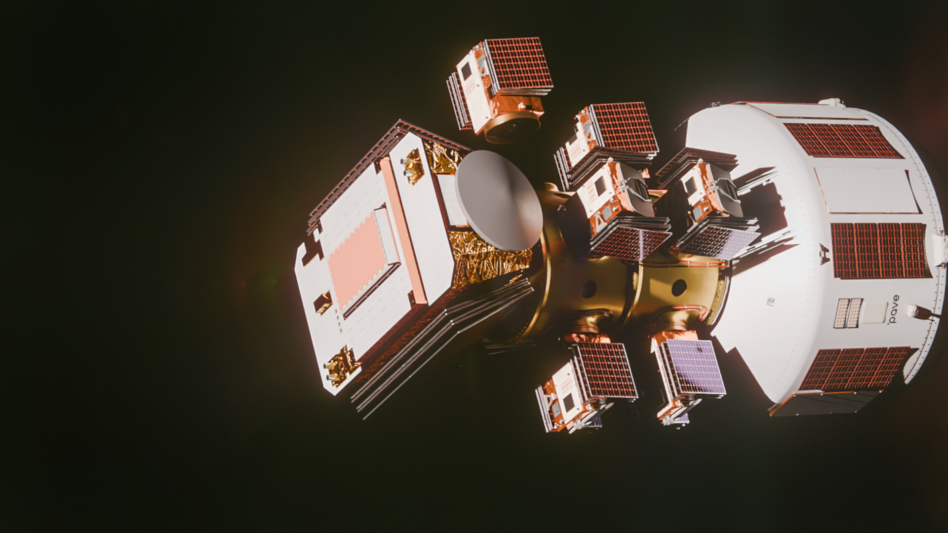
Swiss startup PAVE Space raised $40M in seed funding to bring a new line of propulsion systems and in-space capabilities to orbit.
Visionaries Club and Creandum led the round, with additional participation from Lombard Odier Investment Managers, Atlantic, SISTAFUND, b2venture, ACE Investment Partners, Ilavska Vuillermoz Capital, Pareto Ventures, and Motier Ventures.
It’s a big step up for the young company, which had only raised ~$2M ahead of the seed, according to CEO Julie Böhning.
Keep reading