


As the leader of the electrical engineering team at Muon Space, Garett Goodale’s work boils down to one question: How do you build systems flexible enough for every customer, which can be built fast and cheap enough to be profitable?
From sonic booms to startups: After graduating from the University of Central Florida, Goodale interned at SpaceX, where he spent late nights in electromagnetic-interference chambers testing live pyrotechnics.
“I was there in 2020, which is also when the Demo 2-launch went,” he said, referring to the first crewed mission of SpaceX. “The energy of the company was just really high. Everyone was extremely proud, so I got pretty hype on space after that.”
The lifelong pull Goodale felt toward the fast-moving startup world led him to join Anduril Industries in 2022, where he oversaw the development of Mobile Sentry—a mobile platform that uses AI, radars, and sensors to detect and track objects autonomously.
Engineering for adaptability: Now at Muon, Goodale’s electrical engineering team is tackling the hardest problem he sees: building highly adaptable systems without compromising profit or efficiency.
“We’re more integrated with a customer. That’s what makes it hard on our side, is that we still need to compete on costs,” he said. “We need to build these missions quickly and cheaply, but our customers also want customization.”
What’s next? While Goodale is focused now on helping Muon dominate the LEO market, his long-term goal is to start his own company.
“That’s not on the immediate horizon, but I think there’s still a lot of problems to be solved in the hardware space. I think there will be a lot of interesting opportunities there.”

Clémence Cambourian, Latitude
As a customer mission lead at French launcher Latitude, Clémence Cambourian turns rocket concepts into real missions—while keeping customers at the center.
Thomas Santini, Lodestar Space
As the cofounder of Lodestar Space, Santini is building in-space, bodyguard-like technology to protect and defend UK and Western defense assets in orbit.
Nikita Shetti, Viasat UK
“It’s good to get the big picture of the satellite, both pre-launch and post-launch as well,” Shetti told Payload. “It definitely fixed the jigsaw puzzle.”

Darren Charrier, KSAT
“Helping our species become interplanetary seems like the best thing you can do with your life,” Charrier told Payload. “Every step of my career…kind of zigzags, but keeps going towards that.”

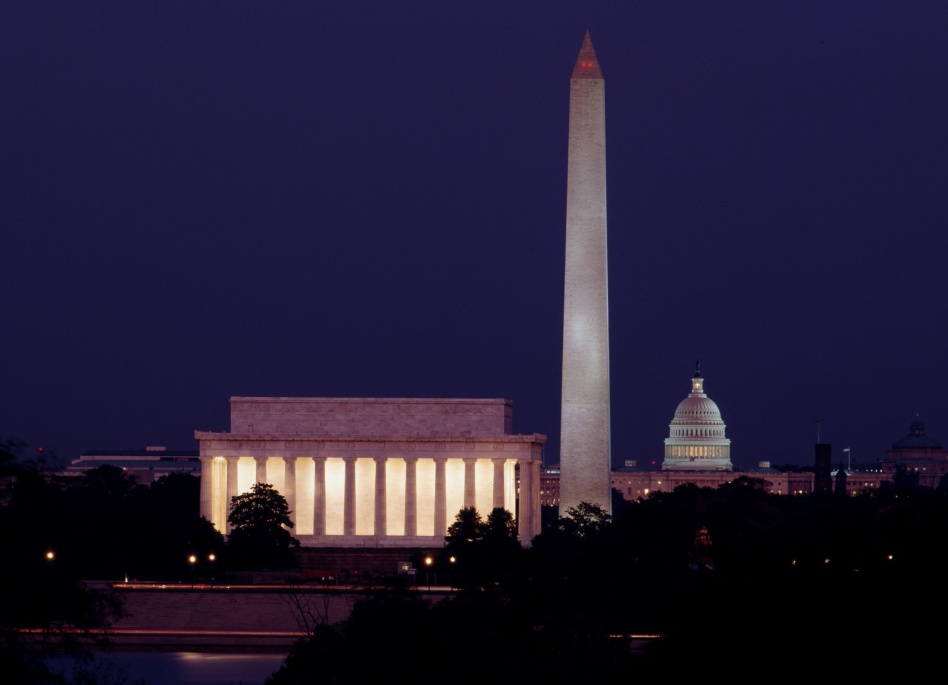
A new entity is trying to bridge the language gap between space startup execs and policymakers.
Station DC, a non-profit tech incubator in DC’s Union Market neighborhood, opened its doors last month just before the US government shutdown. Its mission is simple: Connect policymakers and builders in the same room to shape the future of American technology competitiveness, especially in the space industry.
Challenges in DC: “Policymakers on the Hill, and space startups, from Chantilly, Colorado, Alabama, and elsewhere speak in different languages”, said Zachary Kirstein, head of growth at Northwood Space. Kirstein added that his company has struggled to fully communicate ground infrastructure to Congressional staffers in 10-15 minute Hill meetings.
Keep reading