

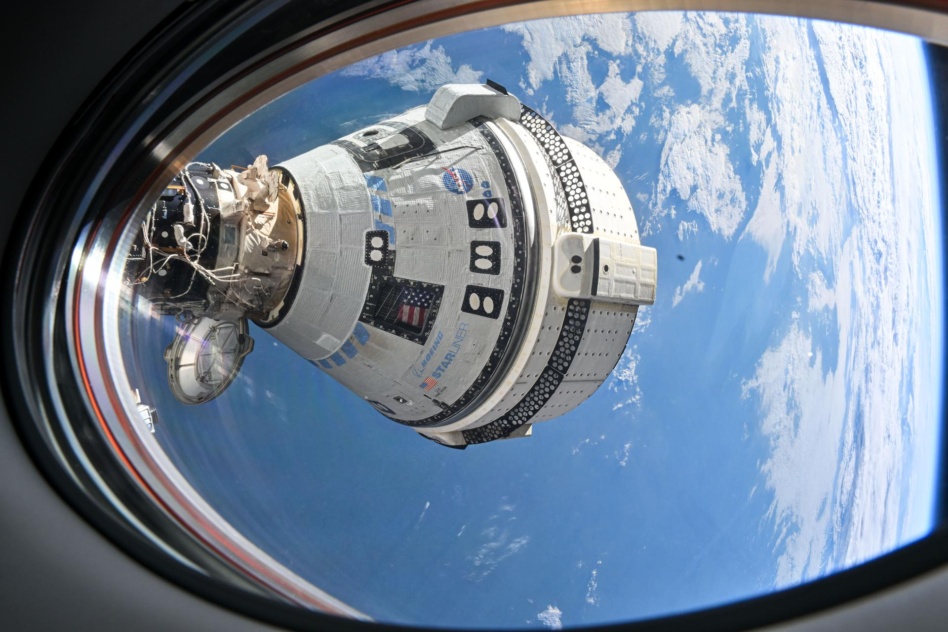
NASA failed to protect two astronauts during the debut Boeing Starliner astronaut flight that launched in 2024, senior agency management said Thursday.
“The most troubling failure…is not hardware. It is decision-making and leadership that, if left unchecked, could create a culture incompatible with human spaceflight,” NASA Administrator Jared Isaacman said during a livestreamed press conference.
“The agency failed [the astronauts],” added Associate Administrator Amit Kshatriya. (Both Isaacman and Kshatriya were not in their positions at the time of the flight.)
The NASA senior leaders also together pledged that the next uncrewed Starliner test— scheduled to launch in April—will only launch when ready, even if a delay is necessary.
A quick recap: NASA’s Crew Flight Test (CFT) aboard Boeing’s Starliner capsule launched two NASA astronauts—Butch Wilmore and Suni Williams—to the ISS. Starliner had serious thruster problems on two previous uncrewed tests, but Boeing and NASA said the craft was ready.
While Starliner was approaching the ISS on June 6, 2024, five of Starliner’s 28 thrusters didn’t work properly, though four were eventually resurrected to enable a safe docking.
After months of troubleshooting, NASA determined it could not fix Starliner in space, and returned the spacecraft uncrewed that September. Williams and Wilmore were switched to a SpaceX Crew Dragon for their return March 18, 2025, nine months after launch.
Boeing’s response: Boeing did its own detailed investigation, according to a 300-page CFT report released Thursday, which found programmatic and technical issues were either not known or resolved before the crew flight.
Boeing “has made substantial progress on corrective actions,” according to a statement released Thursday.
Sharing the blame: The report criticized NASA for its “hands-off approach” during Starliner’s development, and blamed Boeing for its oversight of systems engineering and subcontractors.
Altogether, the results were serious. The report notes CFT may qualify for the most serious “Type A” classification mishap at NASA. But given the astronauts did recover control of their spacecraft during ISS approach, the report says we could also call the flight a “high visibility close call.”
Q&A With Lunar Base Manager Carlos Garcia-Galan
At the start of last week, Carlos Garcia-Galan was working on NASA’s program for a lunar-orbiting habitat. Last Tuesday, however, he became the person overseeing the space agency’s ambitious plan to build a lunar surface base at record speed. During last week’s Ignition event at NASA HQ, Payload sat down with Garcia-Galan, the program executive…
Jared Isaacman Hits 100 Days In Office With a Bang
NASA Administrator Jared Isaacman has one message: Get in, we’re going to the Moon.
NASA Priorities Get a Major Makeover
NASA Administrator Jared Isaacman had a vision for a robust, commercially driven lunar economy, supported by surface infrastructure. Now, he also has a plan.
Isaacman Plans Monthly Uncrewed Lunar Landings In 2027
“We are going to plus up for Moon base construction in a huge way,” said during an interview with Spaceflight Now that was released late Friday night.

The fate of the NASA authorization bill being considered by Congress now could be a make or break moment for the budding space nuclear power sector, according to one company.
How we got here: On Feb. 4, the House Science, Space, and Technology Committee unanimously passed the NASA Reauthorization Act of 2026, which included amendments to:
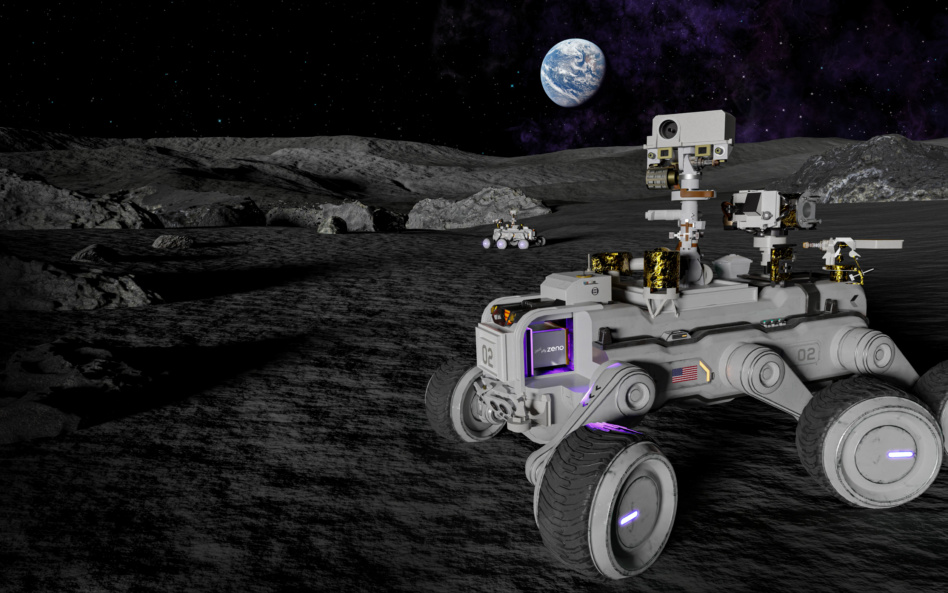
The bill still has ways to go before it becomes law, including being considered and approved by the House committee’s counterpart in the Senate, and passing both chambers. But for companies like Zeno Power, a startup building radioisotope power systems to help keep hardware operational during the lunar night, the bill reaching the president’s desk is a potential watershed moment.
Keep reading