
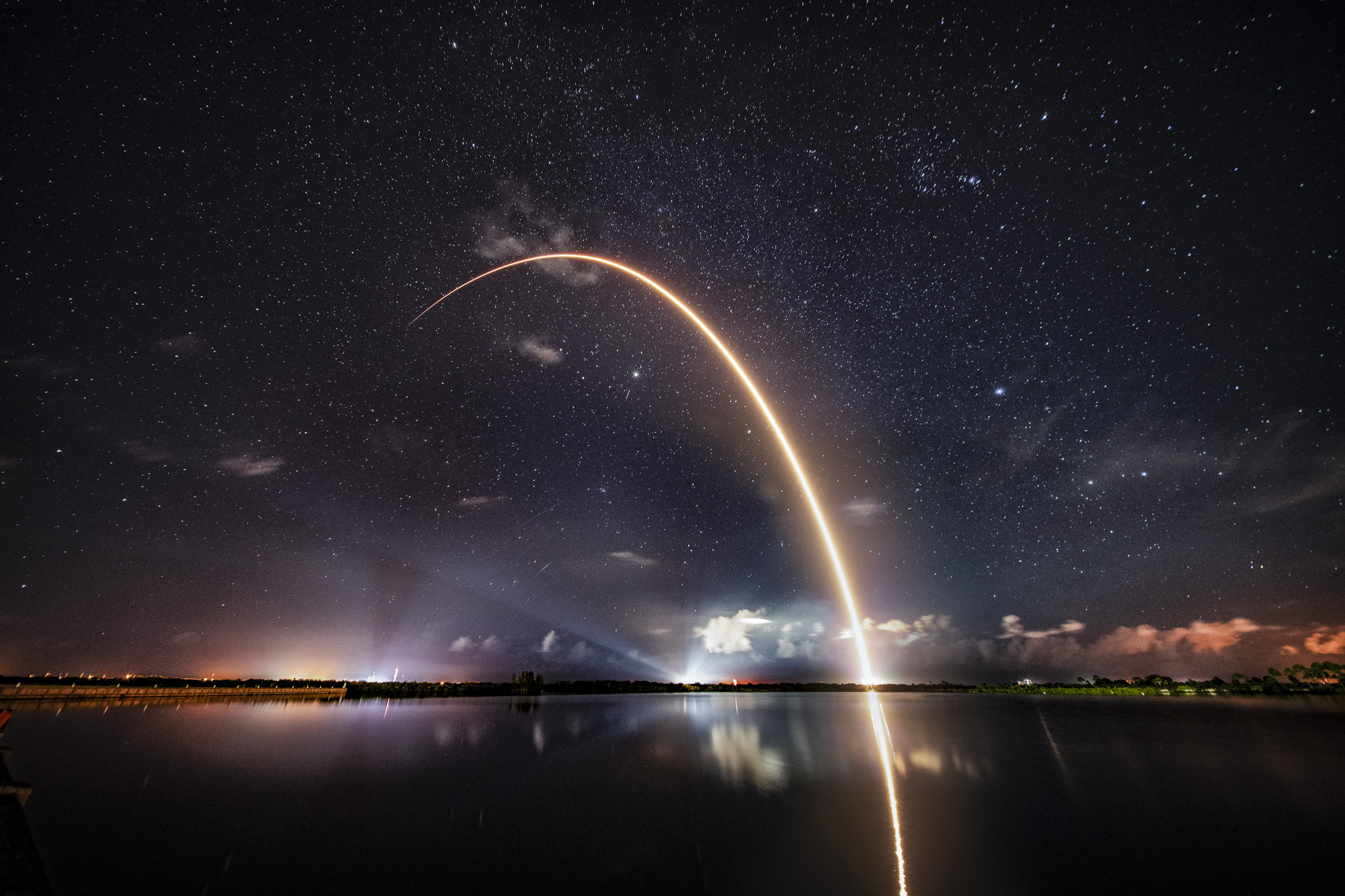
FAA Ends Part 450 Transition Period
The FAA announced Tuesday that US launchers had all transitioned to the five-year-old licensing requirements, leaving no one still operating under legacy regulations.
The FAA announced Tuesday that US launchers had all transitioned to the five-year-old licensing requirements, leaving no one still operating under legacy regulations.
“The Space Force is woefully short of the resources required to hold adversary space systems at risk, and is not ready to operate in a contested environment even though conflict with a major adversary will likely begin in space,” the report says. “While most of its current capabilities are highly effective in an uncontested environment, the Space Force lacks the capacity and capability to be ready for conflict in space.”
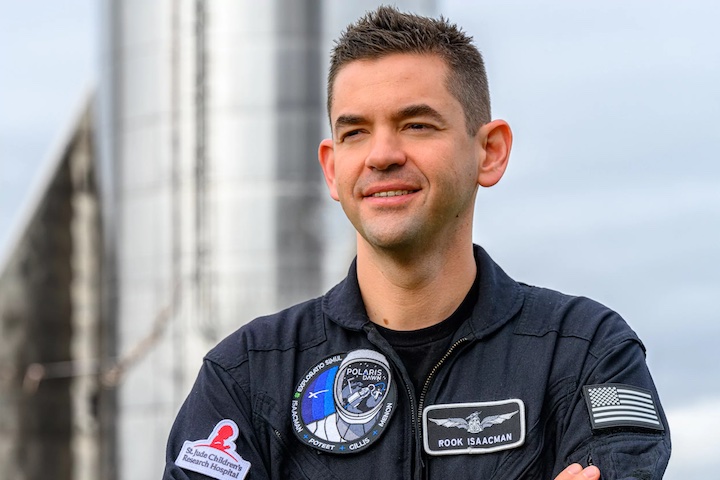
Jared Isaacman is just over 60 days into his tenure as NASA administrator, and he’s already getting rave reviews from one space leader on Capitol Hill. Rep. Mike Haridopolos (R-FL), who chairs the House space subcommittee, commended the entrepreneur-turned-astronaut-turned-NASA-chief for sharing the space agency’s mission with the public—and energizing a NASA workforce in which morale…
“Getting back to the Moon means getting back to the basics,” he wrote. “NASA must regain its core competencies in technical, engineering, and operational excellence.”
York filed a motion asking to dismiss its protest on Jan. 28—one day before going public on the NYSE.
It’s time for the tug of war over the location of US Space Command headquarters to end for the sake of America’s military space mission, according to multiple Colorado Springs, CO-based groups.
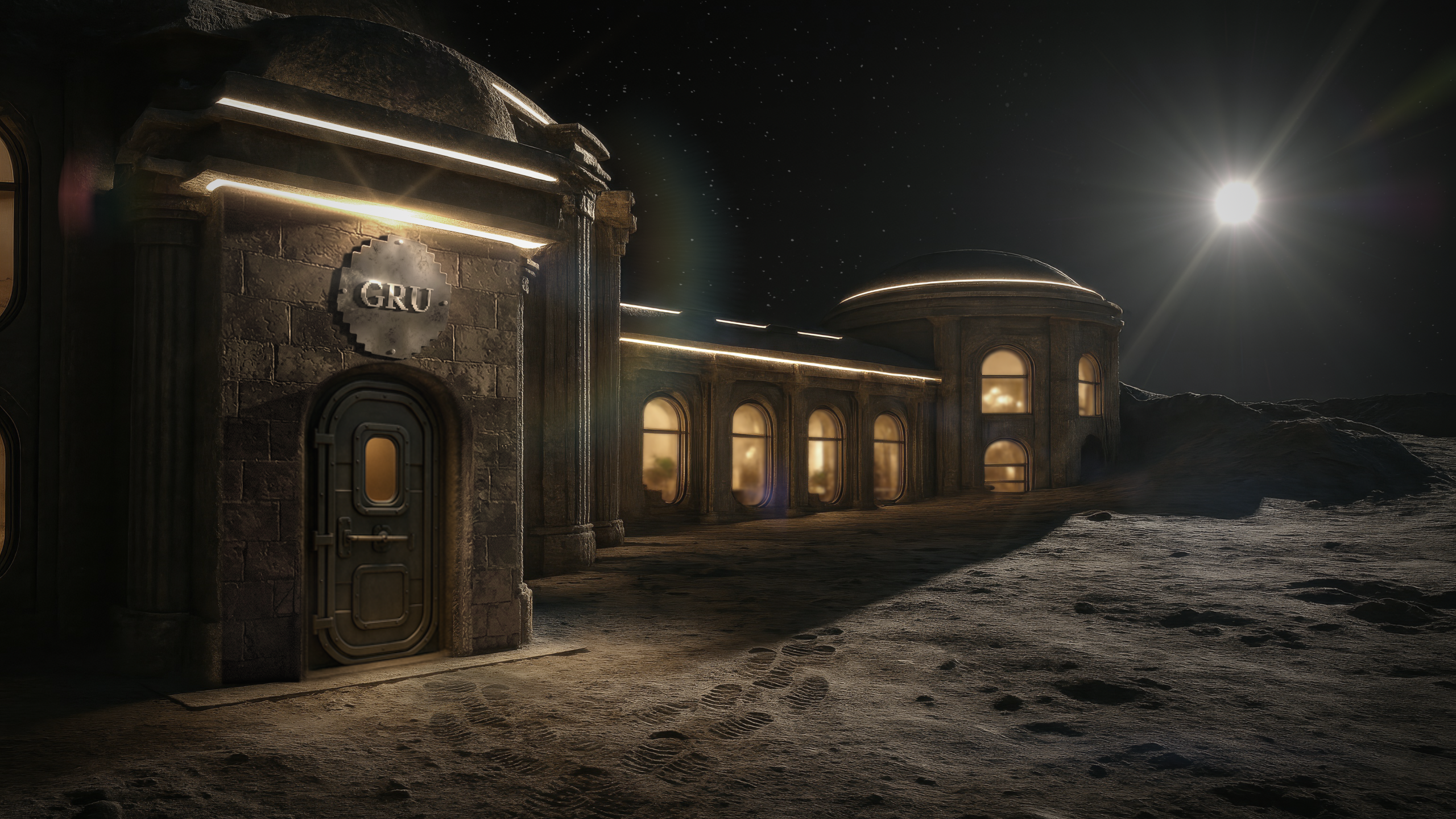
Aspiring lunar tourists can place a $1M deposit to reserve a spot in the company’s planned lunar hotel, which aims to open its airlocks in 2032.
NASA is starting off the year hot, with a positive budget proposal—as well as a permanent administrator at the helm, after nearly a year of interim leadership.
Between budget cuts, staff reductions, and leadership changes, it’s been a chaotic and unpredictable year for the space agency.
The space community has long known that the ISS agreement has a 2030 expiration date. But this year, headlines about the end of the station—and debates about America’s presence in LEO—have shifted the focus beyond 2030 to the companies building Commercial LEO Destinations (CLD) vying to be the station’s successor.
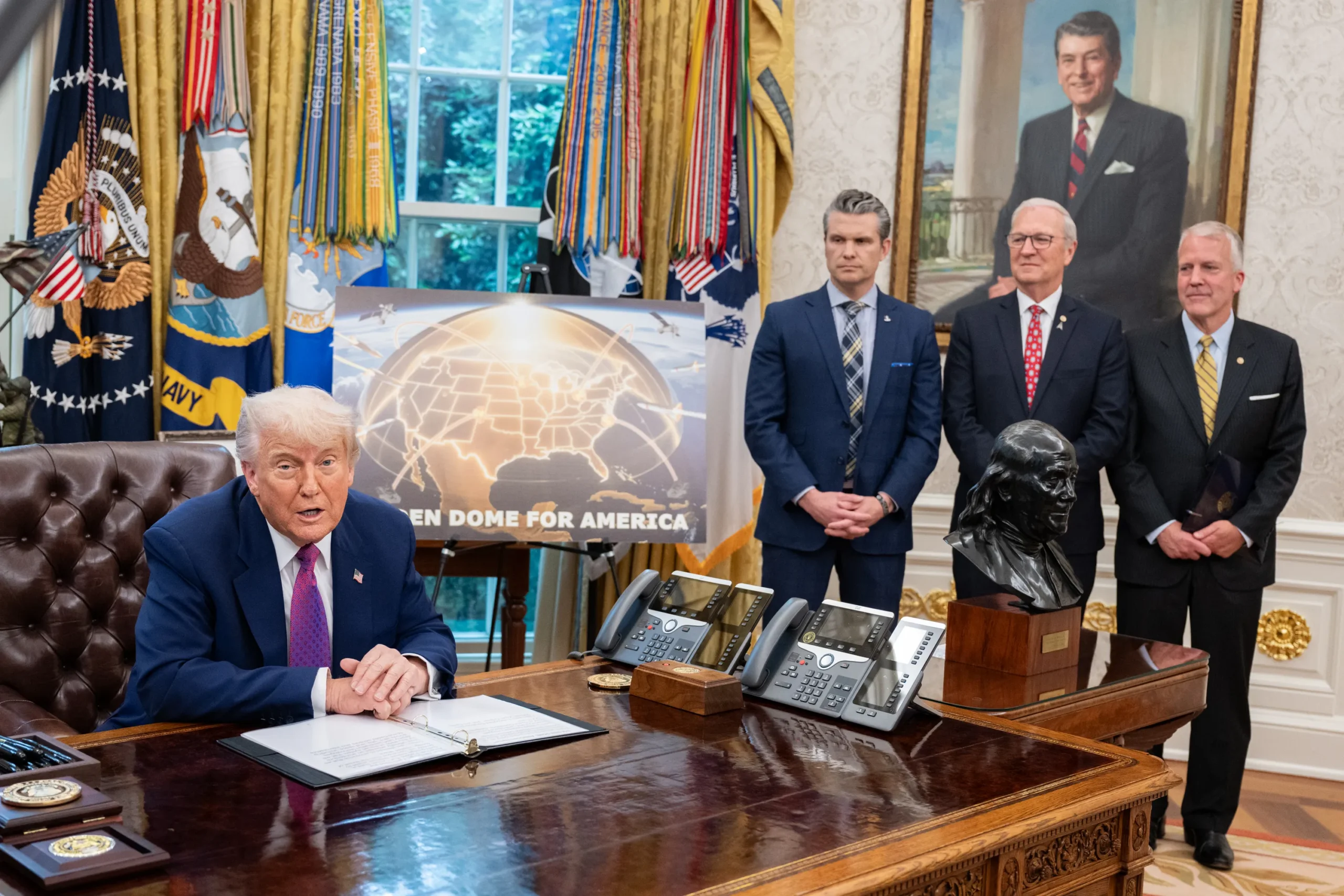
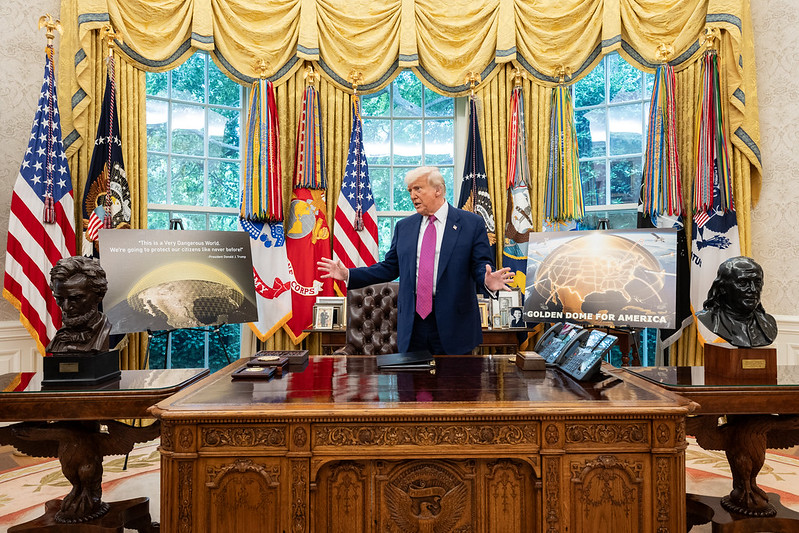
In 2025, Golden Dome captured the attention of the space industry. It drove hundreds of millions in venture funding, sparked the creation of new hardware (or at least new marketing specifically targeting the program), and secured $25B from Congress.
A year ago, it didn’t exist.
House and Senate negotiators unveiled the compromise fiscal 2026 National Defense Authorization Bill on Monday, which would codify President Donald Trump’s Golden Dome missile defense program into law.
OSC will evaluate how to integrate Leolabs data into its TraCSS to extend LeoLabs’ orbital alert capabilities to the commercial sector.

In-depth research, exclusive data, and expert analysis on the business and policy of space. Get ahead of the competition.
Get Access Now