


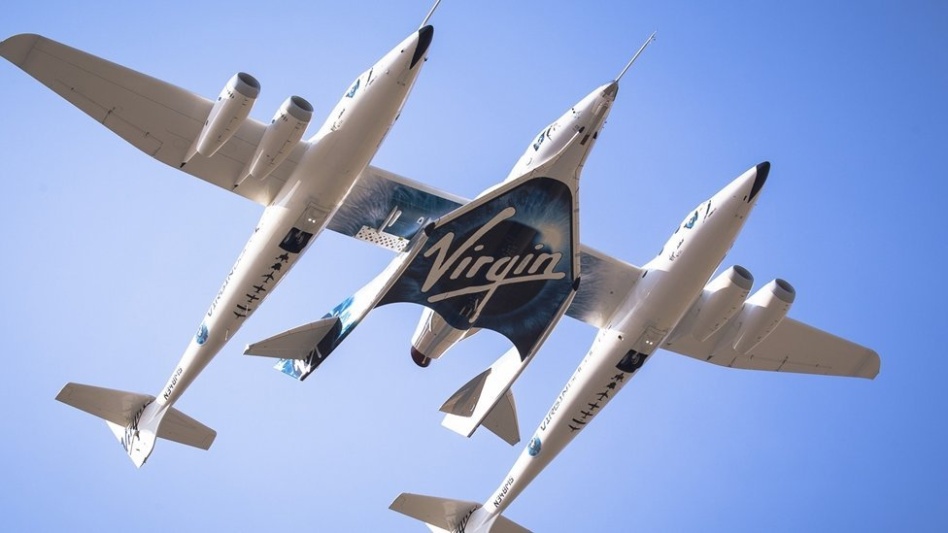
Virgin Galactic (NYSE:SPCE) announced its Q4 and FY 2021 results after market close yesterday. A few key numbers from Q4 results:
- $141,000 in revenue
- Losses of 31 cents per share
- Adj. EBITDA losses of $65M
- Net loss of $81M
The company had $931M in cash, cash equivalents, and marketable securities as of the end of 2021.
Company losses were lower than expected, but so were earnings. Virgin Galactic is hoping to bounce back this year with more ticket sales for its commercial astronaut tourist flights and beginning commercial service for several new vehicles in the coming year.
- In January, Virgin Galactic offered $425M in convertible bonds, increasing gross proceeds, which it reported would be used for R&D on its Delta class spaceship along with other G&A matters.
Looking forward: Virgin Galactic is working to implement updates before beginning commercial flights later this year.
- Virgin Galactic has sold about 750 of 1,000 available tickets, CEO Michael Colglazier said yesterday. Tickets recently went on sale to the general public at a price point of $450,000.
- The company is also working on a fleet enhancement program for “mothership” Eve and spaceship Unity, which is targeted for completion in Q3 2022.
BlackSky Renews HEO Deal, Adds Gen-3 Imagery for Space Domain Awareness
BlackSky Technology inked a seven-figure deal to extend its partnership with Australian non-Earth imaging (NEI) provider HEO for another year.

Nebex Partners with Thrusters Unlimited to Unlock $700M for LATAM Space Ecosystems
The capital will fund EO, telecoms and other strategic capabilities, according to Nebex.

Exclusive: Meridian Space Spins Out from SpinLaunch
“Meridian will carry forward the satcom infrastructure business… SpinLaunch will continue to build on its vision for a lower-cost approach to launch, with further applications in hypersonics to support the Golden Dome program and in the lunar economy,” Meridian Space CEO Massimiliano Ladovaz told Payload.
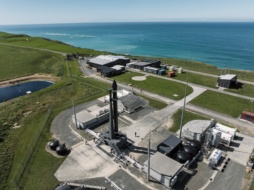
Rocket Lab CFO Adam Spice Predicts More M&A Deals on the Horizon
Iridium shareholders voted overwhelmingly to approve the company’s acquisition by Rocket Lab. According to Rocket Lab CFO Adam Spice, there’s more M&A on the horizon.

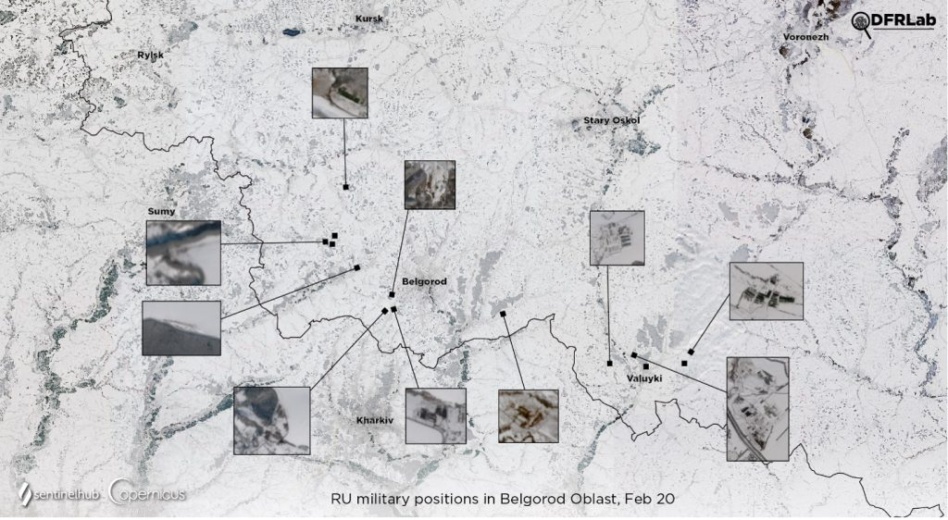
Intelligence agencies have their own tactics and techniques to follow the latest military developments near Ukraine. But spies aren’t inclined to share all that classified information with the rest of us.
Satellite imagery, along with other sources like social media posts and video geolocation/metadata, enable open-source intelligence (OSINT) analysis from publicly available data. Coupled with extra legwork from analysts, reporters, and open-source sleuthers, this data means that anyone who wants to follow along doesn’t need to be left in the dark.
The space angle: Commercial satellite imagery in particular has made it impossible for Moscow to conceal a military buildup in Belarus and forces massing near Ukraine’s border in recent weeks. Reuters, the BBC, the NYT, and countless other newsrooms have tapped a glut of imagery from space to track the latest developments nearly in real-time.
Keep reading