


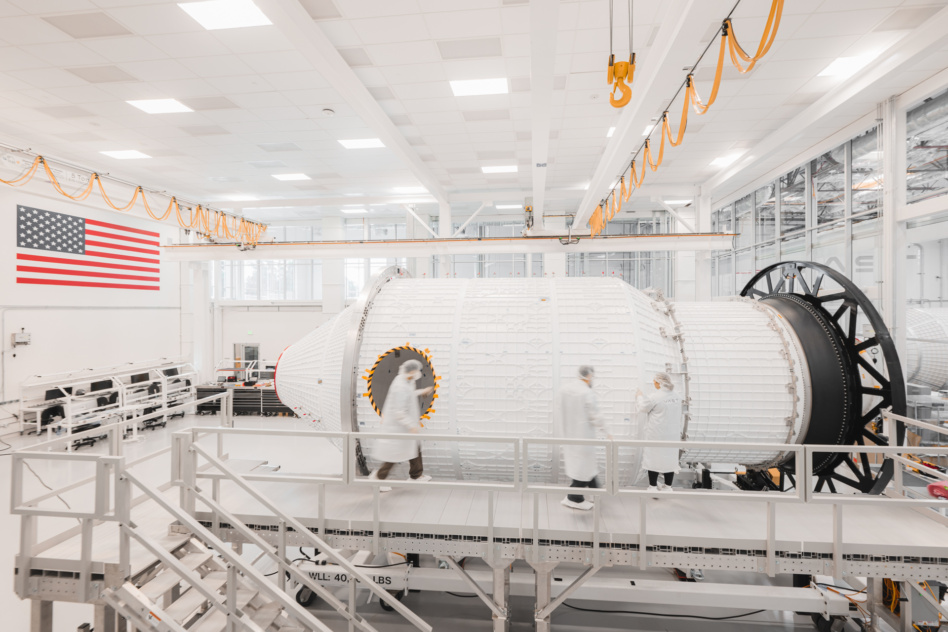
Vast has delayed the launch of its commercial space station until next year, the company announced on Tuesday.
Haven-1, which was expected to launch in 2026, will now launch no earlier than Q1 2027—and it could be significantly longer before the station gets its first crew.
The station is expected to be able to host a max of four commercial astronauts for missions lasting up to two weeks. SpaceX’s Dragon capsule will bring astronauts to the station (and provide the station’s life support and power)—and Vast CEO Max Haot said crewed flights won’t start until the launcher is confident in the station’s safety.
“We have to basically convince SpaceX, both contractually and with many verification events, that it will be safe to dock Dragon. And if they agree with the data we provide them, they will put a fully trained crew on board Dragon and bring them up. It could be as early as two weeks after [Haven-1’s launch], and it could be as late as any time within three years, which is a lifetime of Haven-1,” Haot told Ars Technica.
Milestones: Vast also announced it had begun the first phase of Haven-1’s integration, including installation of critical systems such as thermal control and life support. The second phase will integrate more hardware, including avionics and navigation systems, while the third phase will add crew habitation details and protection from micrometeorites.
The company said it is on track to finish all three phases of integration and complete environmental tests this year.
Race to LEO: If Vast’s new timeline holds, it still has a chance to be the first commercial space station in LEO—though the single-module Haven-1 would also be the smallest of its competitors initial offerings. Axiom Space and Starlab are planning to launch two module stations in 2028 and 2029, respectively.
Vast’s second space station, Haven-2, is expected to include multiple modules, with an aim to offer a continuous crew presence in LEO to fill the void left by the ISS’ retirement.
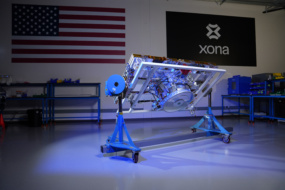
Exclusive: Xona Ramps Up Production Ahead of Pulsar Launch
With FCC approval in hand and six sats ready for the pad, Xona is turning to its next challenge: building the next 250.
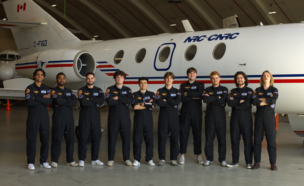
Icarus Robotics Completes Parabolic Flight Test Ahead of ISS Mission
Icarus Robotics completed a four-flight parabolic test campaign of its free-flying robot—named Joy—in preparation for its first ISS mission in 2027.
TrustPoint Taps EnduroSat to Build 40-sat GNSS Constellation
EnduroSat will build a 40-sat constellation for TrustPoint, the startup building a commercial GNSS service, the companies announced today.
Slingshot’s Portal Adds New AI-Powered Missions
Slingshot Aerospace announced it is adding new capabilities to its Portal platform to help operators better monitor that crowded environment.
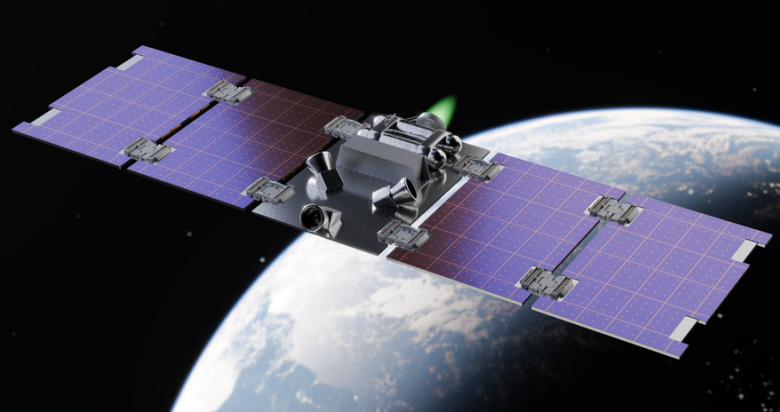
San Francisco-based Samara Aerospace has closed a $10M seed round to help bring more stability to sats in orbit.
Balerion Space Ventures led the round, with funding announced in December. The seed also included participation from Illinois Ventures, MFV Partners, and Access Venture Partners.
Meet the tech: Satellites today generally use reaction wheels to position themselves in orbit. However, that legacy tech causes satellites to vibrate and jitter, risking blurry images and degrading accuracy.
Keep reading