


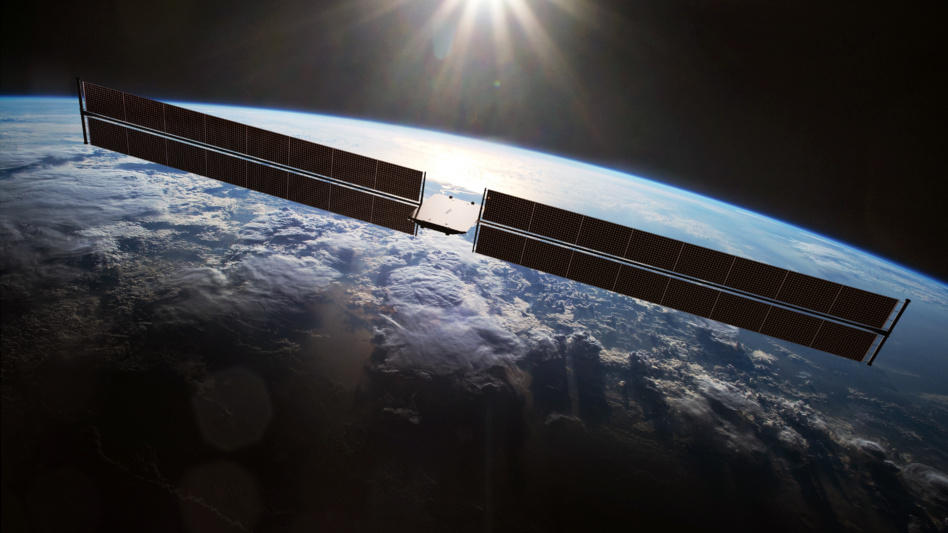
Vast is getting into the bus business.
The commercial space station company announced this morning that it would start selling satellite buses, specifically targeting the low-cost, high-volume, high-power niche for missions from comms, to EO, to national-security programs. Vast also plans to offer customers the option to add NVIDIA’s Vera Rubin Space-1 module to the bus for missions including orbital data centers, AI edge compute, and autonomous space operations.
Vast already has its first customer for the 15-kW-class bus—an unnamed client who will buy four sats, but who has the option to buy up to 200 more.
“Successful space companies are always diversified,” CEO Max Haot told Payload. “It was always in our plan to diversify, and we always felt that the satellite platform was a really great fit.”
Haot said the new business line is not tied to proposed changes announced in March to NASA’s commercial space station procurement, as the ISS nears the end of its service.
Cross over tech: Haot said that most of the bus tech—including batteries, flight computers, sensors, flight software, and GNC—has already been vertically integrated as part of the Haven-1 space station program. Many pieces of the future bus also already have flight heritage, after flying on the company’s Haven Demo mission to LEO last year.
“We’ve been working for three years on a high powered satellite bus that just has humans inside,” he said.
There are just two new pieces of tech that will be required for the bus, Haot said:
- High power, low cost solar arrays;
- Electric propulsion.
However, Haot said those capabilities would be necessary for Haven-2, so they were already in development.
What’s next: Vast intends to launch its first 10 satellites in late 2027. In the meantime, it’s going to be adding to its new dedicated satellite team, which is expected to grow from 10 to ~50 people next year.
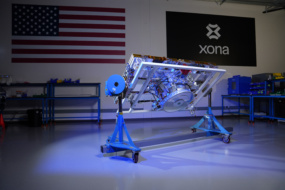
Exclusive: Xona Ramps Up Production Ahead of Pulsar Launch
With FCC approval in hand and six sats ready for the pad, Xona is turning to its next challenge: building the next 250.

Nebex Partners with Thrusters Unlimited to Unlock $700M for Mexico’s Space Ecosystem
The capital will fund EO, telecoms and other strategic capabilities, according to Nebex.
Exclusive: Meridian Space Spins Out from SpinLaunch
“Meridian will carry forward the satcom infrastructure business… SpinLaunch will continue to build on its vision for a lower-cost approach to launch, with further applications in hypersonics to support the Golden Dome program and in the lunar economy,” Meridian Space CEO Massimiliano Ladovaz told Payload.
Rocket Lab CFO Adam Spice Predicts More M&A Deals on the Horizon
Iridium shareholders voted overwhelmingly to approve the company’s acquisition by Rocket Lab. According to Rocket Lab CFO Adam Spice, there’s more M&A on the horizon.

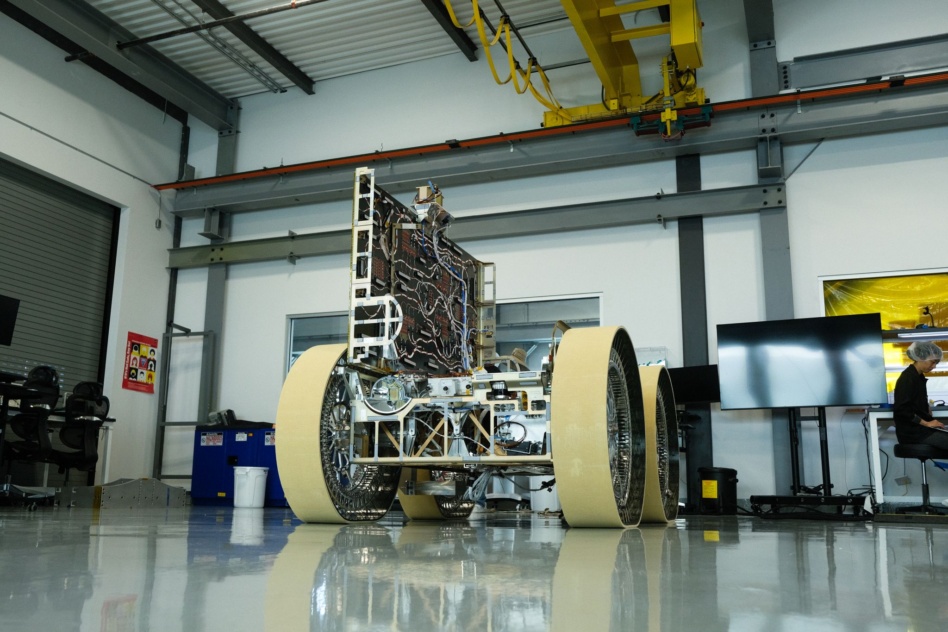
Astrolab is headed to the Moon this year with a rover-load of science payloads that will help future explorers better understand conditions at the lunar South Pole.
The company revealed some of the payloads flying onboard its FLEX Lunar Innovation Platform (FLIP) rover, including NASA funded research projects to study regolith and map the lunar surface.
Relative scale: As Astrolab’s first mission to the lunar surface, FLIP will act as a building block for larger vehicles to fly more extensive missions in the years ahead. In addition to delivering NASA and commercial payloads to the Moon, the rover will also be collecting vital in-situ data to help Astrolab build toward its larger, more complex Flexible Logistics and Exploration (FLEX) rover.
Keep reading