


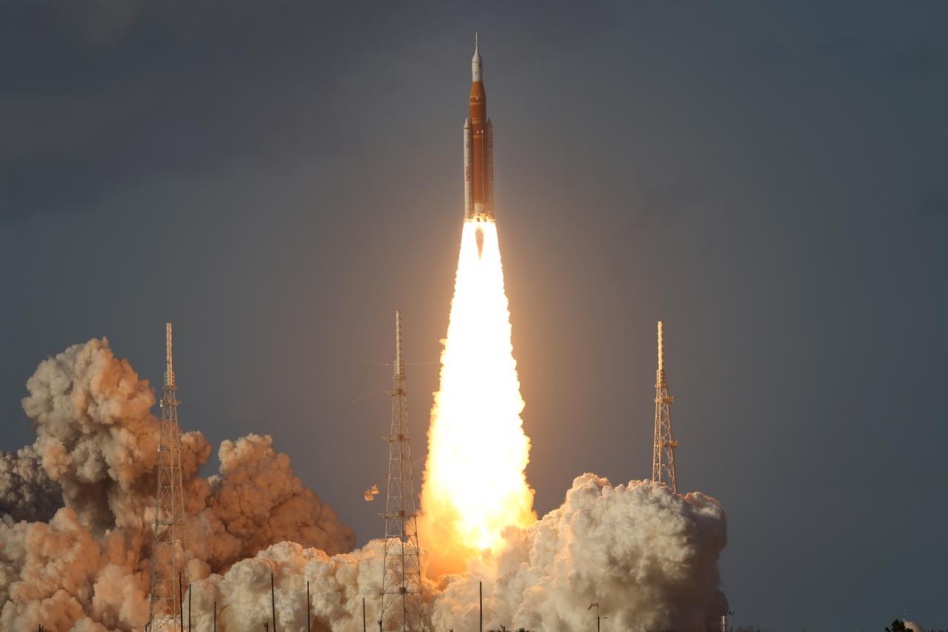
NASA has released its plan for the third installment of the Artemis campaign.
Artemis III, expected to fly in 2027, will bring astronauts to LEO to test capabilities that will be necessary for the planned Moon landing in 2028. While Artemis II made headlines venturing into deep space past the Moon, Artemis III is staying closer to home to give the team opportunities to interact with both SpaceX’s Starship Human Landing System pathfinder, and Blue Origin’s Blue Moon Mark 2 pathfinder.
“Artemis III is one of the most highly complex missions NASA has undertaken,” Jeremy Parsons, NASA’s Moon to Mars acting assistant deputy administrator, said in a statement. “We’re integrating more partners and interrelated operations into this mission by design, which will help us learn how Orion, the crew, and ground teams all interact together with hardware and teams from both providers.”
Play by play: The overall structure of the Artemis III mission is as follows:
- SLS will launch the Orion spacecraft from KSC, carrying four astronauts to LEO;
- SLS will carry a “spacer” to stand in as the upper stage that would fly on a lunar journey;
- Once in space, Orion’s European Service Module will provide propulsion to get the spacecraft into LEO;
- The crew will remain on orbit for an unspecified longer period than Artemis II’s 10-day lunar flight, to further test the spacecraft’s life support system;
- Orion will attempt to dock with at least one commercial lander from Blue Origin and SpaceX, and astronauts could potentially enter at least one lunar lander demo vehicle during the mission;
- NASA will also test an upgraded heat shield on reentry, which has been designed to support a wider range of reentry profiles for future missions.
Strength in numbers: Like past Artemis flights, NASA isn’t going at it alone. The agency has put out the call for partners to supply comms capabilities, since the LEO mission won’t have access to the Deep Space Network used on lunar journeys. (The ISS uses the Tracking and Data Relay Satellites to stay in contact with Earth, but there may be a capacity issue.)
NASA is also seeking requests for partners interested in flying Cubesats on the mission to deploy in LEO.
Known unknowns: While the mission is still coming together, there are multiple questions that remain unanswered by the current outline, including who the astronauts will be, specifically when the mission will fly, what science will ride onboard, and whether Artemis III will include a demo of Axiom’s AxEMU spacesuits.
Intuitive Machines Bets on Lunar Comms with Goonhilly Buy
Intuitive Machines is going all-in on lunar comms. Yesterday, Intuitive Machines announced a definitive agreement to acquire UK-based Goonhilly Earth Station, as well as Goonhilly’s US subsidiary COMSAT, to expand the lunar company’s offering in deep-space comms and PNT. “Customers have been clear that they want a single, integrated, and resilient solution for their communications…
Payload Field Guide: Lunar Rovers
As NASA and its partners push harder toward a sustained human presence on the Moon, mobility is mission-critical. Moon buggies with lawn chairs might’ve been good enough for the Apollo-era, but long-term surface operations depend on lunar rovers that can pull their weight (quite literally). For decades, lunar rovers were the domain of national space…

Isaacman Continues to Defend Budget Cuts to Congress
The hearing also gave Isaacman a chance to provide more detail on the agency’s top objective: accelerate the US return to the Moon.

Lawmakers Promise to Reject Proposed NASA Cuts—Again
“I simply do not believe that this budget proposal is capable of supporting what President [Donald] Trump himself has directed the agency to accomplish,” Babin said.
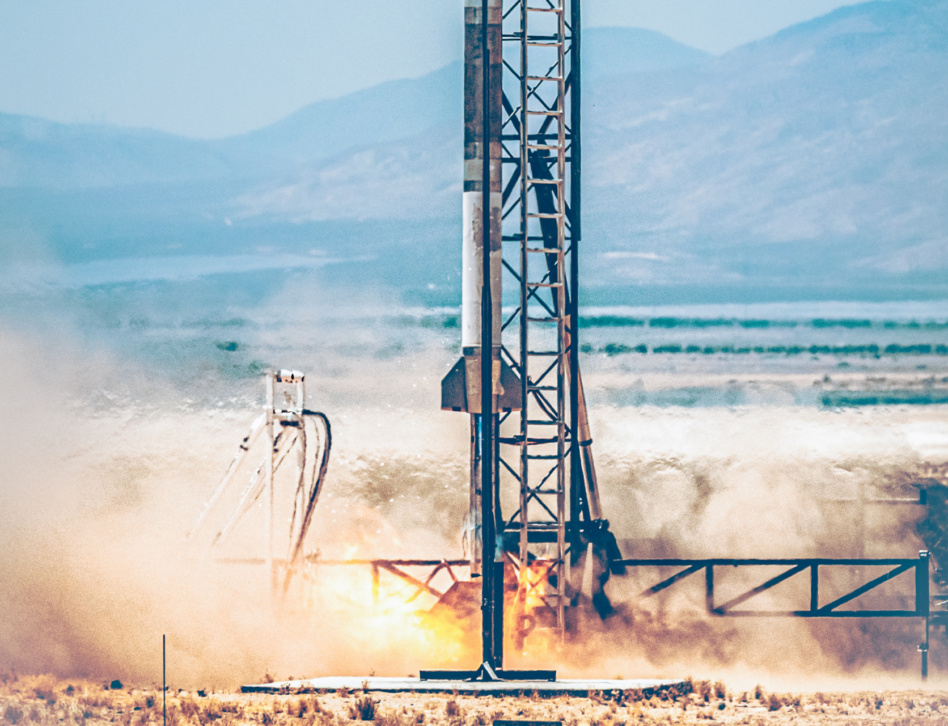
There’s a new launcher in town.
CO-based startup LEAP notched a successful first flight of its Bullfrog suborbital launch vehicle over the weekend, opening the door for up to four more flights this year. It marks one of the first major steps towards a 2028 first flight of its upgraded orbital launch vehicle, called Bighorn.
First time for everything: Bullfrog lifted off from the Friends of Amateur Rocketry pad in Mojave, CA on Sunday, demonstrating a wide array of new tech for the first time, including:
Keep reading