


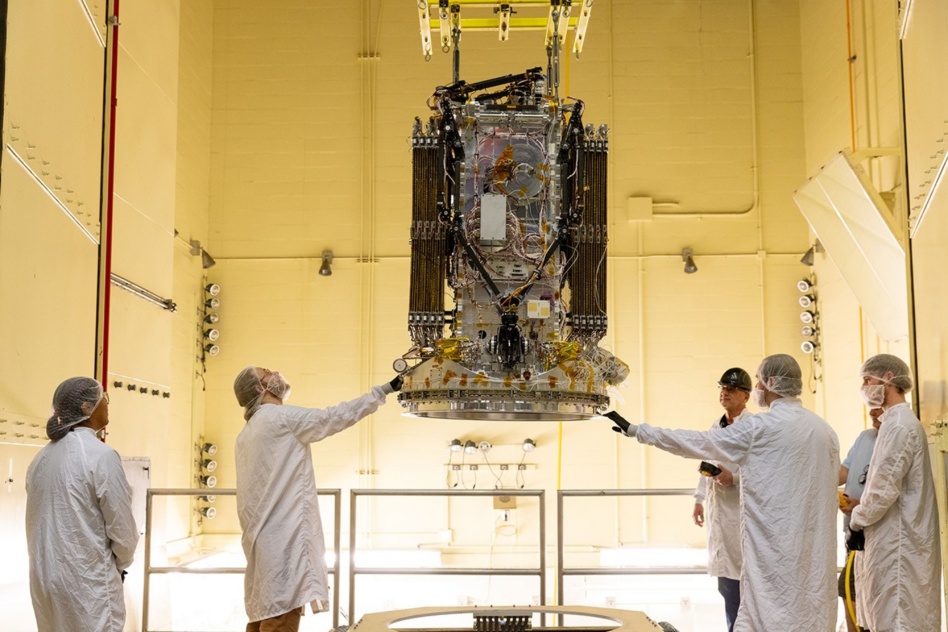
Katalyst Space announced $12M in funding yesterday to support the development of its first GEO-capable robotic servicing spacecraft—called NEXUS—which is scheduled to launch its debut mission on an Arianespace Ariane 6 rocket in 2027.
Geodesic Capital led the round, which included participation from Fortitude Ventures and other undisclosed sources.
Level up: Katalyst’s first GEO mission in 2027 will be preceded by a mission closer to home, launching this month.
As part of a $30M NASA contract, awarded in September, Katalyst will use its LINK robotic spacecraft to rendezvous and dock with NASA’s Neil Gehrels Swift Observatory. The mission will provide a boost for the orbital telescope, which would otherwise fall back to Earth later this year. LINK has been integrated onto Northrop Grumman’s Pegasus XL rocket, and is scheduled to launch on June 27 from Northrop Grumman’s Stargazer aircraft.
NEXUS will have the same robotic RPO capabilities as LINK, but with double the power, mass and Delta-V, according to Katalyst CEO Ghonhee Lee.
For the 2027 flight to GEO, Katalyst has three different missions planned with the same spacecraft to demonstrate its range of in-space servicing capabilities:
- NEXUS will rendezvous with the Space Force’s Rooster satellite and install Katalyst’s SIGHT module, which offers SDA capabilities.
- After leaving Rooster, NEXUS will then conduct additional SDA and RPO missions for the US government, using its SHIELD deployable inspection module.
- For its final trick, NEXUS will dock with a commercial GEO satellite to provide life-extension services—Katalyst is in the final stages of signing a contract with the customer for this part of the mission, according to Lee.
Margin call: With NEXUS, Katalyst is hoping to prove that the possibilities for in-space servicing are much broader than relatively routine life-extension missions.
“I want us to move away from conversations around life extension as synonymous with satellite servicing,” Lee said. “If you’re going to do any of these things in space, whether it’s orbital data centers, or you’re going to build out lunar infrastructure…you need robotics that can manipulate the environment.”
After NEXUS-1, Katalyst plans to deploy a fleet of NEXUS spacecraft to orbit—with the aim of providing multiple revenue-generating services with each sat, resulting in larger margins for each spacecraft.
“The economics on the [GEO] missions are better because you have the density of spacecraft all in one orbital plane,” Lee said. “So it’s very easy for us to load many customers onto a single mission…the margins on the business are quite spectacular.”

Satlyt Raises $8M Seed to Expand Its Virtual ODC Network
Satlyt was founded in 2024 by Afullo, an alum of SpaceX and Google who spent years trying to convince both companies to invest in in-space edge computing opportunities.

Space Insurer Charter Space Raises $5M Seed Round
You can bundle your home and auto insurance with the click of a button, but covering your spacecraft has traditionally been a little trickier.
Blackswan Space Raises €2.5M Seed to Fund RPO Kit Demo
The round comes as Blackswan gears up for its first in-orbit mission of its RPO Kit payload.
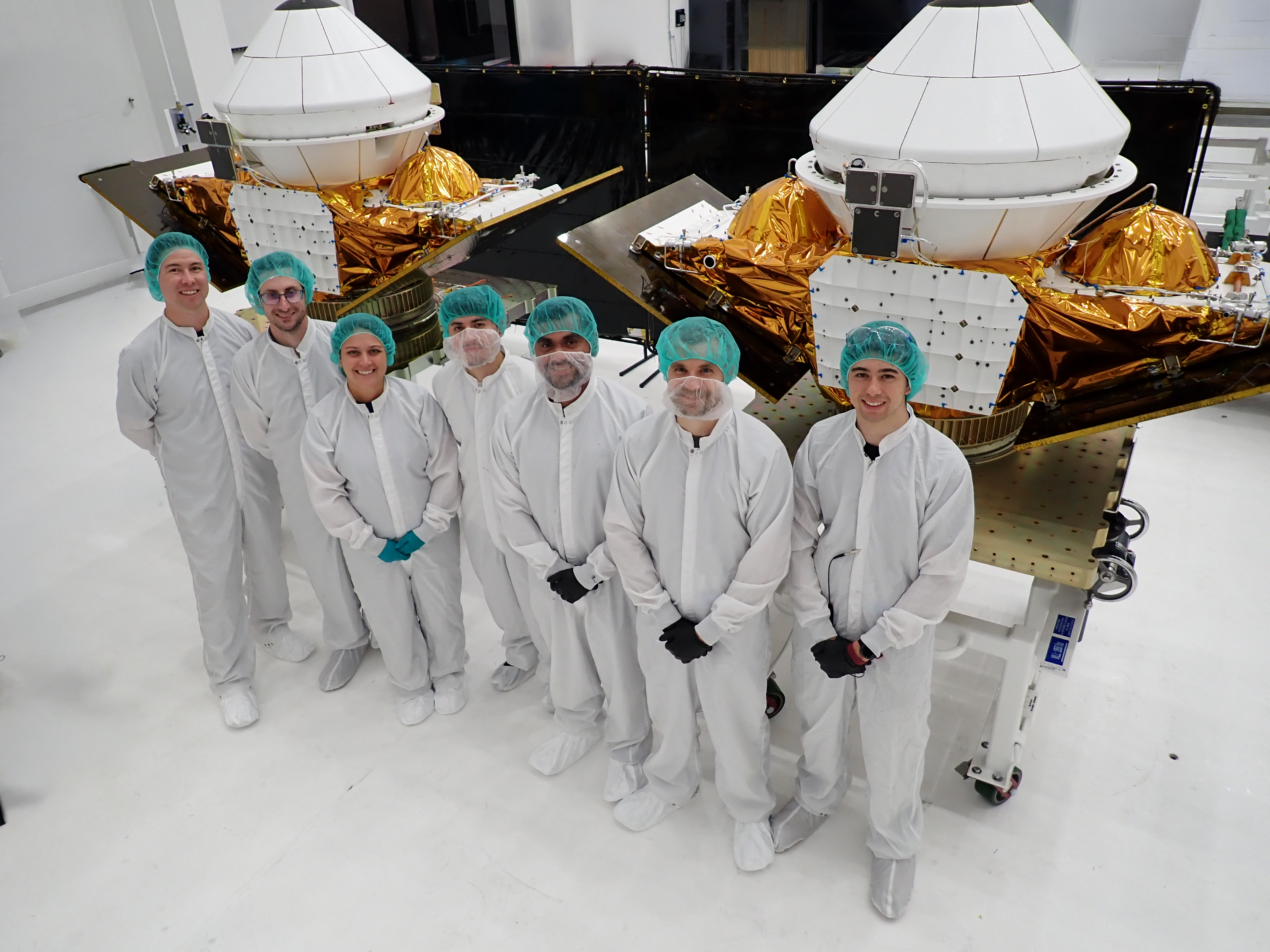
Varda Raises $251M Series D
Lux Capital and Natural Capital led the round, which valued the company at $1.6B.

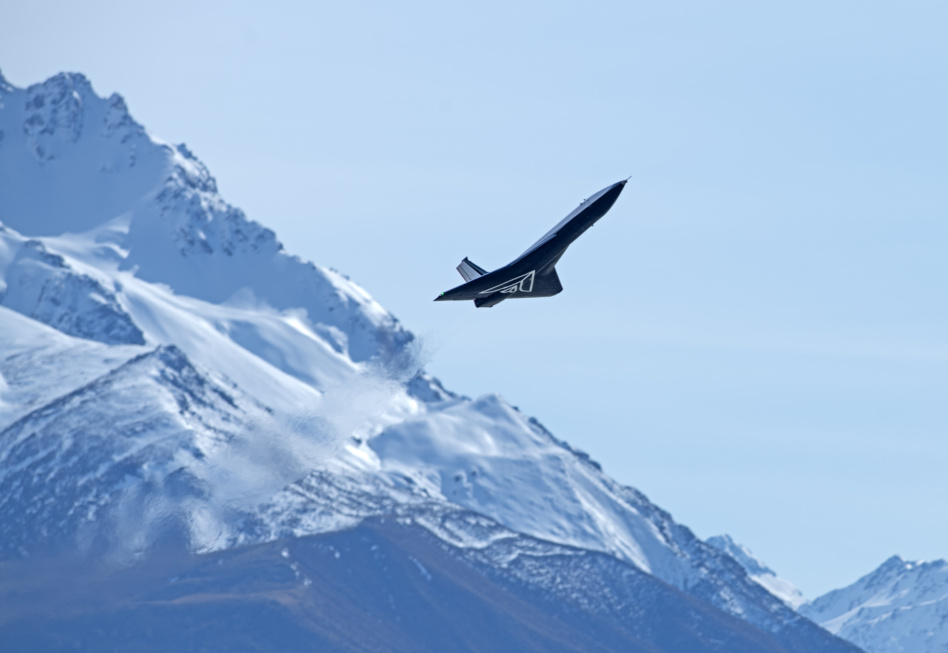
Dawn Aerospace closed a $25M Series B at a $195M post-money valuation, the company announced Tuesday.
The New Zealand-Dutch space transportation company will use the new funds to accelerate development of its Aurora spaceplane, and to conduct an in-space refueling demo.
Balerion Space Ventures led the round, which drew investors from New Zealand, Japan, and the US, including Mana Ventures, ANA Future Frontier Fund, NZVC, and others. Dan Wallman, general partner at Balerion, will join Dawn as a board member.
Keep reading