


In recent years, VC appetite for investing in European space companies has paled in comparison to the US, but recent funding rounds from European launchers show the gap is starting to close.
This week, two European launch hopefuls—Spain’s PLD Space, and Germany’s HyImpulse Technologies GmbH—closed major extension rounds to support their efforts to create sovereign-launch capabilities for the European space ecosystem.
- PLD Space closed a €108M ($125.1M) Series C extension round, which was led by Mitsubishi Electric Corporation, and included co-investment from COFIDES, as well as additional participation from Endeavor Catalyst and the Spain Oman Private Equity Fund. The round brings PLD’s total financing to €488M ($565.3M) since its founding in 2011.
- HyImpulse closed a €50M+ ($57.9M) Series A extension round, which was co-led by JOIN Capital and Ace Capital Partners, and included participation from investors such as North Ventures, BW-Capital, Bayern Kapital, and DLR. The round brings HyImpulse’s total financing to €125M+ ($144.8M) since its founding in 2018.
Departure times: While PLD and HyImpulse are at vastly different stages in their development, both companies are on the verge of passing major milestones.
- PLD Space is planning the first orbital test flight of its MIURA 5 launch vehicle from French Guiana in late 2026.
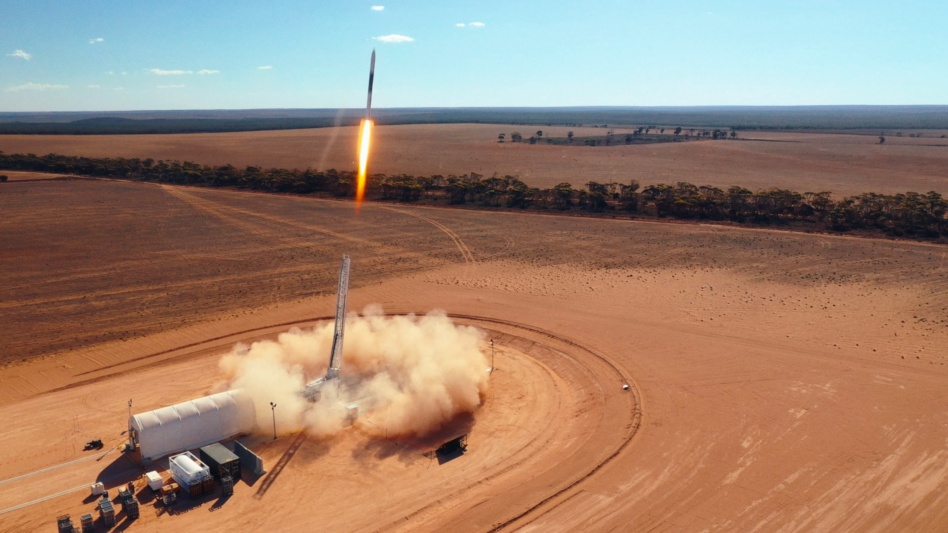
- HyImpulse is planning the second test flight of its suborbital SR75 rocket from the UK’s SaxaVord Spaceport before the end of the year. HyImpulse is also planning to begin ground-testing its orbital SL1 vehicle in the middle of next year, with the first orbital test flight expected in late 2027 or early 2028, according to CEO Christian Schmierer.
As a result, the companies have different plans to put the new capital to use. While PLD is focused on industrializing its MIURA 5—investing in production capacity, test facilities, and launch infrastructure—with the goal of reaching 30 annual launches by 2030, HyImpulse plans to use its funding to support vehicle development through the first orbital flight of SL1.
Pick your target: The differences between the two launch organizations don’t end there, and the contrast suggests the European launch market may be headed toward differentiation instead of direct competition.
As part of its European Launcher Challenge selection, which includes funding incentives for vehicle upgrades, PLD is building heavier-lift capabilities to succeed MIURA 5—MIURA Next, MIURA Next Heavy, and MIURA Next Super Heavy.
HyImpulse, on the other hand, is sticking to the small stuff. The German launcher is developing a hybrid rocket engine, which uses paraffin-based fuel and liquid oxygen, in an attempt to create a comparatively lower-cost, dedicated option for launch customers. Once its SL1 vehicle is online, HyImpulse expects launch costs to begin at €10,000 ($11,585) per kg, and fall over time, according to Schmierer.
And, at least for the time being, it seems there’s more than enough launch demand to keep both companies busy—without needing to worry about going head-to-head.
- Late last year, PLD Space told Payload that it had launches booked through 2027;
- HyImpulse has received €350M+ ($405.5M+) in launch commitments for SL1, according to Schmierer.
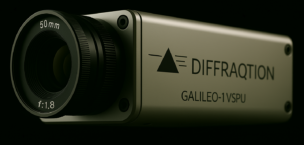
Diffraqtion Adds to Pre-Seed Round for Quantum Camera Tech
The investments from Lockheed Martin Ventures and Sumitomo Corporation’s Presidio Ventures bring the startup’s total funding to $10M+.

ICEYE Opens Three International Offices in a Single Week
Think you had a busy week? ICEYE has you beat.

SpaceX Announces New Starbase, Louisiana Spaceport
Gwynne Shotwell joined Louisiana Gov. Jeff Landry on Tuesday to announce a high-cadence launch site for future Starship operations.

Starcloud Announces $250M Series A Extension
Starcloud has raised a $250M extension to its March $170M Series A funding round, bringing it to a a $2.3B valuation.
Sometimes, lowering the bar is a good thing.
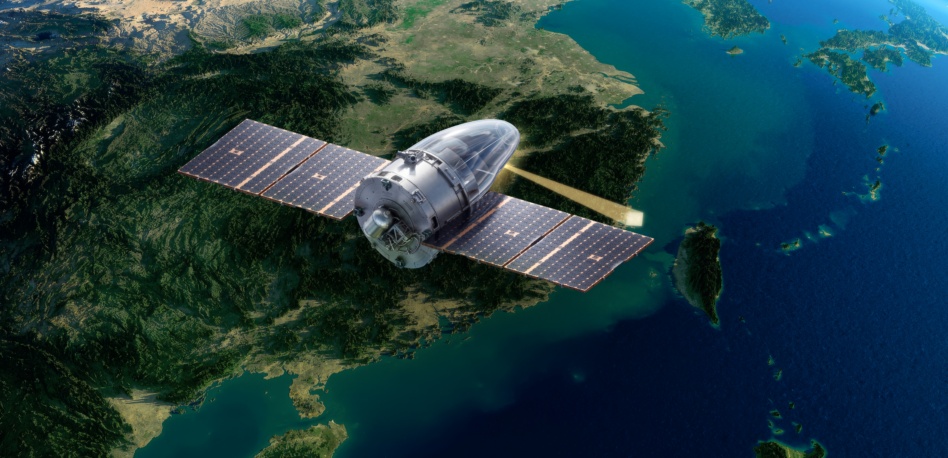
Today, York Space Systems ($YSS) announced a new satellite platform built to fly sustained missions at lower altitudes than any of its spacecraft produced to date.
The new VLEO capable sats—dubbed the LX/V-Class—are based on the company’s S- and LX-Class satellites, with structural modifications to reduce orbital drag and ensure the spacecraft can maintain its altitude for 3+ year missions.
Keep reading