

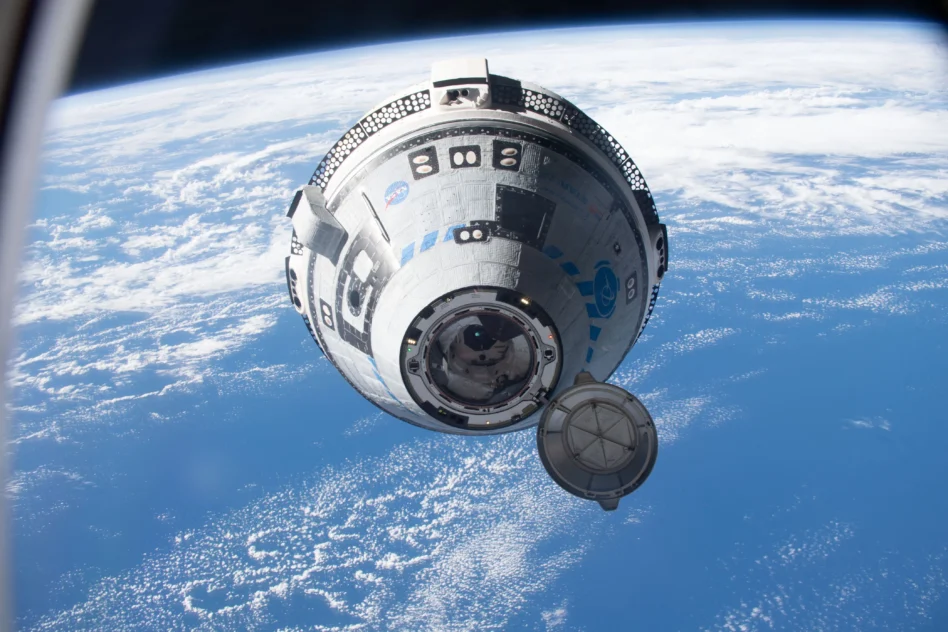
Starliner is getting a redo of its failed crewed demo—but first it has to prove it can fly safely without humans onboard.
NASA and Boeing officials announced Monday that they have upgraded and redesigned Starliner following a dicey crewed test flight in 2024, which left NASA astronauts Butch Wilmore and Sunita Williams stuck on ISS for nine months.
Mark your calendars: NASA is targeting an uncrewed Starliner mission NET December. The capsule is set to fly its next crewed mission to the ISS in mid-2028, led by NASA astronaut Woody Hoburg.
“Teams have identified the cause behind the service module helium leak experienced during Starliner’s test flight, and replaced the affected seals with the new material and tighter tolerances in that area,” NASA Administrator Jared Isaacman said at a press conference. “They traced the crew module thruster anomaly to internal valve corrosion and put new controls in place to flush and purge those thrusters between mission operations. Boeing also made significant thermal modifications to the service module to reduce thruster temperatures, one of the major contributors to the performance issues we saw in flight.”
Demand signal: The commercial crew program was designed to support at least two providers who could take astronauts to and from the ISS and future CLDs. Yet SpaceX’s Crew Dragon is the only option available today.
“I do not think it’s a secret that SpaceX intends to sunset older platforms like Falcon and Dragon as they concentrate on their next-generation capability: Starship,” Isaacman said. “This transition provides industry with really a fantastic opportunity…NASA would like nothing more than to see additional crew and cargo providers, a thriving commercial LEO destination, and an overall orbital economy.”
Isaacman added that the agency plans to buy at least one crewed mission to LEO every six months into the 2030s.
“Here’s your demand signal,” Isaacman said. “So, if private capital is interested in funding the development of another crewed spacecraft, of course we’d welcome it. We’d love a world where there’s lots of options available.”
Isaacman Doubles Down on New NASA Model for International Partnerships
Isaacman is less than a year on the job, but he’s already upended the way the agency interacts with the rest of the world.

Isaacman Promises ‘Artemis Acceleration’ Update Next Month
“There’s a lot of ingredients—so many ingredients—that need to come together for that landing, and we owe everybody an update,” he said. “There’s going to be an Artemis acceleration update…sometime in early October. Maybe it might even coincide with the [ISS] Crew 13 launch.”
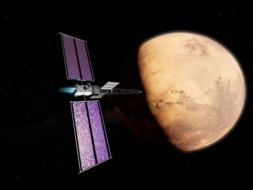
TRL11 Will Build Imaging Tech for SR-1 Freedom
TRL11 has received a NASA contract to provide imaging systems for the Space Reactor-1 (SR-1) Freedom mission to Mars.
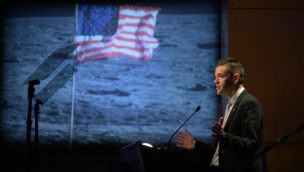
Isaacman: Commercial Won’t Solve Every NASA Problem
“If the objective is to force an economy out of every NASA endeavor, then NASA should probably sit inside the Department of Commerce,” Isaacman wrote in a lengthy post on X late Wednesday night. “But NASA is an independent agency with a broader mission.”

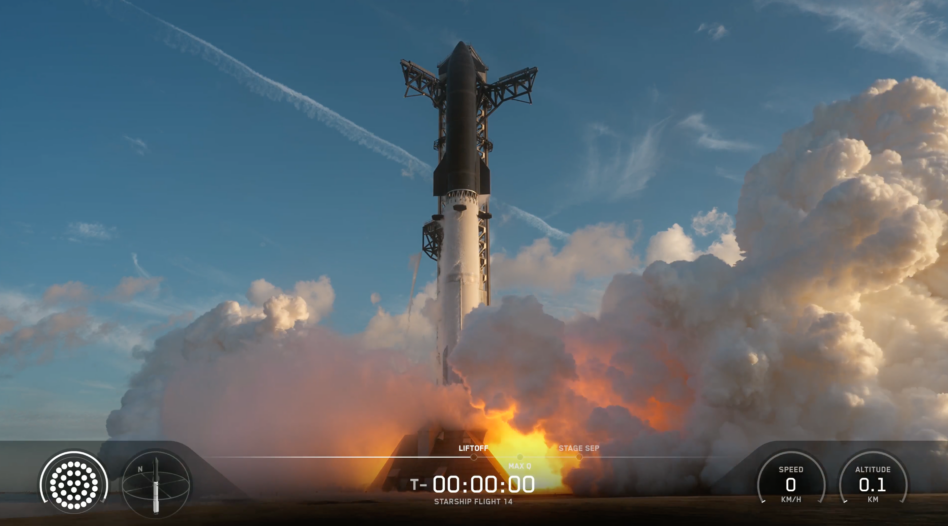
SpaceX’s Starship reached orbit for the first time this morning.
Monday’s Flight 14 is the first operational mission for Starship. That’s good news for many in the space industry, who are planning their missions around the capacity offered by the spacecraft.
Flight details: Starship lifted off from SpaceX’s Starbase, TX launch pad at 8:48am ET. During its ascent, the ship lost one of its six engines, briefly putting SpaceX’s orbital ambitions in doubt as engineers double-checked that the ship was in tip top shape for orbital insertion.
Keep reading