


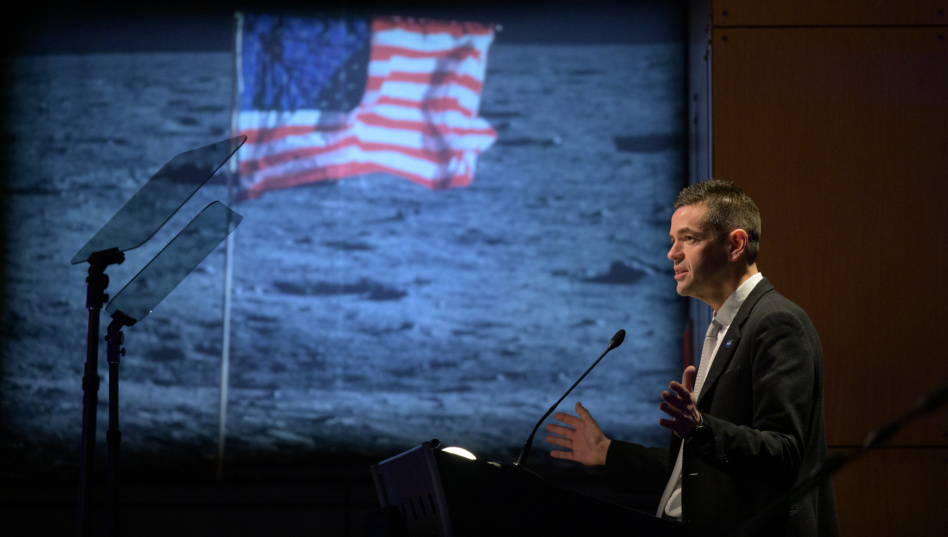
NASA’s goal is to further scientific research, accomplish the impossible, and inspire humanity. Its prime role is not to generate new commercial industries, according to NASA Administrator Jared Isaacman.
“If the objective is to force an economy out of every NASA endeavor, then NASA should probably sit inside the Department of Commerce,” Isaacman wrote in a lengthy post on X late Wednesday night. “But NASA is an independent agency with a broader mission.”
The right stuff: NASA has had some success helping to grow robust industries by becoming an anchor customer of commercial services. The most high-profile examples are the commercial crew and cargo programs, in which the agency helped fund development of transport to orbit that now (in some cases) operates commercially, though Isaacman said commercial procurements also work well for EO and comms capabilities.
But it’s not the right model for everything the agency does.
“You cannot simply slap the word ‘commercial’ on every problem or opportunity, pound the table about ‘deleting NASA’s burdensome requirements,’ and assume it automatically produces a more affordable, better solution supported by a thriving market,” Isaacman wrote. “Sometimes that market materializes. Many times—it is speculative. We should be grounded in reality rather than pretending a market already exists when it doesn’t.”
Rideshare: Isaacman’s post responded to an op-ed by Phil McAlister, who retired last year as a senior advisor at NASA after almost 20 years working at the agency. With SpaceX reportedly planning to retire the Falcon 9 rocket—the ride for its Crew Dragon vehicle, McAlister argued that NASA was “about to lose its way” to LEO—especially since the Boeing Starliner capsule also supported by NASA to provide redundancy has still yet to fly again after problems arose during a crewed demo flight in 2024 that forced the astronauts to return on a Crew Dragon.
Isaacman said he agreed that the country should have more options to get crew to LEO—but that the agency doesn’t have unlimited resources and time to fill gaps in orbit.
“How many major endeavors do you want NASA to solve simultaneously?” Isaacman wrote. “We are trying to get back to the Moon, build a base, get underway on nuclear power, launch more science missions, replace the International Space Station with a commercial service, but now we also need to fund several new crewed vehicles too?”
NASA Signs Space Nuclear Pact, Says Moon Base Is Ahead of Schedule
Isaacman gave updates at the White House’s “Science: A New Golden Age Summit.”
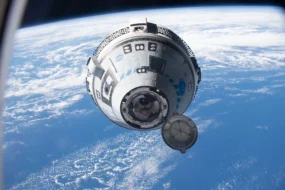
Starliner Targets Uncrewed Flight NET December, Crewed Follow Up in 2028
NASA and Boeing officials announced Monday that they have upgraded and redesigned Starliner following a dicey crewed test flight in 2024, which left NASA astronauts Butch Wilmore and Sunita Williams stuck on ISS for nine months.

Isaacman Doubles Down on New NASA Model for International Partnerships
Isaacman is less than a year on the job, but he’s already upended the way the agency interacts with the rest of the world.

Isaacman Promises ‘Artemis Acceleration’ Update Next Month
“There’s a lot of ingredients—so many ingredients—that need to come together for that landing, and we owe everybody an update,” he said. “There’s going to be an Artemis acceleration update…sometime in early October. Maybe it might even coincide with the [ISS] Crew 13 launch.”

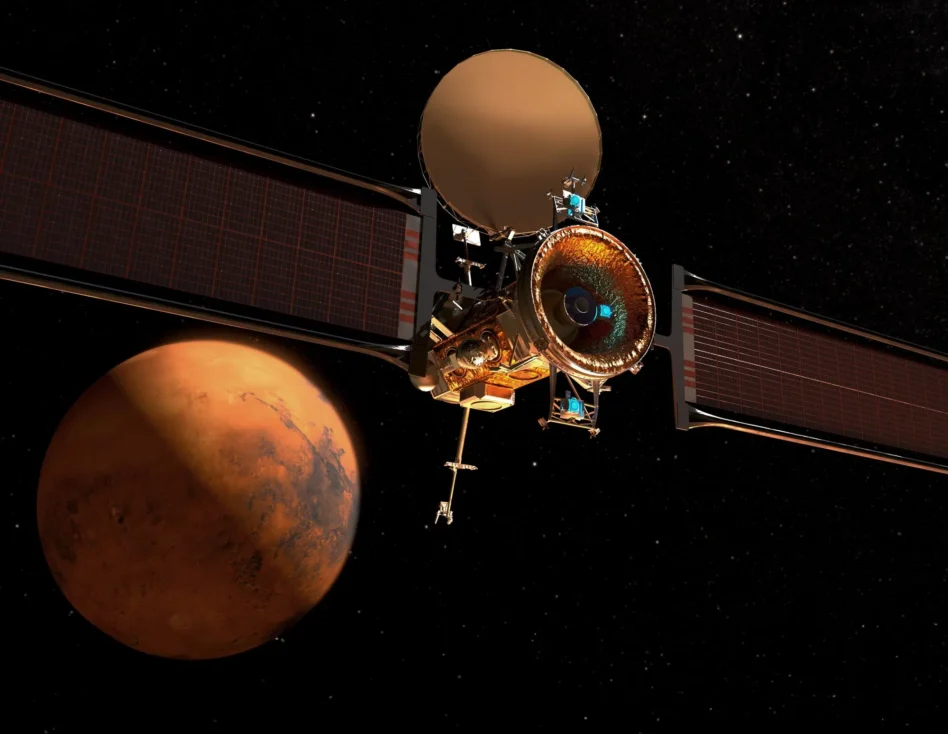
NASA has been communicating with Mars on hardware that predates the iPhone, the cloud, and 4G.
On Tuesday, the agency announced that it had selected Blue Origin to give that infrastructure a modern upgrade. The contract—valued at ~$700M—tasks Blue Origin with developing NASA’s Mars Telecommunications Network (MTN). The next-gen comms system will enable high-bandwidth comms and navigation services for current and future missions to the Red Planet.
With all eyes turned to the Moon in recent months, this award is a reminder that the agency hasn’t forgotten about Earth’s red neighbor. The MTN will support an anticipated growing number of Mars missions—and their increasing data demands.
Keep reading