
Payload Pioneers 2026
It’s that time again! Payload is thrilled to introduce you to our 2026 Pioneers—a 30-under-30 for the space industry.
This is our fourth year of recognizing the rising stars of the space industry, and it might be our most diverse group yet. From cofounders to engineers, consultants to investors, government officials and academic researchers, this group of Pioneers proves that young space professionals are doing incredible things in every corner of the industry.
We received more than 100 nominations this year. Our panel of three judges (who are all former Pioneers themselves) then evaluated nominees on how well they aligned with the criteria of innovation, promotion, and transformation in the space industry.
Amanda Nguyen, AIA
“As a political-science major, I knew I wasn’t going to design rockets or build satellites,” she said. “But I understood I could contribute by shaping the policies that enable those missions.”
Anna Shaposhnik, ORBES
Each astronaut hour in orbit costs $130,000. What if robots could help with some of the grunt work—while also giving the world a better view of living in space?
Arpi Beshlikyan, Northwood Space
Arpi Beshlikyan’s top priority is making a big impact. Right now, space is the vehicle allowing her to do that.
Ashling Sugarman, Pepperdine Law School
Not many people can turn a childhood dream of being a “space cowgirl” into a career, but Ashling Sugarman is getting close. She’s just traded a lasso for law books.
Brianna Clark, Vast
“It provides so much opportunity for not just people who love aerospace, but everyday people,” she explained. “We’re doing science for medical research. We’re doing science for pharmaceuticals, everything that patches and impacts everyday life.”
Bryce Kelly, Deloitte
“I started researching,” Kelly said. “I was like, ‘Oh my, gosh, wait. The space industry is a thing that I can go into, even as a non-technical person.’”
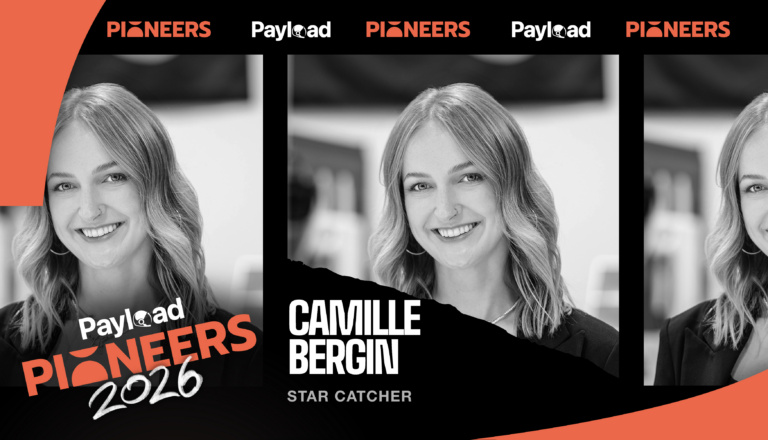
Camille Bergin, Star Catcher
To many young space enthusiasts scrolling on TikTok, Camille Bergin is the face of the industry.
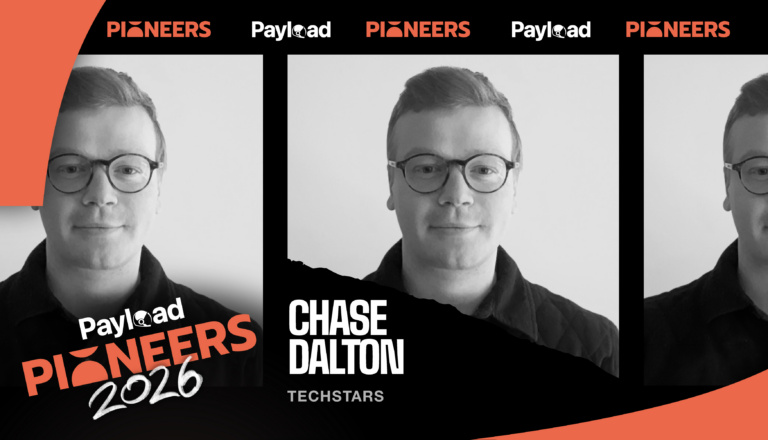
Chase Dalton, Techstars
His introduction to space started with a childhood-science-fair hoverboard. He emailed experts for the math behind it until Robert Boyd—who was working on hybrid airships at Skunk Works—wrote back.
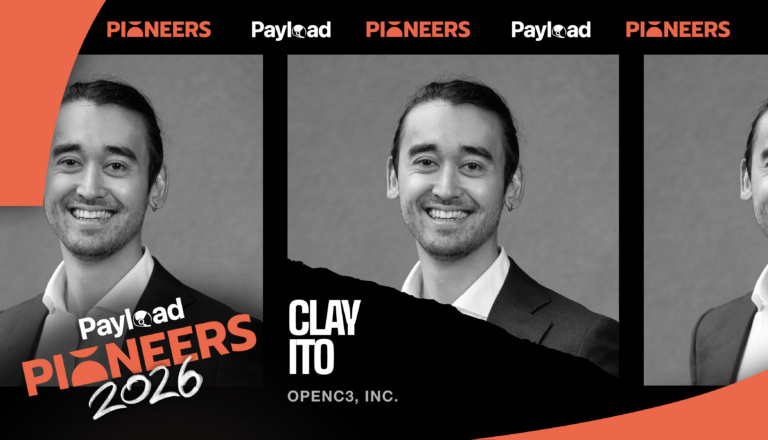
Clay Ito, OpenC3
“We just want people to get started so they can focus on the mission, and not all the tinkering,” he added.
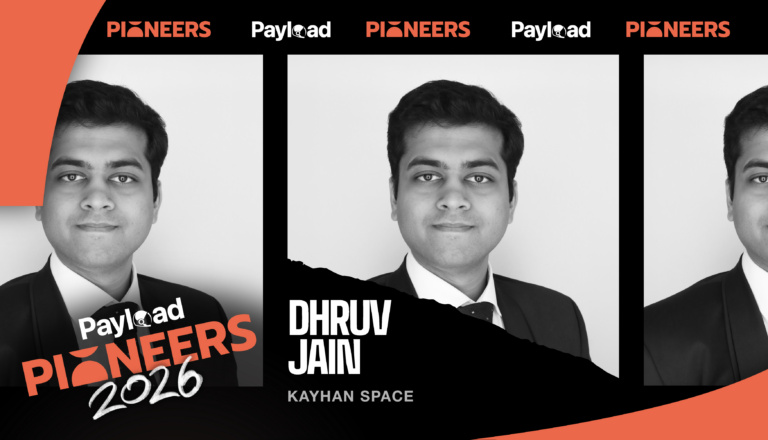
Dhruv Jain, Kayhan Space
When Dhruv Jain transferred to a new school, he joined the astronomy club on a whim. Soon, he was chasing meteor showers and tracking the transit of Venus—and now, more than a decade later, he’s built a career helping space companies track objects in orbit.
Ellie Chalphin, In-Q-Tel
Now at In-Q-Tel, Chalphin is tackling one of the most challenging moves yet—moving startup technology into the hands of the government.
Hayley Blyth, Bird & Bird
Hayley Blyth’s path into space started with a question about war: how do the rules of armed conflict apply in orbit?
Isobel Porteous, EarthTraq
What do a bird, a shipping container, and a polar bear have in common? They can all be tracked with tech from EarthTraq.

James Shin, K2 Space
“As I begin to understand how much [impact]…things like cellular telecommunications, imaging, climate [research]…have globally—once I started to understand that, I was like, ‘Okay, this is definitely the industry that I want to work in,’” Shin told Payload.
Kayla Bigham, FAA
Kayla Bigham grew up wanting to be an astronaut. Then, after learning about the Apollo 1 and Apollo 13 emergencies in elementary school, her goal shifted—she knew she wanted to keep space exploration safe.
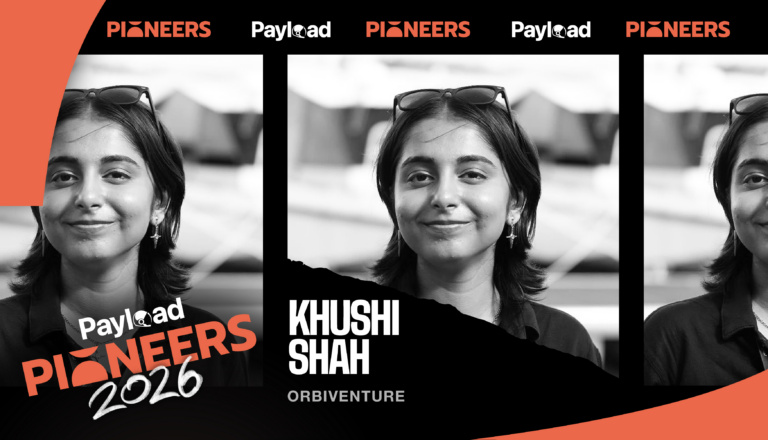
Khushi Shah, Orbiventure
Shah was drawn to more “creative parts” of the space industry and is now creating art that’s touched down on the lunar surface.
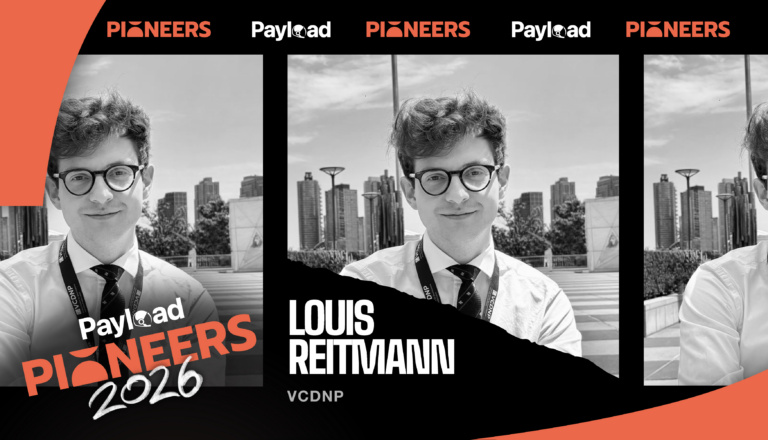
Louis Reitmann, Vienna Center for Disarmament and Non-Proliferation
“Many of the geopolitical issues that we see in the nuclear weapons space are replicated when it comes to space security issues,” he said.
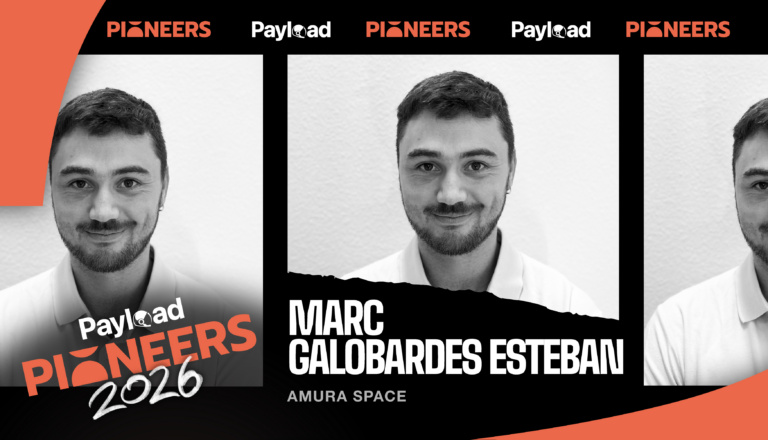
Marc Galobardes Esteban, Amura Space
Marc Galobardes Esteban cofounded Amura Space (formerly known as CISGAM Inc.) in 2025, to rethink how the space industry approaches propulsion in orbit.
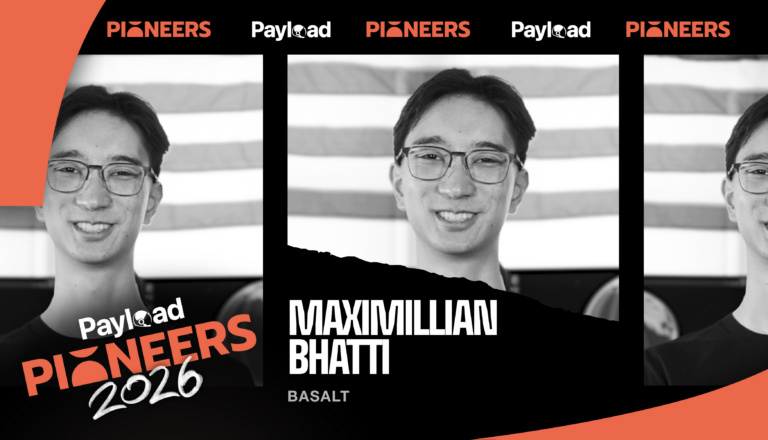
Maximillian Bhatti, Basalt
Max Bhatti’s recipe for success in the space industry is one part luck, and nine parts hustle.
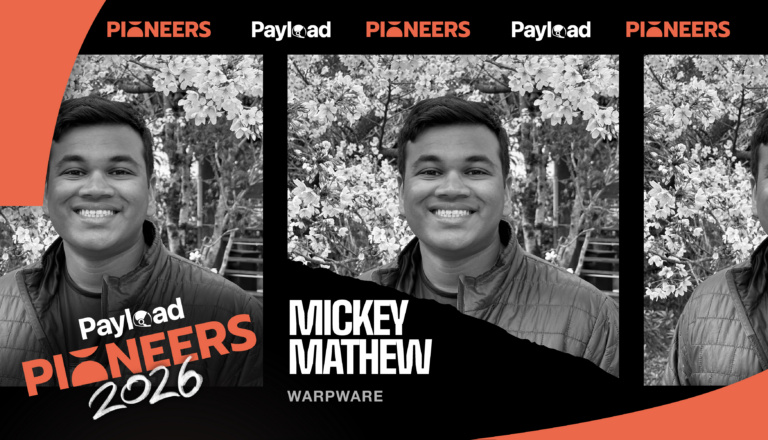
Mickey Mathew, WarpWare
“I grew up assuming going to space was easy,” Mickey Matthew told Payload. With seven friends who had astronaut parents, going to space felt like something everyone was doing.
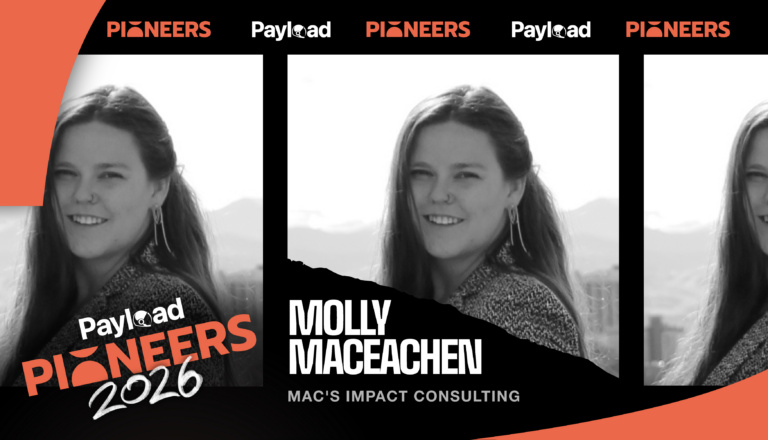
Molly MacEachen, Mac’s Impact Consulting
Molly MacEachen wants to help companies comply with space-sustainability frameworks, but that market doesn’t exist today—so she’s building it herself.
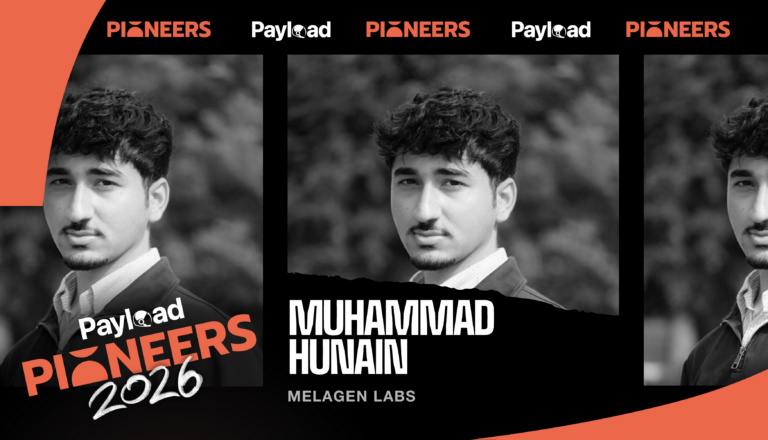
Muhammad Hunain, Melagen Labs
“That’s where I realized we’re stuck at a 1980s standard: still shielding spacecraft with aluminum, and rad-hardened electronics [were] too expensive to build at the scale this economy demands,” Hunain told Payload.
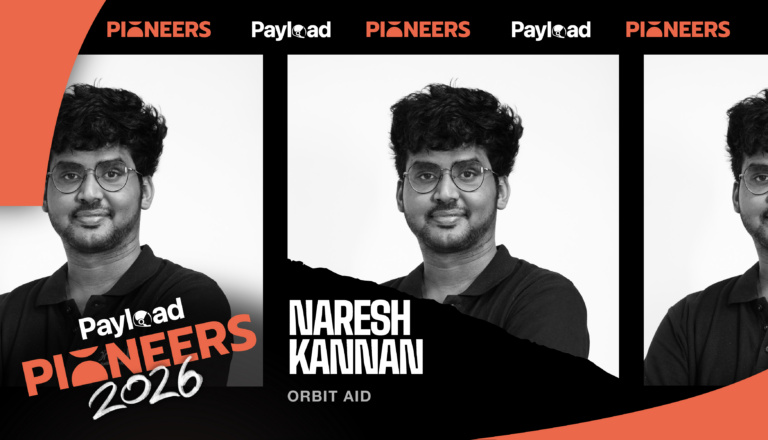
Naresh Kannan, OrbitAID
“My primary goal was to build the credibility of this domain in India,” he said. “Everyone was thinking, ‘This is a little bit too far-fetched.’”
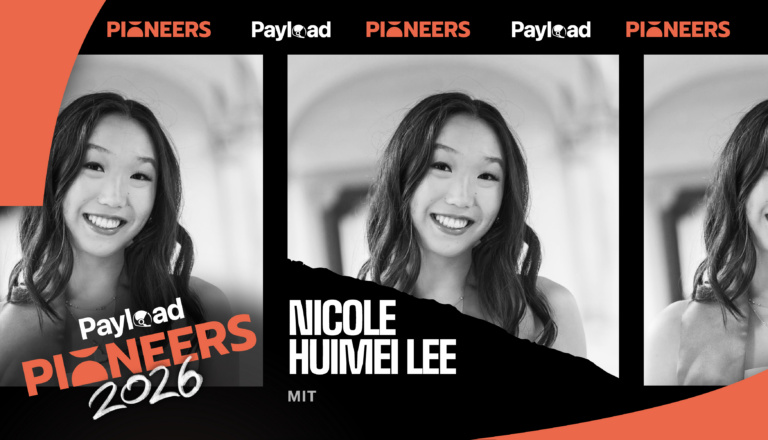
Nicole Huimei Lee, MIT
Exercise is essential for astronauts in orbit, since microgravity causes rapid deterioration of bone density and muscle mass. But what if the astronauts could multitask?
Pasha Kravtsov, True Anomaly
When a former colleague shared that his company was working to counter a recently-launched Russian military sat, Pasha Kravtsov wanted in.

Patrick Miga, Advanced Space
In first grade, Patrick Miga saw a photo of Neptune (snapped by the Voyager 2 spacecraft).. Ever since then, his life has been directed toward space.

Priya Abiram, Vast
“I will be the youngest research astronaut, which is very exciting,” Abiram, 22, told Payload.

Risha Das, MIT
Space is now widely viewed as the newest warfighting domain. Ritisha (Risha) Das is working to make sure it can be used for peace as well.

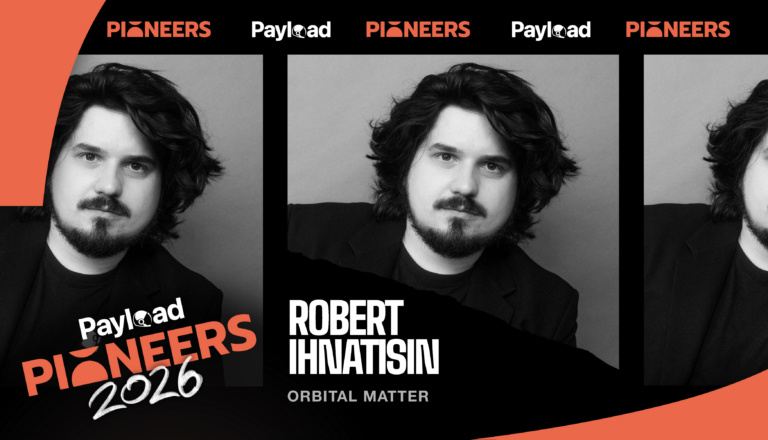
Robert Ihnatisin, Orbital Matter
As an expert in 3D printing for terrestrial applications, Robert Ihnatisin was surprised by how slow the in-orbit manufacturing industry was progressing. So, naturally, he started a company to solve the problem himself.
Tyler Bernstein, Zeno Power
Growing up, Tyler Bernstein’s favorite NASA missions—from Mars rovers to Voyager’s interstellar journey—all had one thing in common: They all ran on nuclear batteries.