


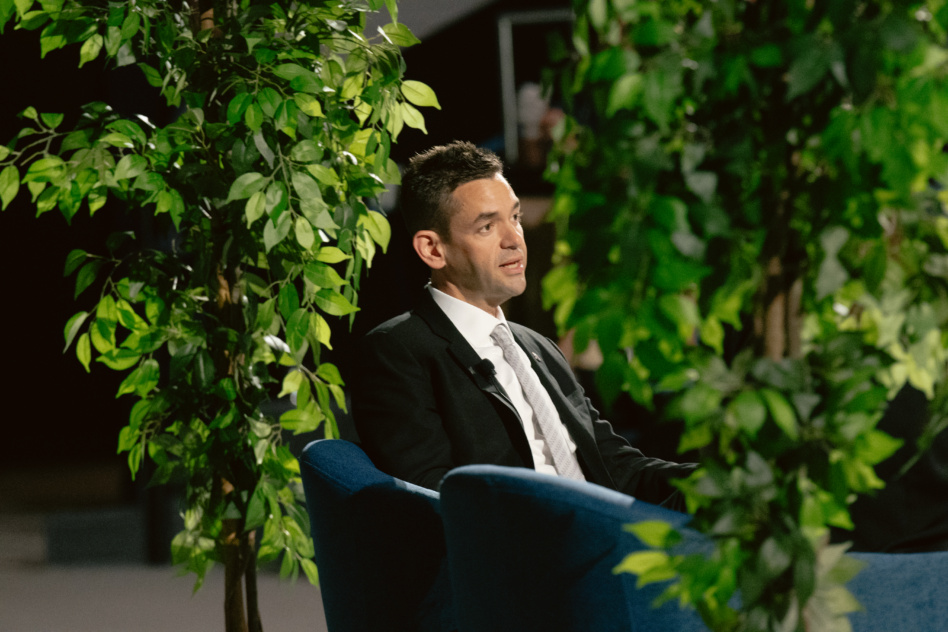
HOUSTON, TX — NASA Administrator Jared Isaacman is less than a year on the job, but he’s already upended the way the agency interacts with the rest of the world.
NASA doesn’t want to go it alone as it drives a US-led effort to return American astronauts to the Moon. But the agency is done “stitch[ing] together coalitions for the sake of coalitions,” Isaacman said at Payload’s Off World event in Houston on Wednesday.
The comments come one week after Isaacman made similar remarks at AFA’s Air, Space & Cyber Conference, saying that NASA was only interested in international partnerships that were “good deals” for the US.
Trial separation: Together, the comments highlight the increasingly strained relationship between the US and European civil space programs since Isaacman took the top job at NASA.
Isaacman’s appointment was quickly followed by NASA’s decision to pause work on the Lunar Gateway program—a program where ESA had already invested in and started building three main components.
That pause kickstarted a rift between the two agencies, which has only grown wider in the months since. It reached a new zenith this month when ESA Director General Josef Aschbacher called on European leaders to decide whether the region should forge its own capabilities on space exploration.
If Europe decides to strike out on its own, the decision could include new programs for Europe’s space industry, including:
- EU-launched crewed missions in LEO following the planned demise of the ISS in the early 2030s;
- Stronger sovereign and European-led coalitions to and around the Moon;
- A pathway to Mars using European tech.
Better off as friends: Despite the beef between NASA and ESA, Isaacman’s comments at Off World were anything but a declaration of independence for the future of the US space program.
Isaacman highlighted that the new model for international partnerships stemmed from a necessity to move quickly on lunar missions to beat China to the lunar South Pole to maintain Western hegemony.
“You come up short with who comes down the ladder first, [and] the impact is felt around the world,” Isaacman said. If the US were to lose the race back to the Moon to China, Isaacman predicted it could upend the status quo, and lead US and NATO allies to question who to trust on topics such as national security, AI, and broader technology standards.
Despite the pain of losing Gateway, ESA isn’t completely left out of the Artemis program’s return to the Moon, and Isaacman ended the discussion at Off World by pointing out that the future of America’s space program is still tied to the in-space ambitions of its allies.
“At least half of the Artemis Accord signatories have made commitments for some sort of scientific or tech demonstration payload that’s going to go to the lunar surface,” Isaacman said. “So, it’s just about things that accelerate the outcomes, which is the pathway of doing things, which is going to help us get where we need.”

Seraphim Space Investment Trust Doubled its Value in 2026
Seraphim’s major holdings—ICEYE, ALL.SPACE, D-Orbit, HawkEye 360, and Xona Space Systems, which together represent more than 75% of the firm’s portfolio—all had a great year, and that success has trickled upwards.

UKSA Taps ClearSpace for Country’s First Debris Removal Mission
The UK Space Agency is dressing up as a waste-management company for Halloween.
NASA Signs Space Nuclear Pact, Says Moon Base Is Ahead of Schedule
Isaacman gave updates at the White House’s “Science: A New Golden Age Summit.”

Europe’s Space Defenses Fall Just Shy of Weaponization
Europe doesn’t have any weapons in space—but that doesn’t mean the region is comfortable flying around in orbit defenseless.

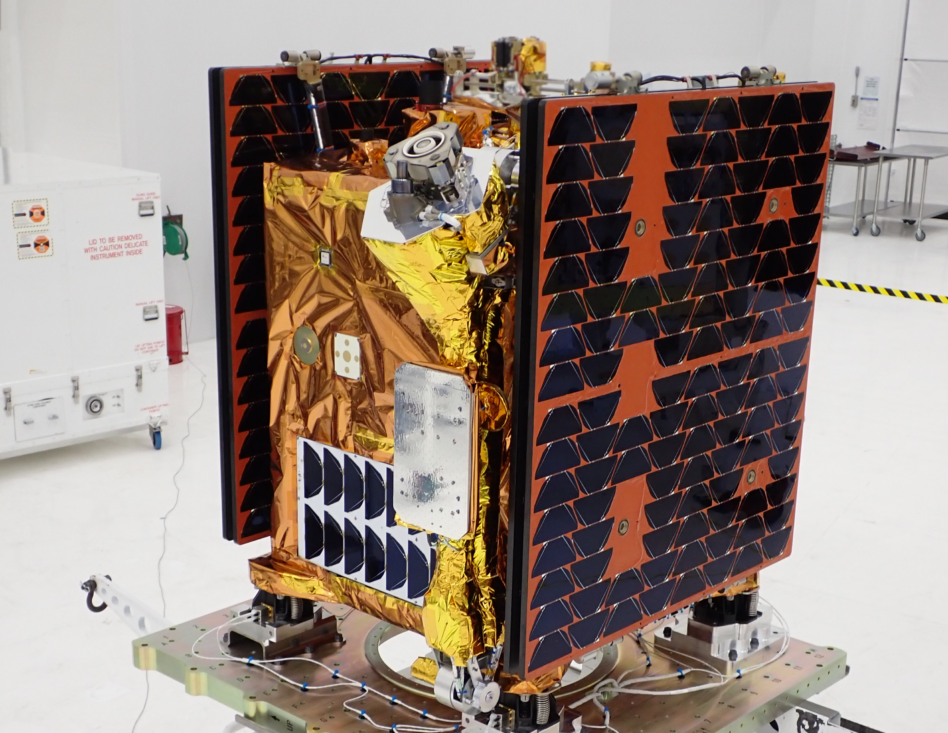
Otter is ready to get to work.
Starfish Space announced today that it will launch its first operational Otter spacecraft to begin conducting commercial missions for customers. The spacecraft is expected to launch next month on SpaceX’s Transporter-18.
“This is the moment Otter becomes real,” Starfish cofounder Austin Link said in a statement. “It’s no longer something we’re designing for the future. The first Otter is built, it has a customer and a mission, and it’s going to space.”
Keep reading