
Rachael Zisk
Three Satellites Failed to Deploy from Transporter-9
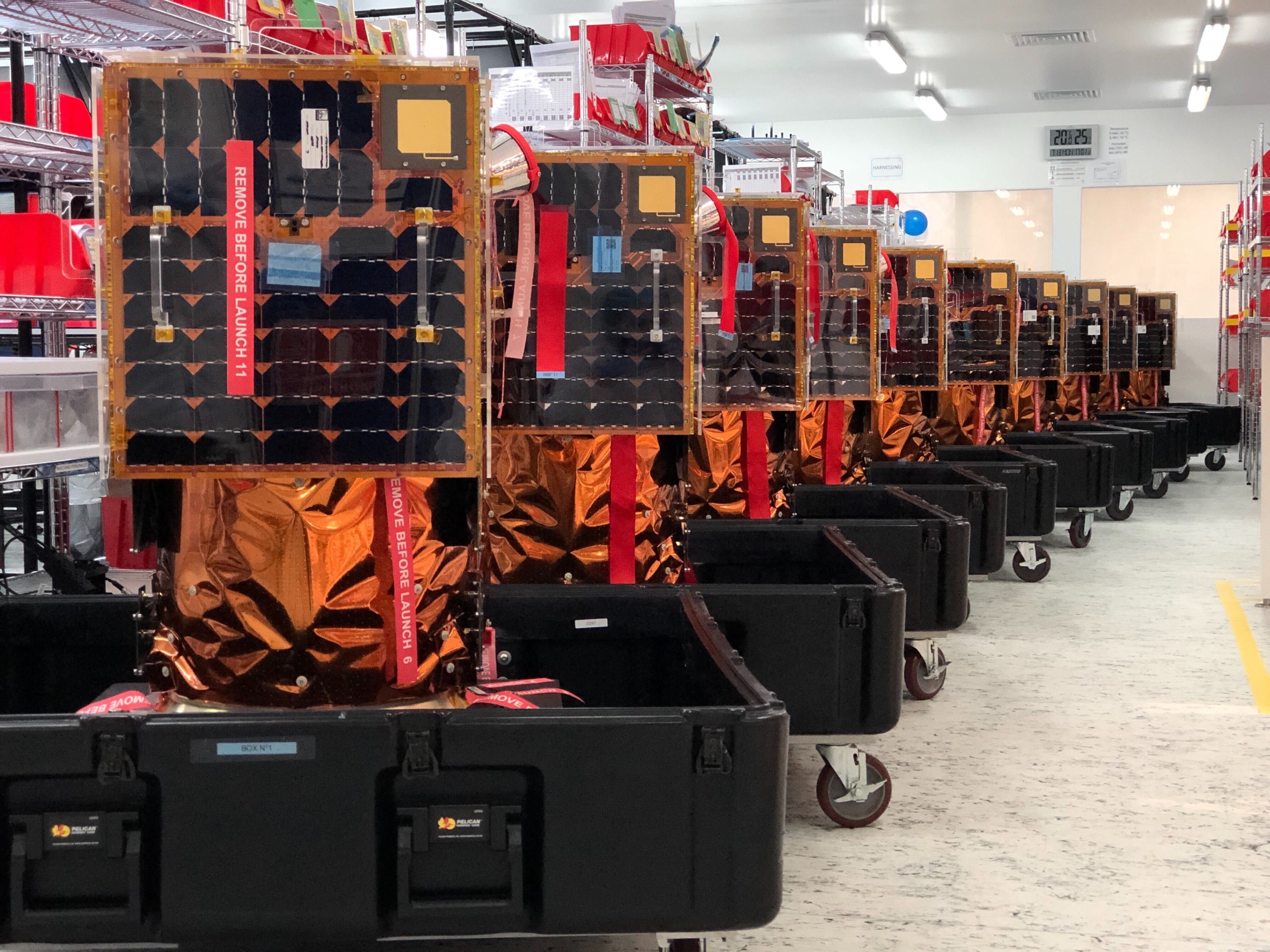
It turns out Transporter-9 deployment didn’t go as smoothly as planned for some passengers. Momentus ($MNTS) announced last week that three of the five satellites it had carried failed to deploy from the third-party deployer it used for the mission, and are now presumed lost.
The Space Industry’s Climate Impact: Part 1
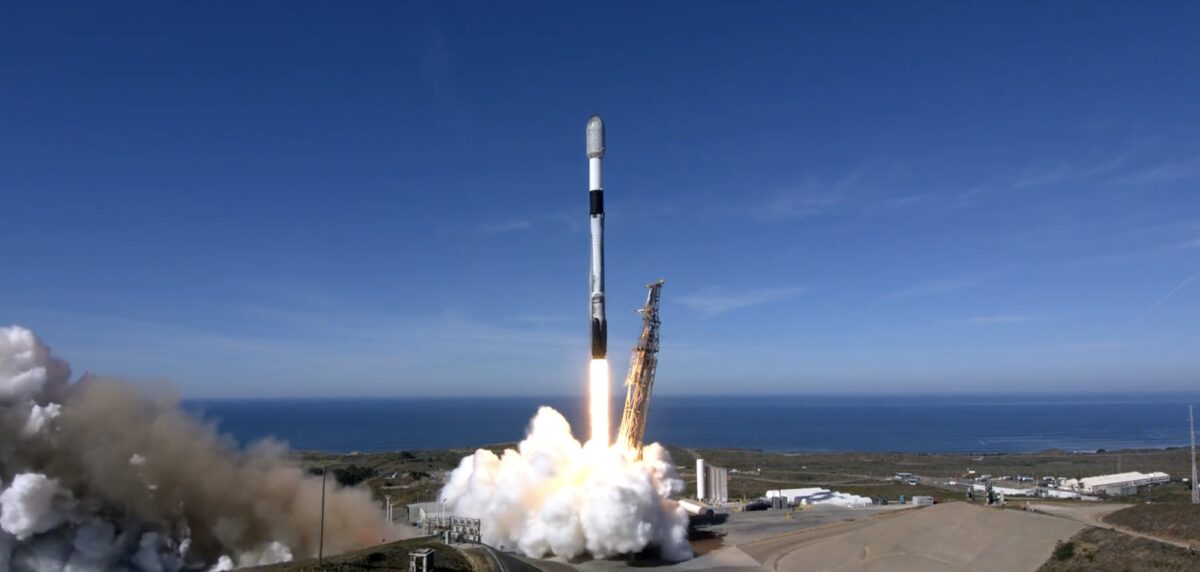
Space technology benefits humanity every day, from scientific understanding to the nuts and bolts of supporting the systems that enable life as we know it, but some advocates worry regulators are not paying enough attention to the potential downsides of a bustling space economy.

All Massive Galaxies Emit Radio Waves, Study Finds
Ah, black holes—those distressing voids in space known for gobbling up everything they touch. Those side effects of the theory of relativity are now believed to be present at the core of every galaxy in the universe, and there’s still a lot we don’t know about them. One of those outstanding mysteries is radio wave…
NorthStar Raises $14.7M Series D
NorthStar Earth and Space, a startup building an in-situ space situational awareness (SSA) constellation out of its home base in Canada, announced yesterday that it clinched a CAD $20M ($14.7M) Series D round. Telesystem Space Inc., the Québec government, and the Luxembourg Future Fund participated.
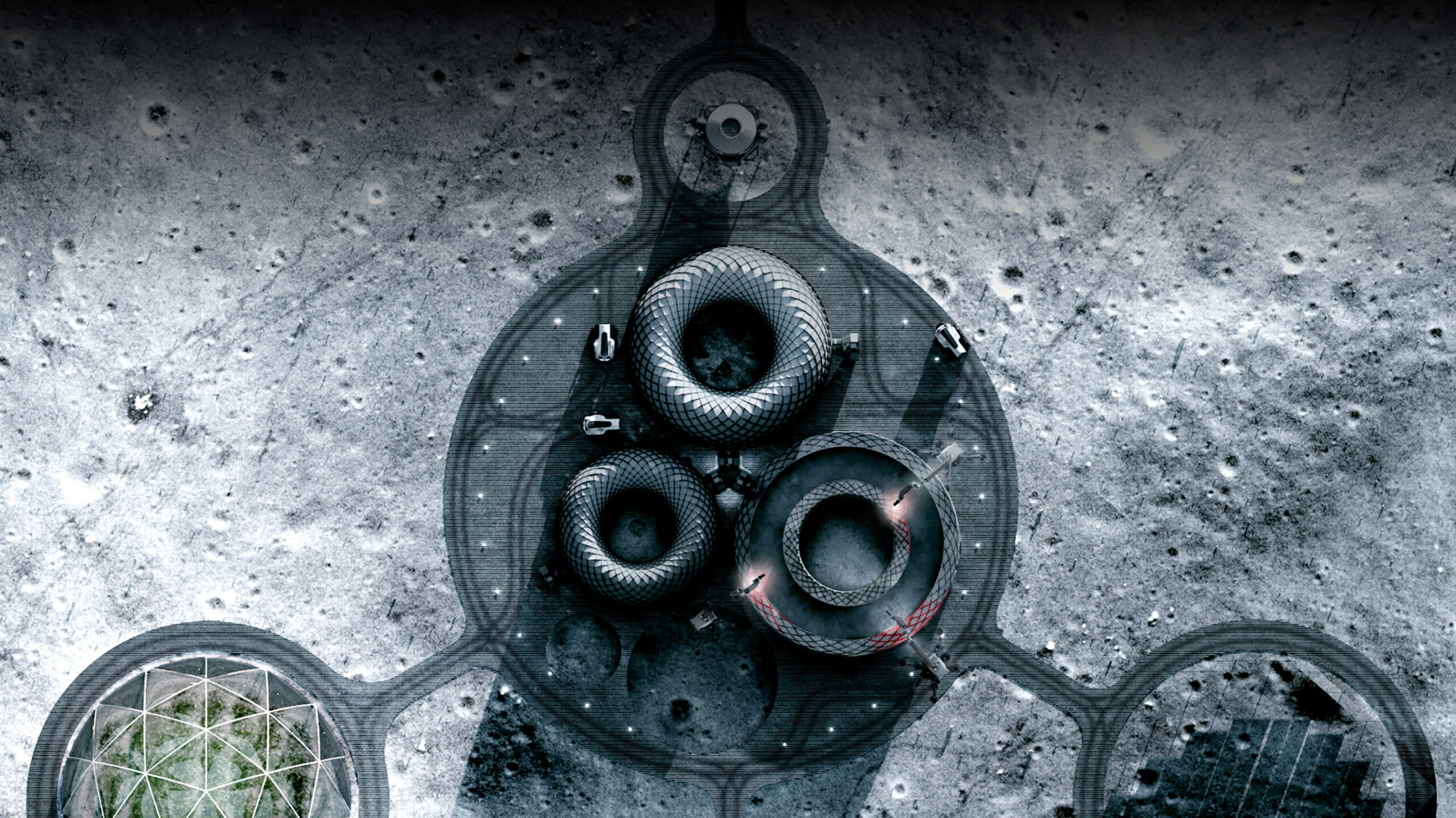
DARPA Awards LunA-10 Moon Infrastructure Project Contracts
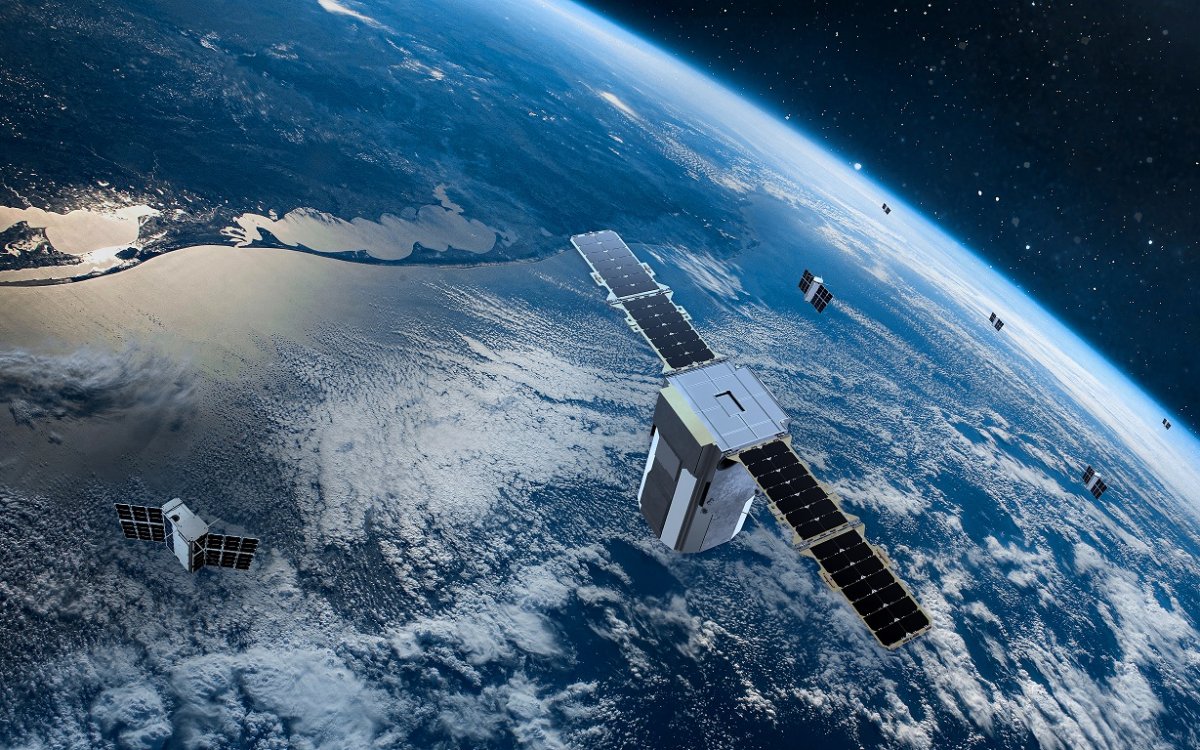
A massive Moon economy, held together by a vast network of robots, is solidly in the works.
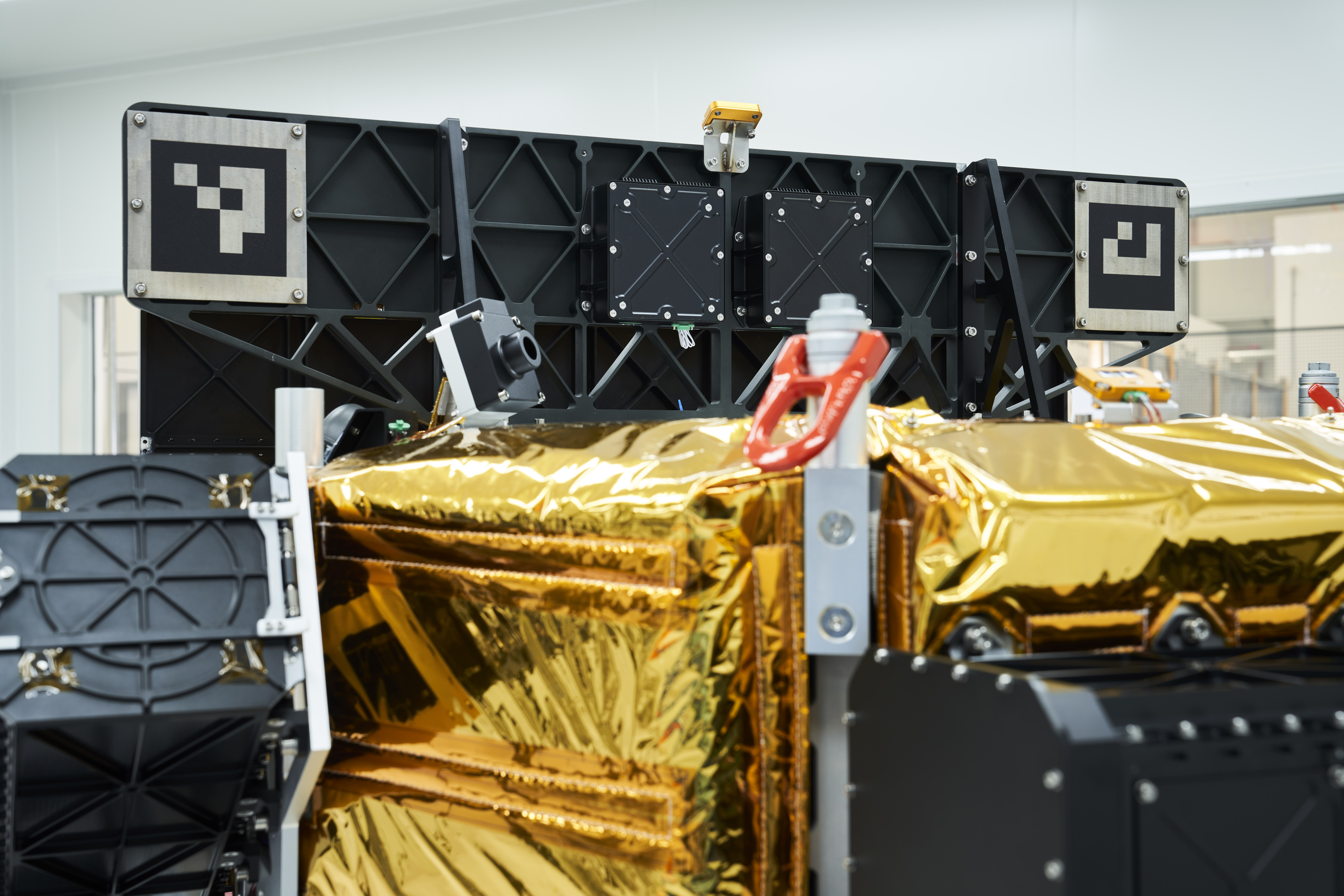
Orbit Fab and Space Machines Company Partner on In-Orbit Servicing
Orbit Fab, a US-based company building in-space refueling infrastructure (i.e., orbital gas stations), announced this morning that it is teaming up with the Aussie-based Space Machines Company (SMC) to attach more efficient docking hardware to SMC’s orbital transfer vehicle, which is expected to launch next year.
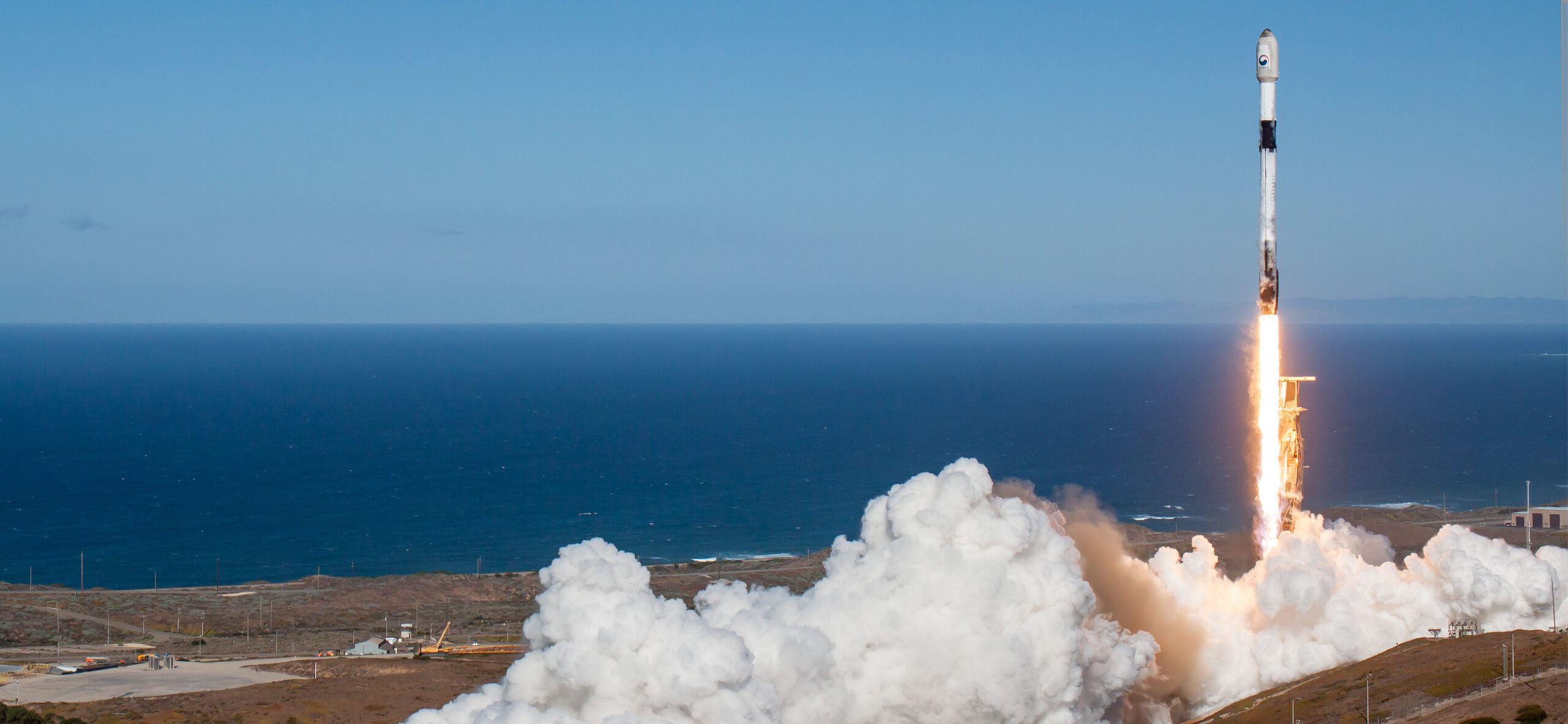
Korea Tensions Move to Space
North and South Korea are using space as a vantage point to keep an eye on one another. On Nov. 21, North Korea successfully launched a military spy satellite to orbit on its third try, sparking international concern and escalating tension in the region. Now officials say that the satellite is up and running, collecting…
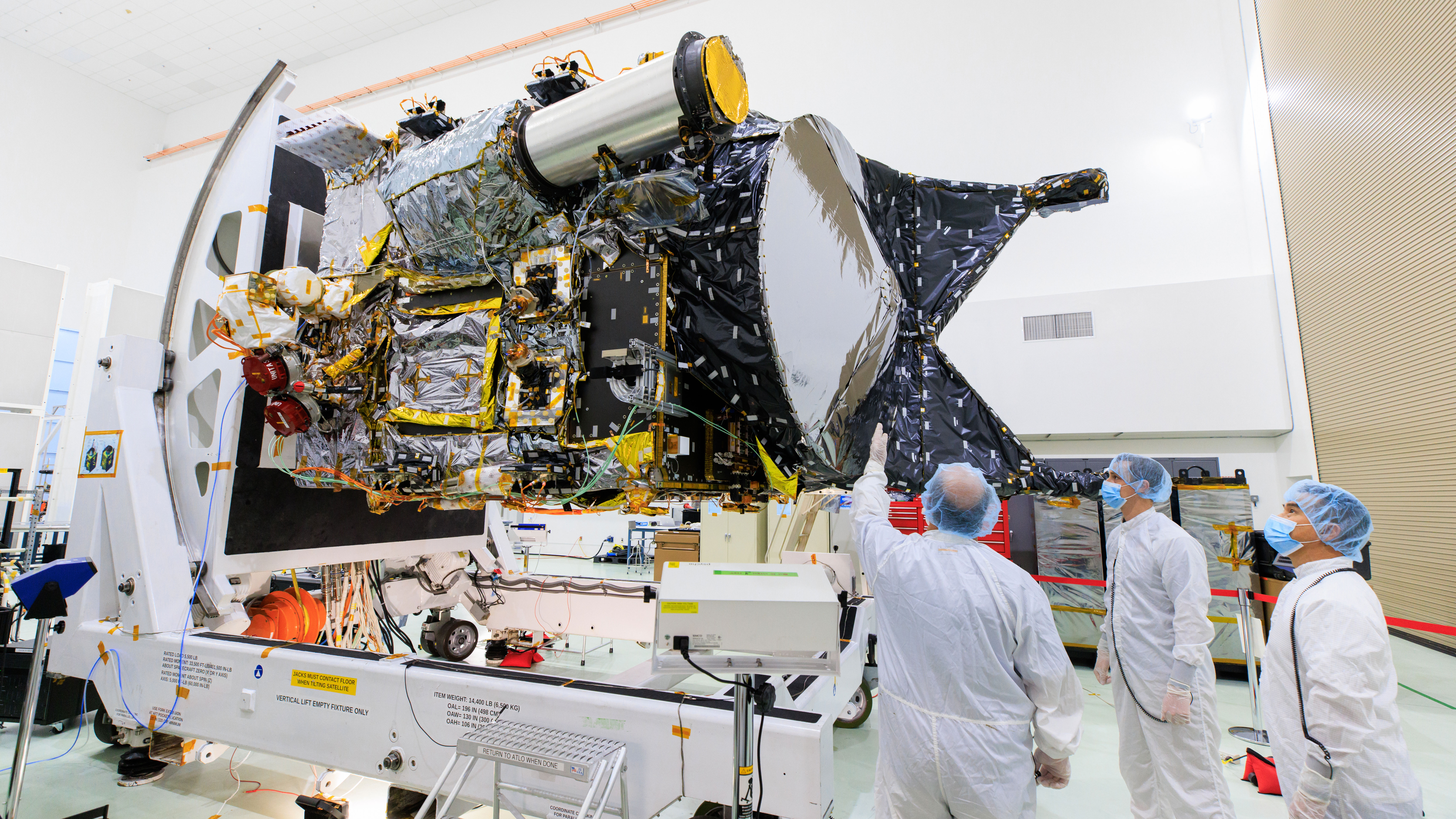
NASA Tests Deep Space Laser Communications
As companies and government agencies push deeper into space, their spacecraft need to transmit large amounts of data very precisely and quickly across vast distances in the void of space—and radio comms just aren’t doing the trick anymore. That’s where lasers (or, to use the industry terminology, optical communications) come in. Future crewed missions to…
JAXA Suffers Cyberattack
Hackers infiltrated Japan’s space agency’s internal systems this summer, but it doesn’t appear they accessed info related to the country’s launch or satellite operations, JAXA announced.
Arcfield Acquires Orion Space Solutions
Arcfield, a company providing space mission support and technology to government customers, has scooped up Orion Space Solutions to build out its core capabilities and expand what it’s able to offer DoD customers. “Arcfield has a long history of delivering innovative solutions across the space domain, and we believe the acquisition of Orion enhances Arcfield’s…

Ariane 6 Conducts Hot Fire Test
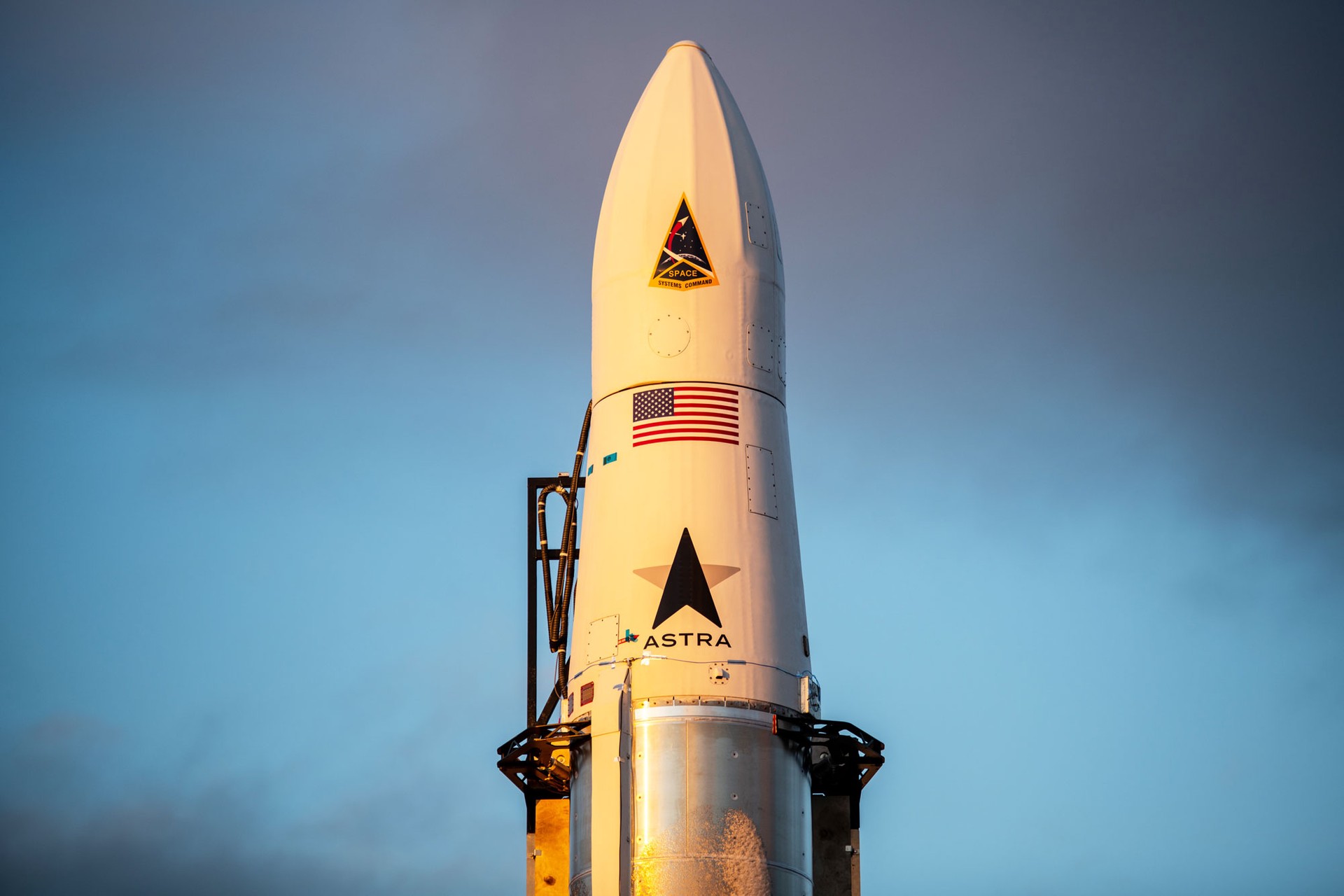
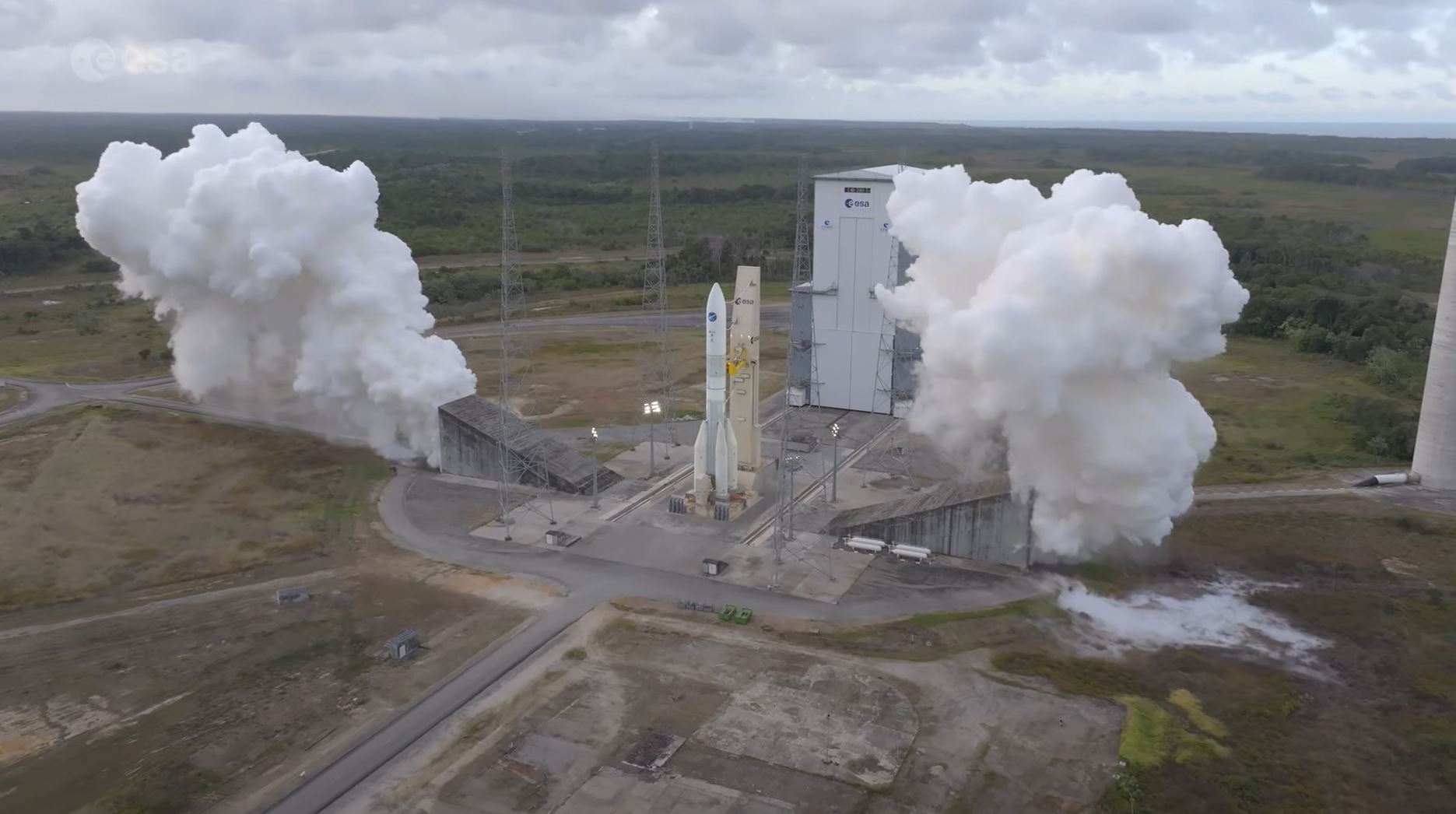
While many of us west of the Atlantic were occupied by copious amounts of turkey and mashed potatoes, our friends across the pond were focused on the arguably more exciting task of firing new rocket engines.
Satellogic Wins NOAA License
Satellogic ($SATL) notched a big win in its quest to capture more American business opportunities with a new remote sensing license granted by NOAA.