


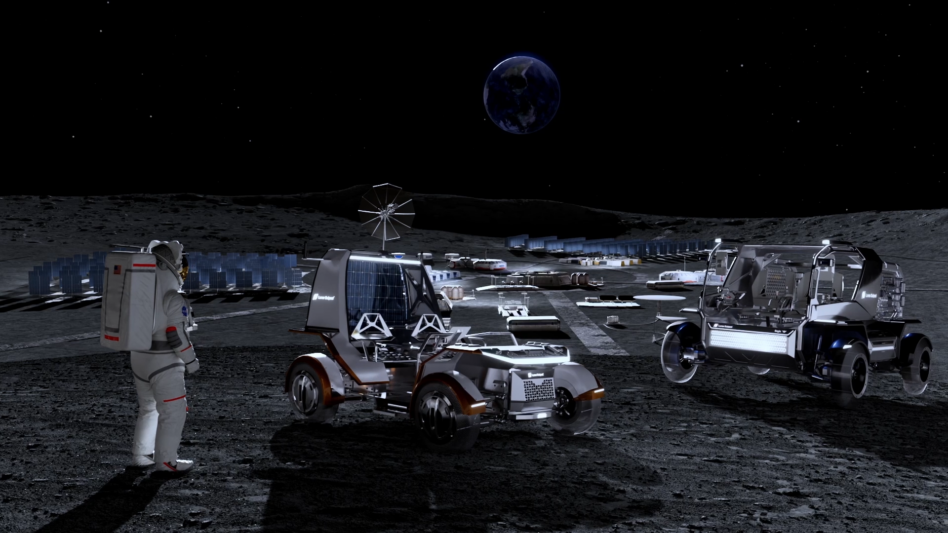
Lunar Outpost announced a $30M Series B yesterday aimed at accelerating its production of lunar rovers to meet rising demand for Moon mobility missions.
Industrious Ventures led the round, which included participation from Type One Ventures, Eniac Ventures, Promus Ventures, Reliable Equity, and others.
Perfect timing: The fundraise highlights the huge demand from investors looking to capitalize on NASA’s new vision for the US presence on the Moon.
In March, NASA Administrator Jared Isaacman unveiled his plan to spend ~$20B during the next seven years to set up a lunar base. The effort will involve dozens of lander missions, and includes a phased approach to building out rover capabilities—both for scouting the lunar surface for resources, and building infrastructure.
For Lunar Outpost, that means busy days ahead.
“The mission opportunities are kind of growing exponentially. And that’s a big part of the reason we just raised the capital we did,” Lunar Outpost CEO Justin Cyrus told Payload.
Meet Pegasus: In response to NASA’s reformulated Moon vision, Lunar Outpost unveiled a new class of rover, called Pegasus—a pared-down version of Lunar Outpost’s Eagle Lunar Terrain Vehicle.
Lunar Outpost has already designed and built two full-scale prototypes of Pegasus, and started human-in-the-loop testing. Company officials hope this stepping stone to Eagle will satisfy NASA’s demand for low-weight lunar rovers that are ready to fly on missions in the near-term.
- Pegasus is less than half the size of Eagle;
- It has a greatly reduced logistics payload capacity;
- It also comes without Eagle’s robotic arm.
Pegasus’ development is scheduled to meet NASA’s timeline of a lunar mission by November 2027.
The manifest: Lunar Outpost is patiently awaiting NASA’s decision on suppliers for the Lunar Terrain Vehicle Services contract, which Cyrus expects to drop May 22. In the meantime, the company has six contracts for cislunar missions signed for the next few years.
“We’re flying like once a year right now. I think within two years, we’re going to be flying almost once a month,” Cyrus said. “Then, within five years, we’re going to be flying large scale Eagle class [rovers], alongside a few Pegasus rovers that are going to be building this Moon base at scale.”

Satlyt Raises $8M Seed to Expand Its Virtual ODC Network
Satlyt was founded in 2024 by Afullo, an alum of SpaceX and Google who spent years trying to convince both companies to invest in in-space edge computing opportunities.
Space Insurer Charter Space Raises $5M Seed Round
You can bundle your home and auto insurance with the click of a button, but covering your spacecraft has traditionally been a little trickier.
Blackswan Space Raises €2.5M Seed to Fund RPO Kit Demo
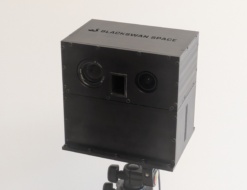
The round comes as Blackswan gears up for its first in-orbit mission of its RPO Kit payload.
Varda Raises $251M Series D
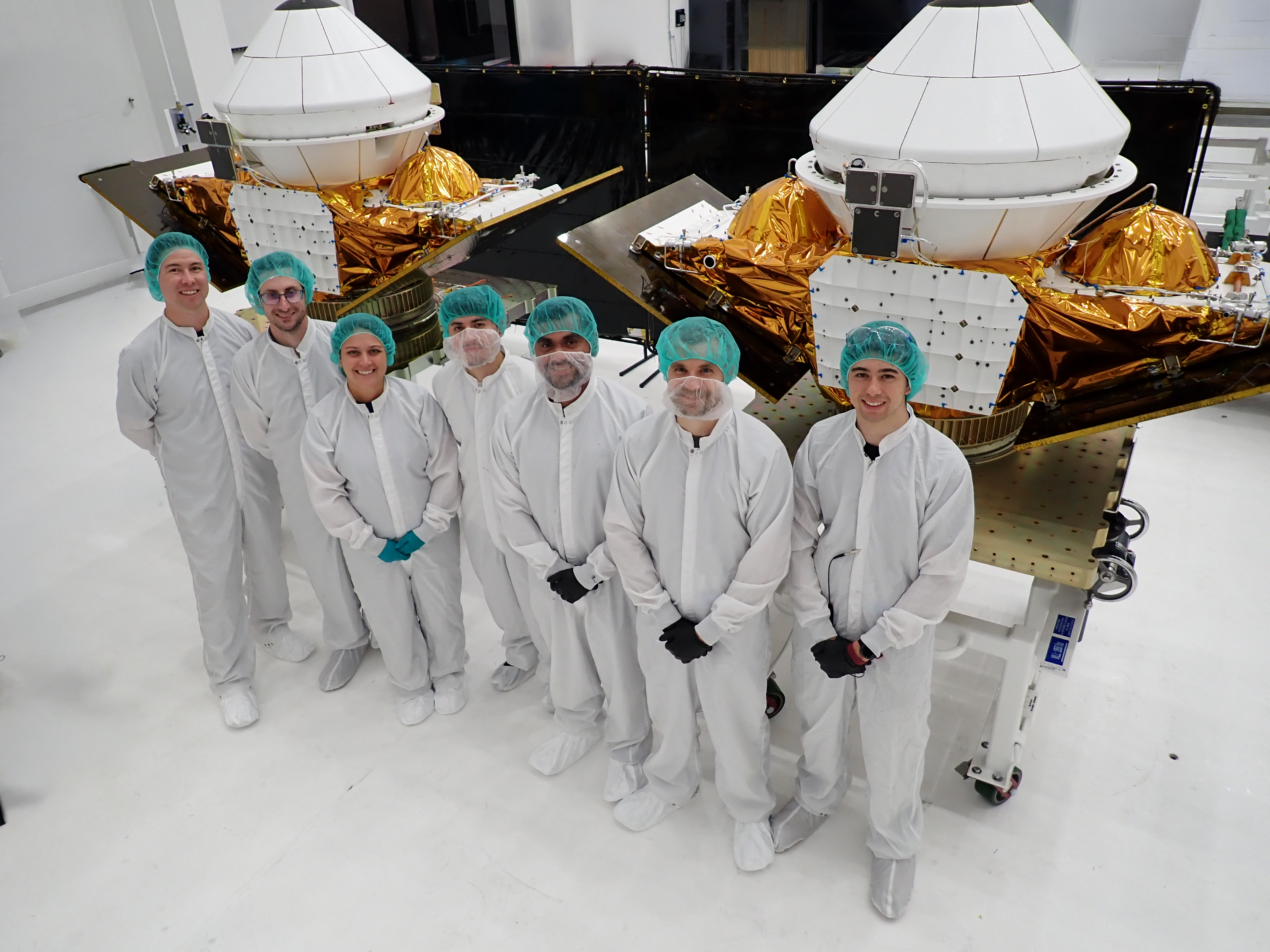
Lux Capital and Natural Capital led the round, which valued the company at $1.6B.


Rocket Lab will acquire space robotics company Motiv Space Systems.
The acquisition, announced Thursday evening in conjunction with Rocket Lab’s Q1 earnings, will achieve two goals:
Motiv is expected to be rebranded as Rocket Lab Robotics when the acquisition closes, which is scheduled for Q2.
Keep reading