
Op-Ed: Democrats Have Ceded Leadership on Space Policy
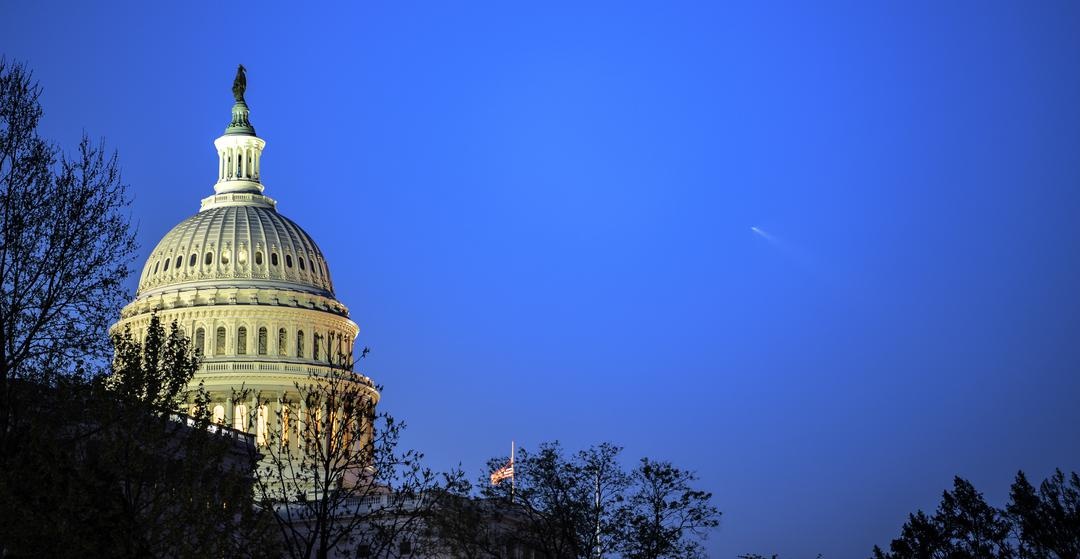
A quick glance at space-related bills introduced last Congress tells a clear story: Democrats led space legislation 30% less often than Republicans.
A quick glance at space-related bills introduced last Congress tells a clear story: Democrats led space legislation 30% less often than Republicans.
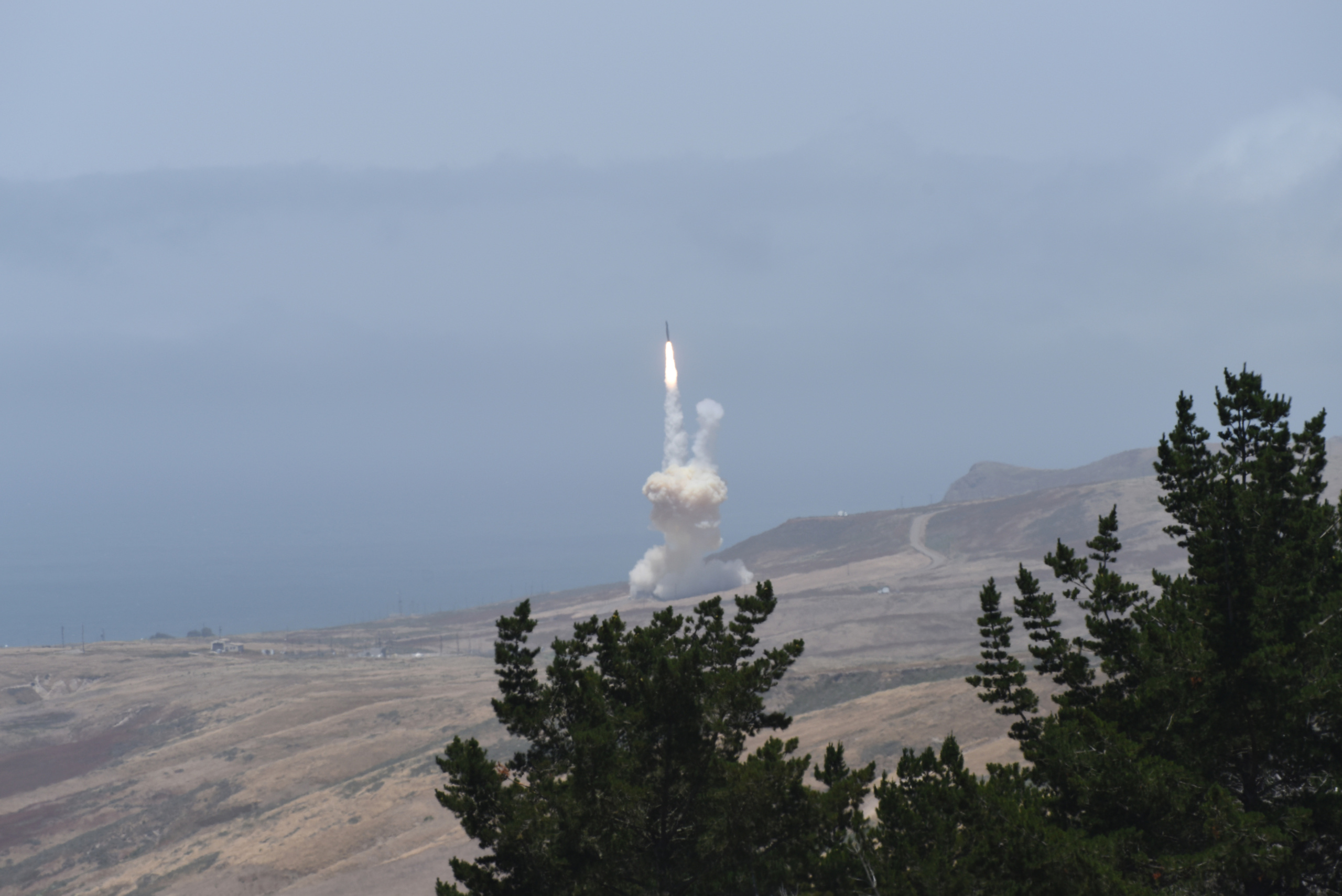
President Donald Trump’s executive order calling for a new, satellite-based missile defense architecture around the continental US has defense contractors salivating, but questions about the cost, capabilities, and requirement for such a system remain unanswered.
President Donald Trump reportedly wants to cut NASA’s budget by $5B, or 20%. The Planetary Society said the cuts would “plunge NASA into a dark age.”
Leaders from L3Harris argued that the company has already demonstrated many technologies that will be central to the Golden Dome architecture.
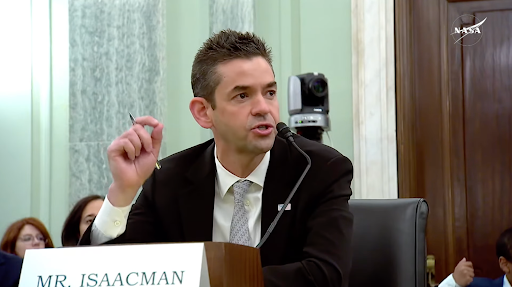
Jared Isaacman outlined a new path for human space exploration at his Senate confirmation hearing Wednesday.
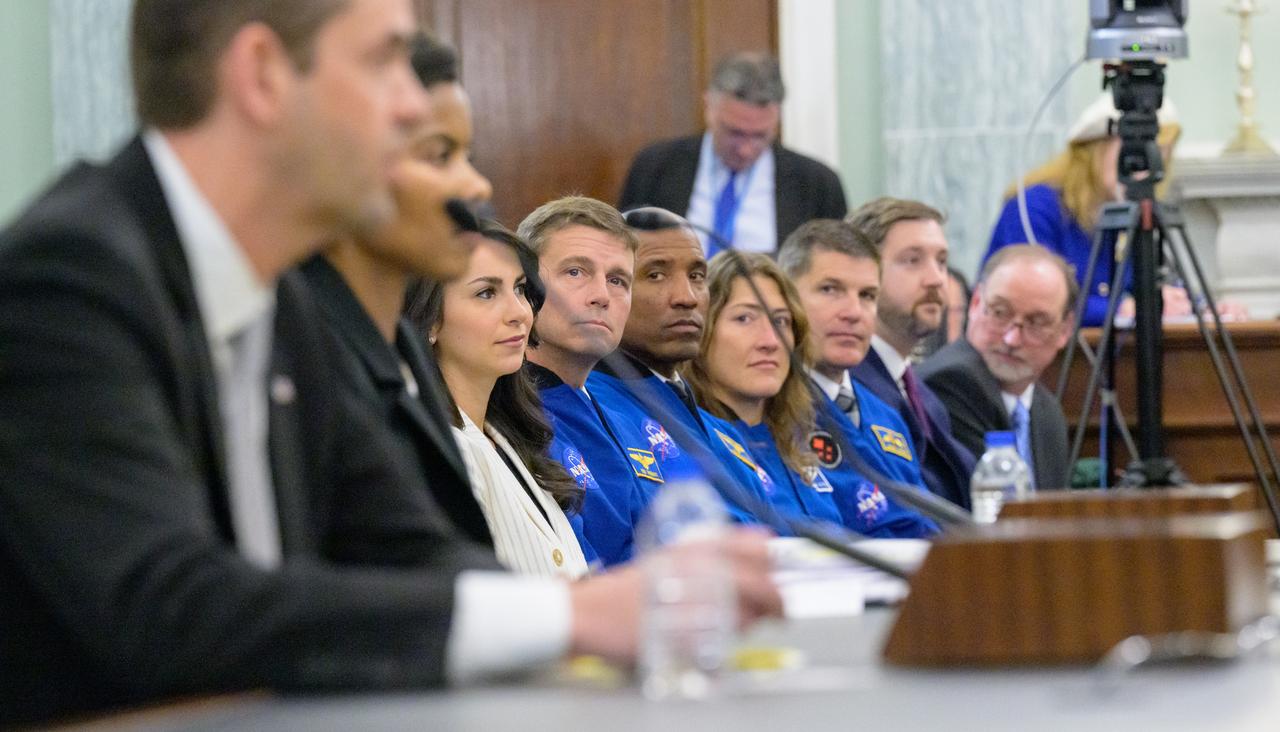
“Our nation is at a turning point where we face international competition from China, we have the opportunity to promote international cooperation with our partner nations, and we are witnessing radical change in the commercial space sector,” the 28 astronauts wrote in the letter, which was shared last weekend. “We believe that Jared Isaacman is uniquely qualified to lead NASA at this critical juncture.”
The Space Development Agency (SDA) announced last week it is pushing the launch of its Tranche 1 satellites until late summer due to system readiness and supply chain issues.
“There is not a global competition yet for Mars, so we need to take the right thing at the right time,” Dumbacher said. “The Moon first, then Mars.”
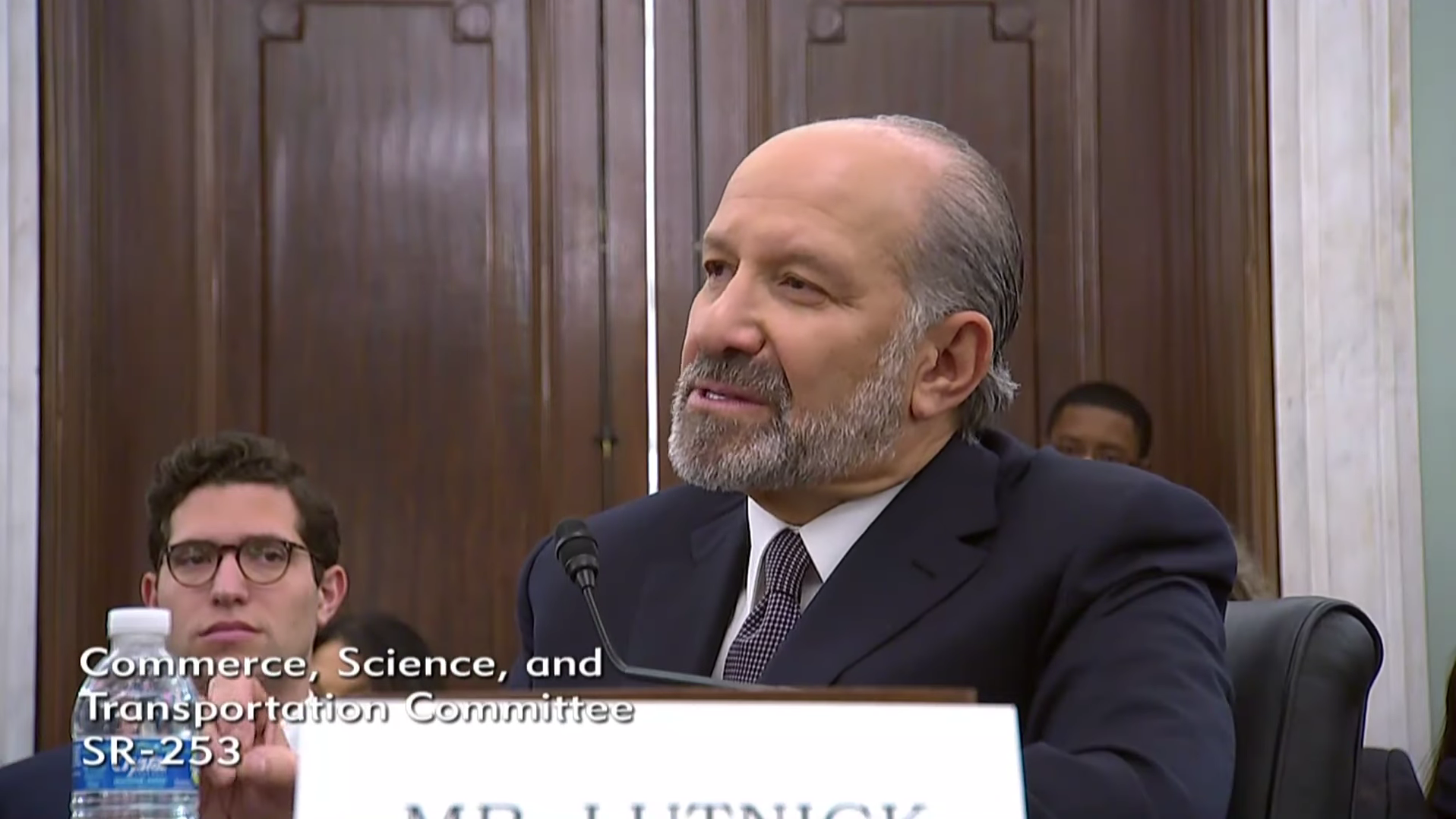
Howard Lutnick, Trump’s nominee to serve as secretary of commerce, committed to supporting the commercial space sector in his confirmation hearing on Wednesday.
After more than a year of review, there’s no concrete plan to retrieve scientific samples from Mars.
2024 was a record-breaking year for the global space industry. More launches from more spaceports brought more satellites into orbit, and 2025 is expected to be no different.
Axiom Space is reshuffling its space station module deployment plan at NASA’s request, installing a power module on the ISS in early 2027 before its habitat module.
Rep.-elect Jeff Crank (R-CO) is excited about the future of space—especially, what he can do as a freshman lawmaker to help the commercial space community keep growing.

In-depth research, exclusive data, and expert analysis on the business and policy of space. Get ahead of the competition.
Get Access Now