


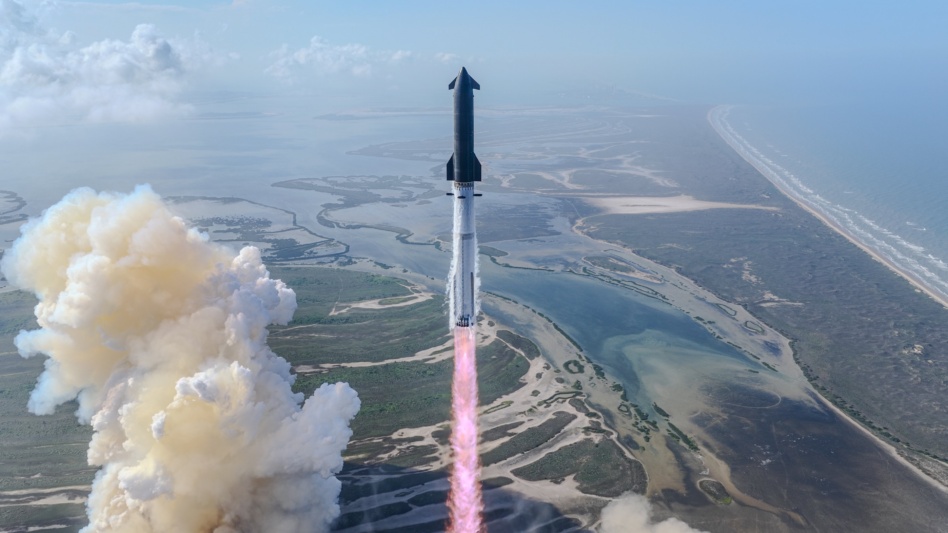
SpaceX launched its Starship V3 launch vehicle for the first time on Friday, unveiling a full suite of upgrades during the rocket’s twelfth test flight.
Starship lifted off the newly built pad in Starbase, TX, at 6:30pm, and proceeded to hit nearly all of its milestones, despite losing a few engines along the way.
- One of the 33 Raptor 3 engines cut out during ascent;
- The ship’s Super Heavy booster was unable to light all of its engines, and prematurely ended a partial boost-back burn before crashing into the Gulf.
Total overhaul: The launch showcased multiple upgrades SpaceX made to the launch vehicle and ground systems—both vehicle stages, the Raptor engines, and the launch pad.
For the Super Heavy booster:
- SpaceX increased the size of the booster’s grid fins by 50%, and reduced the total number of fins from four to three.
- The fins include new catch-points to support the vehicle’s return and reuse.
- The hot-stage-separation mechanism was upgraded to allow for reusability on future flights.
- The fuel-transfer tube was redesigned to allow all 33 Raptor engines to light simultaneously.
SpaceX also completely redesigned the Starship V3 upper stage. Upgrades include:
- An increased propellant tank volume;
- A new engine start-up method;
- Improved reaction-control method to improve in-flight steering;
- An enhanced PEZ dispenser to increase deployment speeds for each satellite;
- New docking ports to allow for in-space propellant transfer on future flights.
Shoot for the Starlink: During flight, Starship used its upgraded PEZ dispenser to deploy 20 Starlink simulators, as well as two modified Starlink sats, which imaged Starship during flight.
While many in the industry aim to leverage Starship through rideshare missions to orbit or cargo deliveries to the Moon and Mars—targeted to begin NET 2028—in the nearer-term, Starship will primarily be a Starlink deployment vehicle.
Starship is designed to carry 50+ Starlink Mobile V2 sats to orbit on each flight, and SpaceX announced in March that dedicated Starlink missions to orbit on Starship are expected to begin in mid-2027.
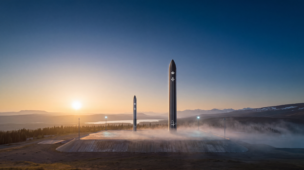
Reaction Dynamics Targets 2031 for Borealis Medium-Lift Launch
In the contest to build up commercial launch capabilities in Canada, Quebec-based startup Reaction Dynamics has entered a new weight class.

RATLOG Wants to Cut ~90% of a Rocket Engine’s Parts
The heavy-lift rocket startup debuted on Y Combinator as part of the Fall 2026 batch.
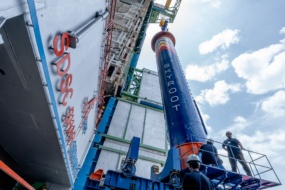
Reflect Orbital Buys Two Skyroot Aerospace Launches
Reflect Orbital announced the purchase of two launches today from Indian launcher Skyroot Aerospace.

DOT Proposes Changes to Part 450 Licensing Rules
On Tuesday, Transportation Secretary Sean Duffy announced five proposed FAA rules aiming to streamline and modernize commercial space launch and reentry regulations.

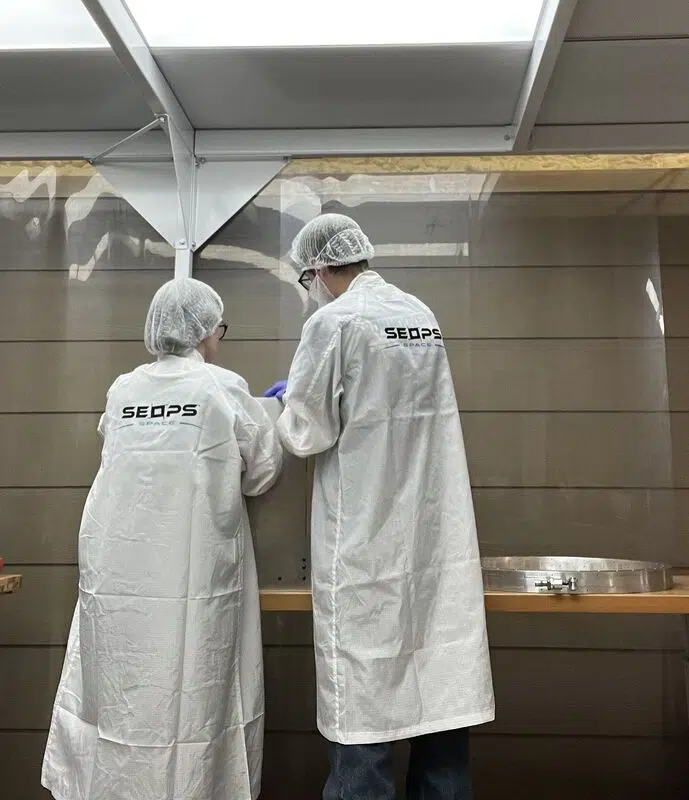
SEOPS today announced its new Waymaker rideshare option to LEO.
The first Waymaker mission will launch aboard a SpaceX Falcon 9 mission in 2028. The rideshare is designed to launch time-sensitive or non-standard payloads that can’t be accommodated on existing rideshare options. On top of that, SEOPS officials are hoping that Waymaker will help address shortages in global launch capacity.
More details: SEOPS shared some more details of its Waymaker rides, including:
Keep reading