


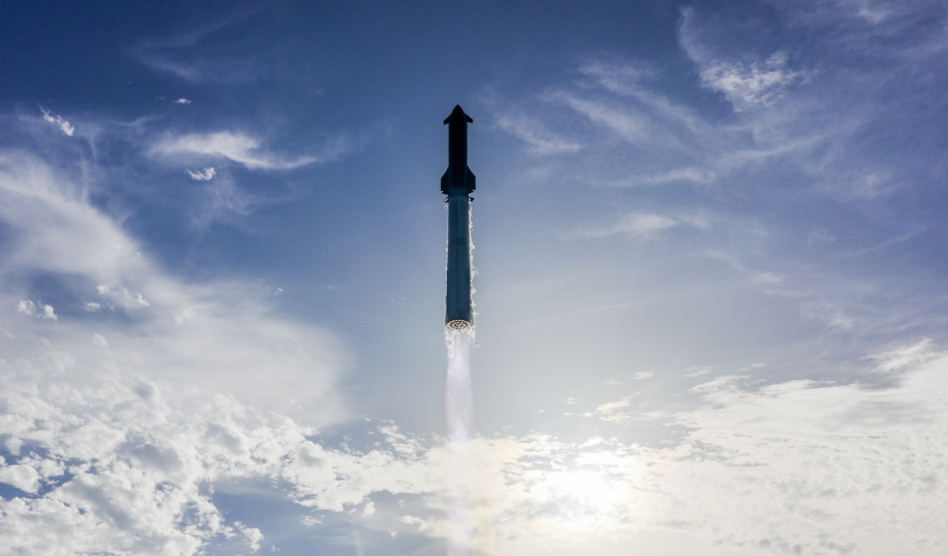
SpaceX’s losing streak is over.
After two days of weather delays, and a year filled with explosive test campaigns, the company’s Starship rocket and Super Heavy booster performed its most eventful flight yet—in a good way.
Starship lifted off from the pad at Starbase HQ in Texas at 7:30pm before flying to a suborbital trajectory. From there, it proceeded to hit every milestone for the flight, including:
- The Super Heavy booster jettisoned from the upper stage rocket and performed a boost back burn to set it on the path back to the Gulf, where it hovered over the water before a soft landing.
- Back on orbit, Starship opened its payload doors and deployed eight dummy Starlink satellites—a significant first for the rocket that is expected to play a key role in SpaceX building out its constellation.
- Starship then relit its Raptor engine and headed back to Earth for a soft splashdown in the Indian Ocean.
Talk to the hand: The rounds of applause in each of SpaceX’s watch parties in Florida, California, and Texas very nearly drowned out the growing criticism of SpaceX’s Starship campaign, which by one estimate has cost the company over $500M this year alone.
All year, SpaceX has dealt with tough outcomes for its Super Heavy class rocket, putting stress on the company’s “move fast and break things” approach, including:
- Back-to-back failures during test campaigns seven and eight, which created similar firework shows over the Caribbean, diverted flights, and sparked two separate FAA investigations.
- A third consecutive failure on test flight nine, where the rocket was unable to deploy its dummy Starlink satellites and eventually lost contact with the ground over the Indian Ocean.
- SpaceX also experienced an explosive anomaly of its Ship 36, initially destined for test flight ten, which turned the rocket into a mushroom cloud during a ground test in June.
What’s next: It’s unclear when the next Starship test will fly, but Elon Musk, SpaceX’s CEO, said that the company would ramp up its test cadence to once every three to four weeks following the ninth test flight in May.
If that timeline stays true, we could be in store for as many as six more flights before the year is out.
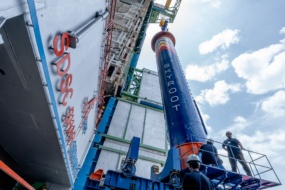
Reflect Orbital Buys Two Skyroot Aerospace Launches
Reflect Orbital announced the purchase of two launches today from Indian launcher Skyroot Aerospace.

DOT Proposes Changes to Part 450 Licensing Rules
On Tuesday, Transportation Secretary Sean Duffy announced five proposed FAA rules aiming to streamline and modernize commercial space launch and reentry regulations.
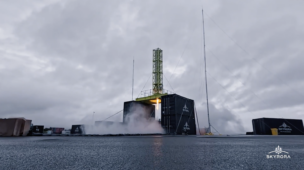
Skyrora Shifts Orbital Launch Timeline to 2030
First-mover advantage isn’t all it’s cracked up to be—at least, that’s the thought process for UK launcher Skyrora.
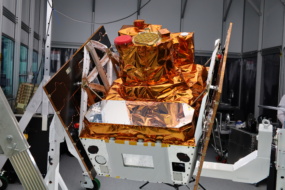
Transporter-18 Tests the Building Blocks of Orbital Data Centers
Few rideshares come with a theme, but SpaceX’s Transporter-18 had one: getting power to compute in orbit.

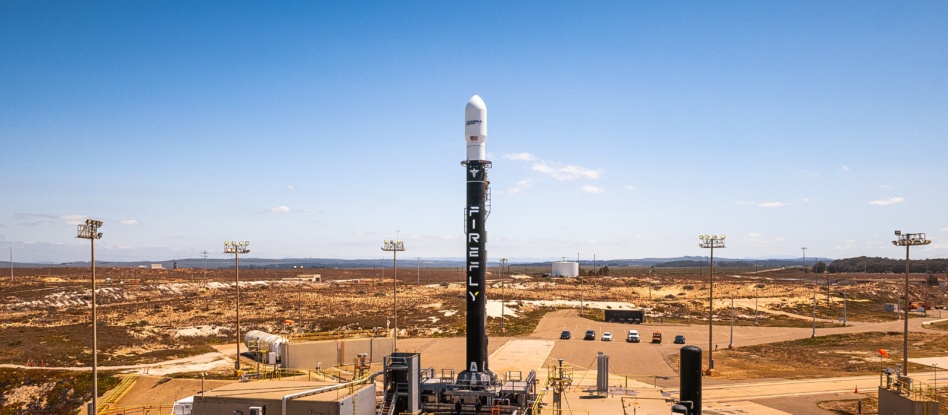
Firefly Aerospace closed the investigation into the failure of one of its Alpha rockets during an April mission for Lockheed Martin, and received clearance from the FAA to resume launches, the company said in a statement after markets closed.
The loss of the launch vehicle was a dark cloud hanging over the company’s otherwise successful IPO this month, and $FLY was up 5% in after-hours trading.
Deconstructed: Alpha Flight 6 launched in April from Vandenberg Space Force Base, and failed when its first-stage booster broke apart milliseconds after stage separation. This created a shockwave that destroyed the engine nozzle extension on the second stage and reducing thrust, seconds before the second stage attained orbital velocity.
The second stage continued to ascend until it reached an altitude of 320 km, where it ran out of propellant; both stages ultimately fell into the Pacific Ocean, and there was no risk to the public.
Keep reading