


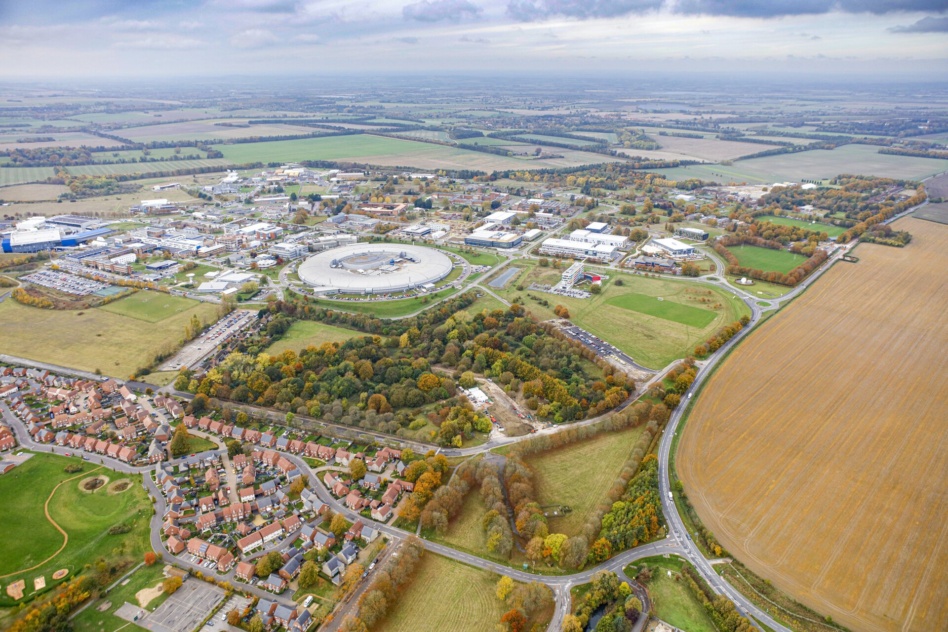
Fish and chips, Paddington bear, and national independence days the world over: the UK is known for a lot, but going forward the UK Space Agency (UKSA) would like everyone to add its booming space industry to that list.
At the UK Space Conference this week, the UKSA released a number of reports making a not-so-veiled case for increased government spending on the UK space industry, and positioning the sector to contribute to broader British nat sec and economic goals.
By the numbers: The UK Space Conference began with the release of UKSA’s “Size and Health of the UK Space Industry” report, highlighting the positive impact space has had on the British economy.
- The space agency estimated that space and satellite services contributed £454B (€525.3B) to the national economy, or 18% of the total GDP.
- In 2022/2023, the number of space organizations grew 7% YoY, to 1,907 in total.
- The space industry workforce also grew 7%, employing 55,500 workers, with a further 81,000 employed across the industry’s supply chain.
- While a small percentage of the total population, these workers have an outsized impact on the economy, with each employee adding £129,000 (€149,300) to GDP—more than twice the national average.
The same day, UKSA released its annual report, positioning itself as an unmatched driver of future prosperity and security.
- The agency said that it has “catalyzed” £2.2B (€2.55B) of investment and revenue into the national space sector.
- It also improved ROI from money invested in ESA, with a huge leap in its geo-return ratio of 0.99, representing €133.8 in additional contracts for the UK space industry.
- UKSA achieved the vast majority of the goals it set out for itself at the start of the financial year. Two items that remain on the to-do list? Completing the Sutherland spaceport, and standing up pathfinder launches from the UK.
UKSA also highlighted a RAND report, released this week, which found a ~7.5x return in overall economic benefit to the UK for the money the agency invested into ESA.
TL;DRs: The UKSA spent the week patting itself on the back for a job well done, while signaling to the UK government that its agency is a smart investment for economic prosperity.
As the space agency prepares to head to Bremen, Germany in November for ESA’s council of ministers, however, it’s not clear if it will increase its investment in ESA—or hold onto funds to funnel into the UK space industry directly.
“Like all member states, we will focus on what the value is to our country,” UKSA CEO Paul Bate said. “It’s not actually the money—the headline [ESA contribution] number—that matters, it’s the benefits that we can bring as a result of the ministerial.”

Seraphim Space Investment Trust Doubled its Value in 2026
Seraphim’s major holdings—ICEYE, ALL.SPACE, D-Orbit, HawkEye 360, and Xona Space Systems, which together represent more than 75% of the firm’s portfolio—all had a great year, and that success has trickled upwards.
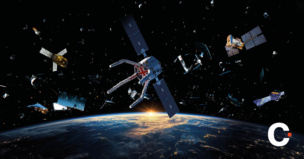
UKSA Taps ClearSpace for Country’s First Debris Removal Mission
The UK Space Agency is dressing up as a waste-management company for Halloween.
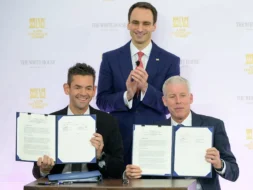
NASA Signs Space Nuclear Pact, Says Moon Base Is Ahead of Schedule
Isaacman gave updates at the White House’s “Science: A New Golden Age Summit.”
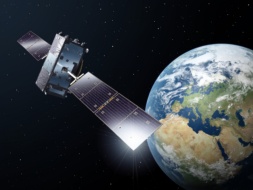
Europe’s Space Defenses Fall Just Shy of Weaponization
Europe doesn’t have any weapons in space—but that doesn’t mean the region is comfortable flying around in orbit defenseless.


The Space Force is still hankering for more maneuverability in space, judging by a new $3M SBIR award for Rocket Propulsion Systems (RPS) to build an orbital transfer vehicle around its Centurion engine.
“We’re starting with low-cost engines,” RPS cofounder and CEO Max Ismailov told Payload. “We will be selling our engines for $150,000—that’s unprecedented. Normal engines that have similar performance are $1.5M at least.”
For context, SpaceX CEO Elon Musk has said the internal cost of his company’s more powerful Raptor and Merlin engines is less than $1M each, thanks in large part to mass production.
Keep reading