


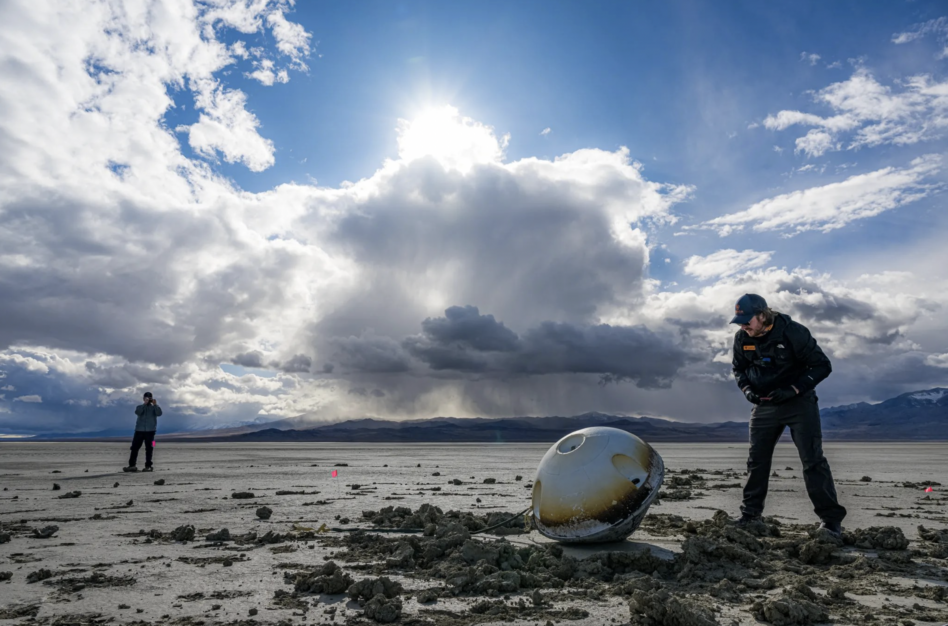
Varda’s space drugs are a-ok.
A molecular sample analysis released yesterday confirmed the company produced crystals of ritonavir—an HIV medication—in space. Crucially, Varda demonstrated the ability to keep the sensitive crystals stable during the capsule’s fiery reentry back home.
“Our process and hardware performed flawlessly throughout in-orbit operations, reentry, and recovery operations,” Varda wrote on X. “We successfully crystallized the least stable metastable Form III in orbit and brought it back to Earth.”
Cookin’ up: The El Segundo, CA-based startup launched its spacecraft to orbit on June 12. Two weeks later, the mini-lab got to work on its microgravity crystallization experiments. After months of negotiations with the FAA for reentry clearance, Varda landed its capsule in Utah on Feb 22.
Varda was able to keep sample vial temps below 23 °C despite the gnarly plasma-filled environment of reentry.
What’s next: Varda’s demo mission is just the first step. Now that it’s proven what’s possible, the startup is anticipating increased demand, a broader range of fabrication capabilities, and reduced price tags.

DOE Announces $400M for Frontier Science Research
The Department of Energy is super-charging research into bleeding edge energy tech.

Exclusive: Exolaunch Books its first Starfall Mission
Exolaunch signed an agreement to support customer payloads on a SpaceX Starfall reentry mission scheduled to launch on a Starship NET 2029.
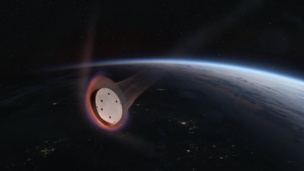
Exclusive: Space Cargo Unlimited Booked a Third of its Starfall Capacity
Demand appears to be skyrocketing, thanks to a new wave of pharmaceutical companies and researchers realizing that microgravity can provide benefits in drug discovery and research.
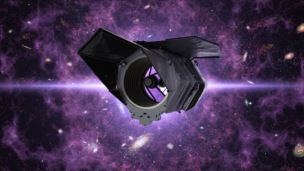
Roman Space Telescope Begins Its Journey to L2
The Nancy Grace Roman Space Telescope launched at 7:26 am ET on Sunday from KSC aboard a SpaceX Falcon Heavy rocket, starting its journey to Lagrange Point 2 and beginning a lengthy commissioning period.
Ed. note: This is a Payload Research analysis piece, authored by Jack Kuhr, Payload’s Research Director, and Mo Islam, Payload’s cofounder. Proprietary research, analysis, and estimates are labeled. You can sign up for Payload Research here.
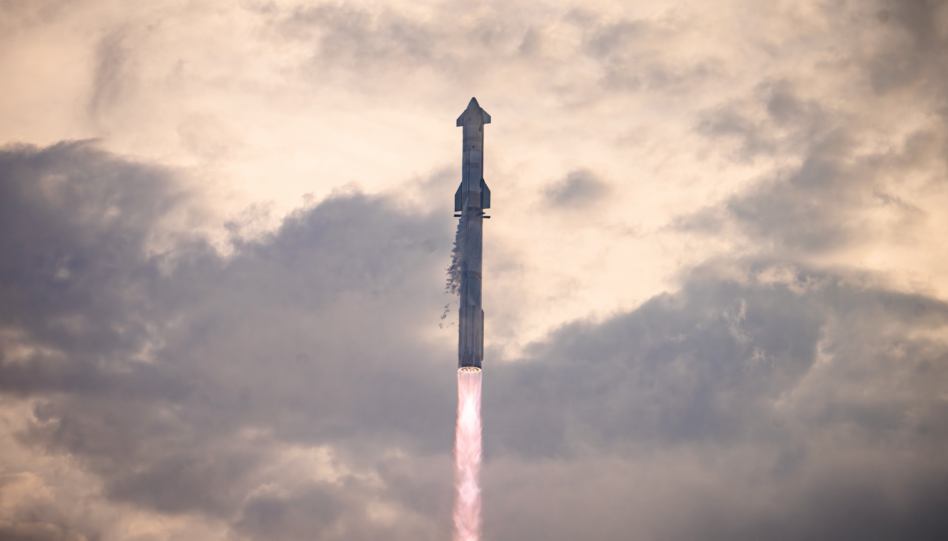
We have entered the Starship era.
Starship reached orbital velocity during IFT-3 last week, largely validating its capability as an expendable rocket while SpaceX continues to try to nail down vehicle recovery.
Keep reading