

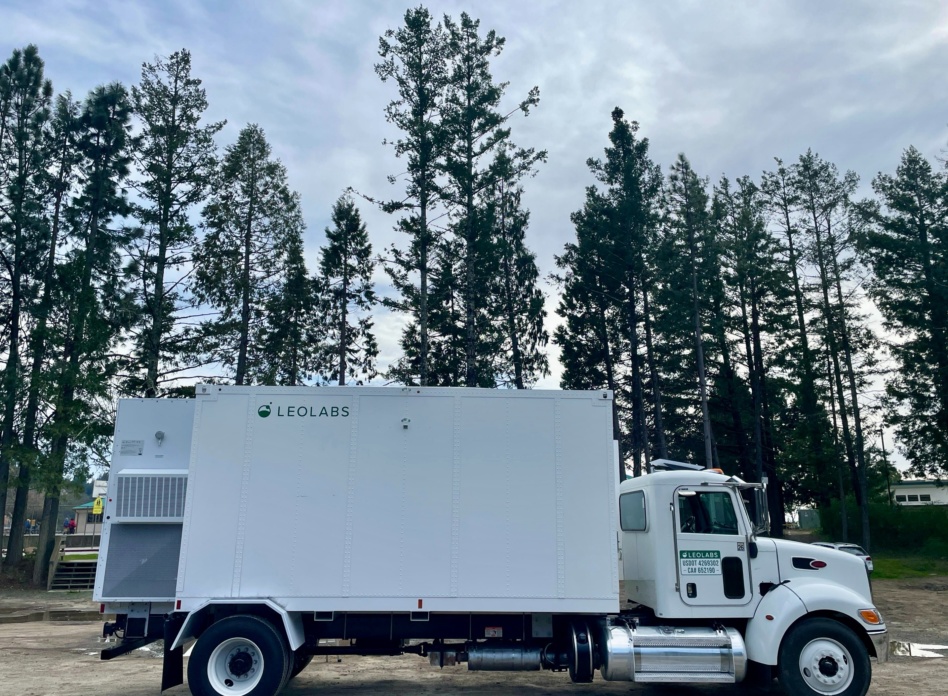
LeoLabs, the CA-based space domain awareness and space traffic management company, is unveiling the newest addition to its global radar network: Scout.
LeoLabs already operates 11 active radars at seven fixed sites around the world, providing satellite operators and defense organizations with detailed data on the movement of satellites and debris. The company tracks 23,000+ objects, and can detect debris down to about 10 cm in size.
On the move: Unlike the rest of LeoLabs’ fixed radar tech, Scout is a mobile radar platform that can be deployed anywhere in the world. At about the size of a shipping container, Scout can help gain radar coverage where knowledge of orbital freeways is lacking.
While LeoLabs’ radar network is dual-use, the company’s radar tech has received SBIR and STRATFI defense contracts. The idea is to gain more insights into the rapidly growing military sat networks of adversarial nations.
“[China is] on track to get to north of 100” launches this year, Tony Frazier, LeoLabs’ CEO, told Payload. “There’s a need to be able to have a proliferated radar network that’s able to detect those launches…maintain custody, [and] characterize both the launch and the payloads that they’re deploying.”
What’s next: To start, Scout will be deployed at LeoLabs Indo-Pacific site this year.
The company expects to deploy dozens of Scouts around the world to expand its radar network in the coming years. LeoLabs is also in discussions with customers to deploy the system on a ship or barge to gain insights over the ocean, according to Frazier.
Further down the line, the company is developing an even more advanced fixed radar, called Ranger, which will have the capability to detect and track space debris as small as 2 cm.
Correction: An earlier version of this story misattributed which LeoLab’s platform won a STRATFI contract. The Seeker radar received that award.
Exclusive: Meridian Space Spins Out from SpinLaunch
“Meridian will carry forward the satcom infrastructure business… SpinLaunch will continue to build on its vision for a lower-cost approach to launch, with further applications in hypersonics to support the Golden Dome program and in the lunar economy,” Meridian Space CEO Massimiliano Ladovaz told Payload.
Rocket Lab CFO Adam Spice Predicts More M&A Deals on the Horizon
Iridium shareholders voted overwhelmingly to approve the company’s acquisition by Rocket Lab. According to Rocket Lab CFO Adam Spice, there’s more M&A on the horizon.
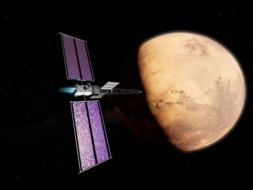
TRL11 Will Build Imaging Tech for SR-1 Freedom
TRL11 has received a NASA contract to provide imaging systems for the Space Reactor-1 (SR-1) Freedom mission to Mars.
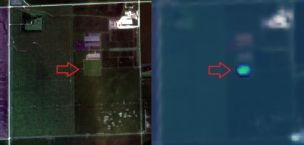
InnerPlant’s Glowing Soy Demos Hyperspectral Use Case
InnerPlant, which was founded in 2018, has enabled plants to let humans know when they’re under stress.

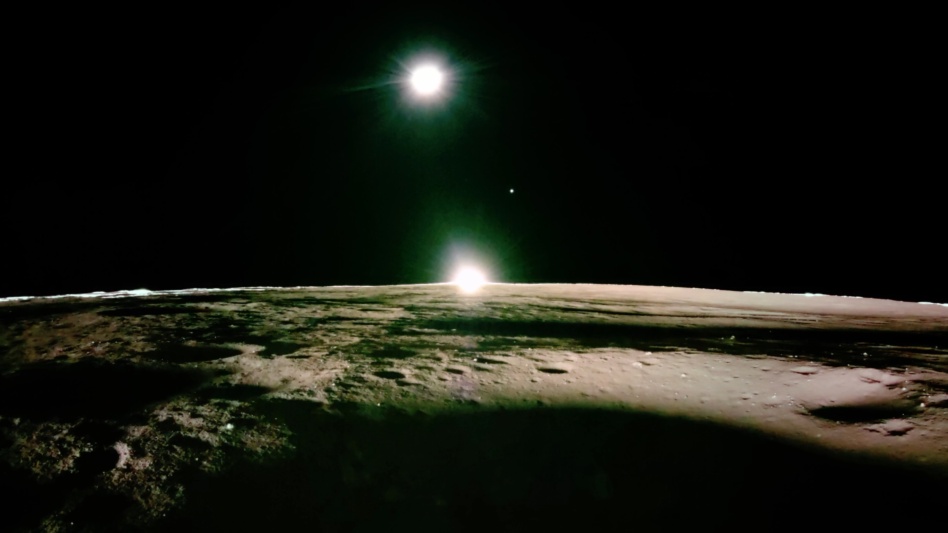
Blue Ghost’s lunar mission may be over, but scientists are just starting to sift through the data collected during the 14-day operation. One data point with big implications for future lunar missions is Voyager’s demo of its anti-Moon dust tech.
Voyager Technologies’ Clear Dust Repellent Coating (CDRC) is a passive, electricity-free technology designed to keep lunar regolith off equipment. NASA is studying the substance under its Regolith Adherence Characterization experiment.
Why it matters: Dust is a much bigger problem in space than it is in your house. Lunar dust is highly abrasive and clings easily to surfaces, challenging the success and longevity of space operations; regolith accumulation damages equipment over time. Dust is especially problematic for solar arrays, which can’t harness the sun’s power if they’re coated.
Keep reading