


It’s time for the aerospace and defense sector to learn to do more with less.
Last year, nearly 15% of employees left the aerospace industry, despite widespread efforts to retain more top talent, according to a report released Monday by AIA and McKinsey & Company.
“There is simply not enough talent to go around,” the report said. “Taking steps to stem attrition, and bringing about a massive productivity unlock, will be essential for A&D companies who want to remain relevant.”
The report’s findings came from interviews with more than 25 aerospace and defense execs, plus a review of data from more than 30 companies, split evenly between defense firms and commercial aerospace.
What’s been done: In 2024, companies focused on three ways to bring in more talent:
- Offering bonuses to workers who refer others to the company;
- Improving employees’ experience at work;
- Growing relationships with schools and universities.
In short, it wasn’t enough. While 36% of companies (up from 31% last year) said it was easier to attract employees in 2024 compared to 2023, the report found that companies are especially struggling to hire workers for the most in-demand jobs: broad-based engineering, skilled manufacturing, and software engineering.
And it’s not just hiring: “Retaining workers has proven even more challenging than attracting them,” the report said, in part because employees are searching for better pay and career development opportunities. What’s worse—these challenges are expected to continue through at least 2033.
What’s next: “The current approaches are no longer feasible,” the report stated. “Organizations must figure out how to do more with the workforce they already have, which means retaining that talent they’ve worked so hard to secure, and driving a significant boost in productivity with that talent.”
The report made three recommendations to do this:
- Rethinking how work gets done, including increasing the use of AI and automation;
- Improving training for the existing workforce, to boost both behavioral and technical skills;
- Taking steps to improve retention—including increasing salaries, since compensation is the top reason workers leave a job.
Velos’ Election Day Tracker for Space
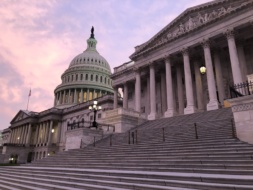
Space may not be top of mind when voters head to the ballot box, but Election Day outcomes still have a big impact on US policy and funding above the Kármán line.

Colorado Springs, Huntsville Team Up on Golden Dome
“It’s a transformed relationship between Colorado Springs and Huntsville,” Rep. Jeff Crank (R-CO) told Payload. “When I took office, I don’t think it was a bad relationship, but it was one where both communities were kind of looking over their shoulder at the other. That wasn’t good for America, and I don’t think it was good for Colorado Springs or Huntsville either.”

Artemis Accords To Meet on Lunar Debris, Emerging Space Help
The Artemis Accords Principals’ Meeting in Turkey will be led by NASA Deputy Administrator Matt Anderson and Maj. Gen. Roberto Melgar Sheen, director of the Peruvian Space Agency.
FCC to Vote on Waiving NEPA Review for Space Ops
The FCC will vote Sept. 30 on whether to narrow which commission activities face environmental review, and streamline the process for the ones that require assessment.

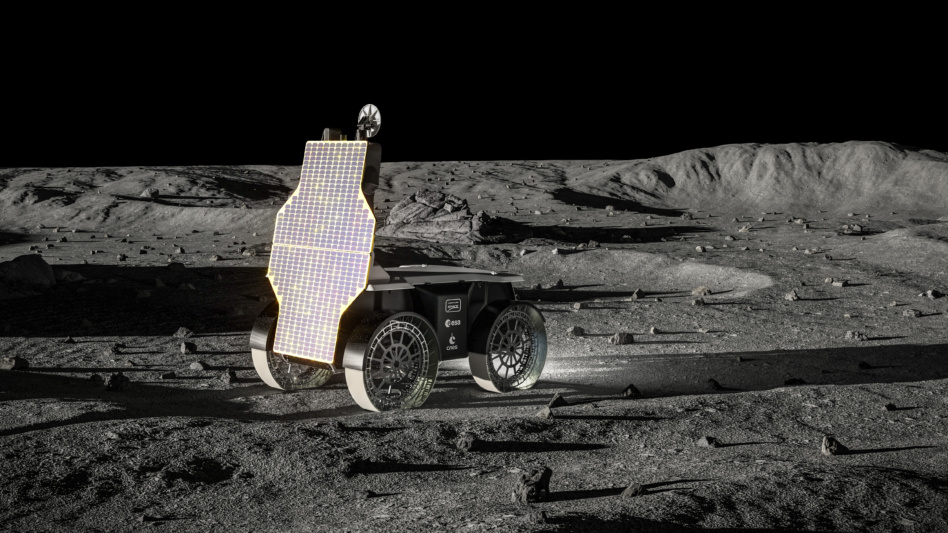
Venturi Space France is developing a lunar rover—named Mona Luna—to support future ESA and CNES missions to the lunar South Pole.
The rover will share many components designed for US-based Venturi Astrolab’s FLIP and FLEX rovers—including hyper-deformable wheels, electrical systems, and high-performance batteries. One key difference? This project will be 100% European made.
Boldly going: Mona Luna is targeting a 2030 launch aboard an Ariane 64 rocket, which will bring the rover to the lunar surface aboard Europe’s Argonaut lander.
Keep reading