


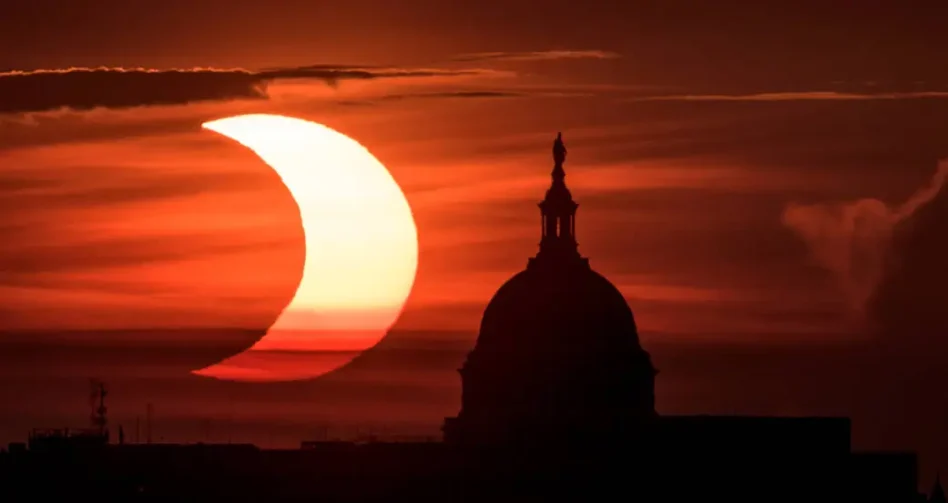
Senators introduced a pair of bipartisan bills last week aimed at streamlining regulations and boosting talent in the space sector.
Cross pollinate: The NASA Talent Exchange Program Act would boost collaboration between the space agency and industry—by letting staff from each side walk a mile in the other’s shoes.
The bill—which was introduced by Sens. John Cornyn (R-TX), Andy Kim (D-NJ), Roger Wicker (R-MS), and Alex Padilla (D-CA)—would create a Public Private Talent Exchange Program at the agency. The program would allow NASA staff to work in industry—and allow commercial employees to work at NASA—for rotations lasting between three months and two years, with an option to extend another year.
However, this isn’t the bill’s first rodeo. It’s been introduced before in both the House and Senate going back to 2023, but never made it out of committee.
Streamline: Senators also introduced the Satellite and Telecommunications (SAT) Streamlining Act, which would make it easier for satellite operators to apply for and secure FCC approval. The bill would give the agency one year to improve the FCC’s application process. The aim is to both entice companies to base operations in the US, and to boost access to broadband for rural areas.
The bill, which was introduced by Sens. Ted Cruz (R-TX) and Peter Welch (D-VT), has also been considered by Congress before, when Cruz introduced the bill solo in 2024.
Early support: The bill has already won praise from policy and industry groups alike.
- The Progressive Policy Institute commended senators for “coming together to help make the satellite industry more globally competitive through regulatory streamlining.”
- The Satellite Industry Association also supports the bill, saying that “standardizing the regulatory review process to prevent unnecessary licensing delays will help ensure continued American innovation, industry investment, and US leadership in the global space economy.”
Next steps: Both bills will need a hearing, and a favorable vote, in the Senate Commerce, Science, and Transportation Committee to have a chance at passage.

Congress Seeks Answers On Starlink Disruptions in Ukraine
“The United States government has a fundamental obligation to protect American personnel serving overseas,” the senators wrote. “The possibility that American personnel were endangered by preventable disruptions, inadequate coordination, or decisions made by their own government demands immediate scrutiny and accountability.”
Velos’ Election Day Tracker for Space
Space may not be top of mind when voters head to the ballot box, but Election Day outcomes still have a big impact on US policy and funding above the Kármán line.
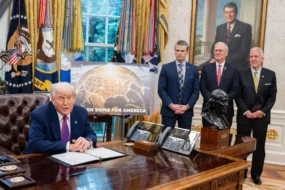
Colorado Springs, Huntsville Team Up on Golden Dome
“It’s a transformed relationship between Colorado Springs and Huntsville,” Rep. Jeff Crank (R-CO) told Payload. “When I took office, I don’t think it was a bad relationship, but it was one where both communities were kind of looking over their shoulder at the other. That wasn’t good for America, and I don’t think it was good for Colorado Springs or Huntsville either.”

Artemis Accords To Meet on Lunar Debris, Emerging Space Help
The Artemis Accords Principals’ Meeting in Turkey will be led by NASA Deputy Administrator Matt Anderson and Maj. Gen. Roberto Melgar Sheen, director of the Peruvian Space Agency.
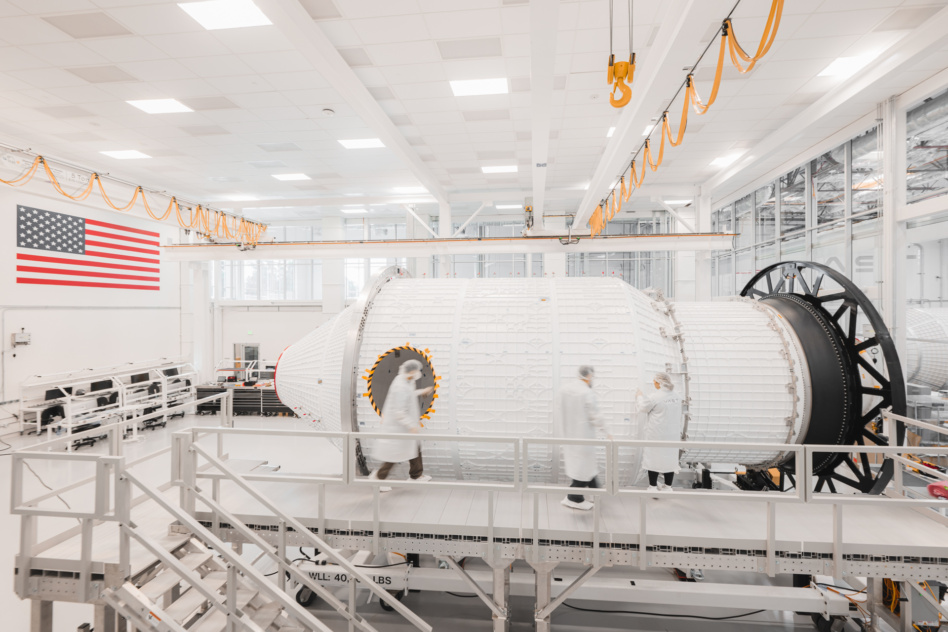
Vast has delayed the launch of its commercial space station until next year, the company announced on Tuesday.
Haven-1, which was expected to launch in 2026, will now launch no earlier than Q1 2027—and it could be significantly longer before the station gets its first crew.
The station is expected to be able to host a max of four commercial astronauts for missions lasting up to two weeks. SpaceX’s Dragon capsule will bring astronauts to the station (and provide the station’s life support and power)—and Vast CEO Max Haot said crewed flights won’t start until the launcher is confident in the station’s safety.
Keep reading