


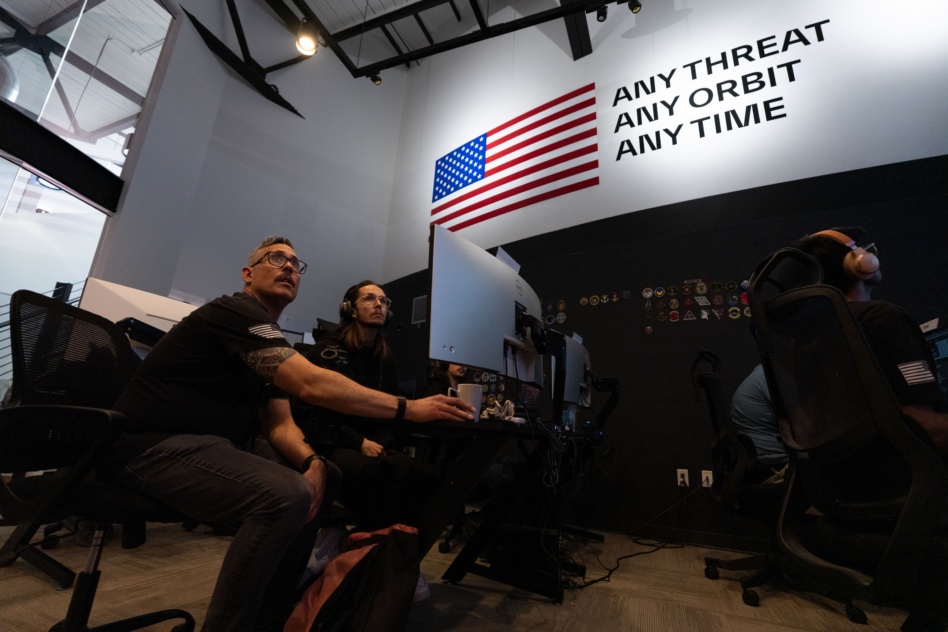
True Anomaly has found, approached, and imaged a Rocket Lab spacecraft, marking the successful end of the first VICTUS HAZE mission.
The company announced that its Jackal spacecraft—dubbed Panther for the exercise—has so far nailed its orders from SSC, demonstrating what’s possible when it comes to tactically responsive space operations.
VICT(orio)US: Here’s just some of what the two industry players have accomplished since the mission began on June 19:
- Rocket Lab launched less than 17 hours after receiving notice from SSC.
- True Anomaly found Rocket Lab’s craft—dubbed Puma—in orbit within hours of the launch.
- True Anomaly’s spacecraft approached and circled Puma, imaged and characterized the spacecraft, and delivered the info and photos to the military.
- Puma acted as a non-cooperative target—not making True Anomaly’s job easier, but also not actively trying to dodge its approach.
SSC ordered True Anomaly to deliver the imagery within 72 hours of receiving the order. True Anomaly did it in 61.
Real world: True Anomaly CEO Even Rogers said the mission is trying to simulate the conditions of tracking an adversarial spacecraft, including not allowing the two companies to directly communicate outside of a trusted communications path.
“This is pretty close to the real world,” Rogers said. “This is all live. It really is a watershed moment for tactically response operations for the space community, particularly in low Earth orbit.”
What’s next: SSC will be tasking the two companies to do “a lot more missions” over the coming weeks and months, according to Rogers. The operators are taking a “crawl, walk, run, approach”—and upcoming missions are expected to include increasing complexity and speed.
And—because the mission is entirely unclassified—it’s likely we’ll learn more about the success of these future orders.
“That’s an important part of this story,” Rogers said. “If this gets stuck in a classified hole somewhere and only 50 people can know about it, then it’s not benefiting the lawmakers, policymakers, doctrine creators, requirements generators, and operations—which are the key stakeholders in all of this.”
DIU and SSC Announce Joint GHOST-R Mission
DIU and SSC announced GHOST-R, a joint effort to bring low-cost reconnaissance to GEO under SSC’s RG-XX program.
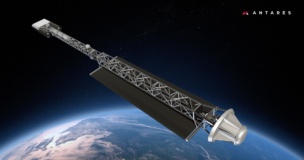
Antares Wins $161M Award for Space Nuclear Power
Antares announced today that it won a $161M DoD contract to advance nuclear power for space—which Antares says is the largest DoD space nuclear award to date.
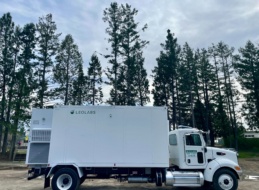
LeoLabs Wins $20.68M Space Force Award for Scout
LeoLabs is applying its radar tech to national security missions under a new contract with the Space Force, announced Wednesday.

SpaceWERX Announces 2026 STRATFI Awardees
The Space Force announced the newest awardees of the SpaceWERX Strategic Funding Increase program during the Fed Supernova conference on Thursday.

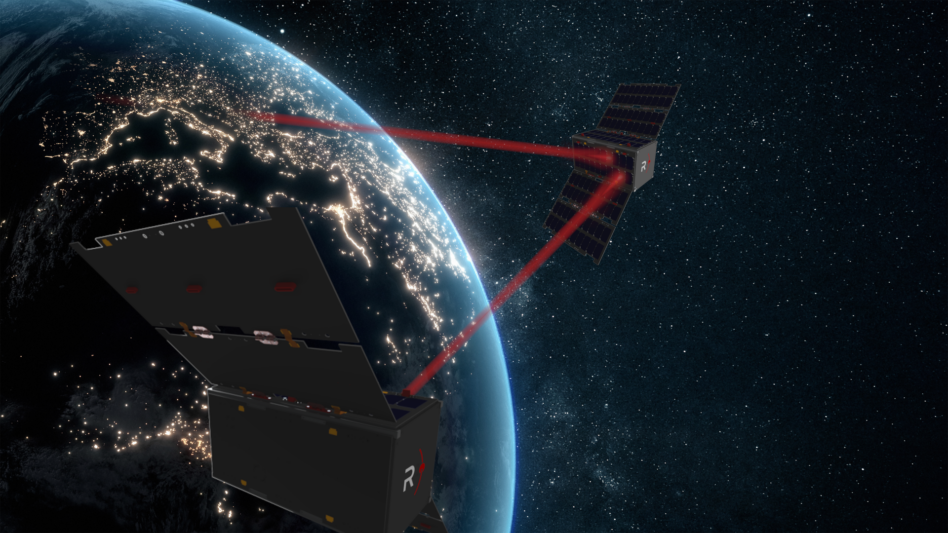
Austria is pressing its bet on space.
The Austrian Ministry of Defence has selected local startup R-Space to act as the prime contractor for the country’s second military satellite, which is expected to launch in 2027, according to R-Space CEO Carsten Scharlemann.
The mission—dubbed Aurora—will attempt to demonstrate space-to-ground laser communications, as well as quantum encryption technologies, using Austrian space industry expertise
Keep reading