


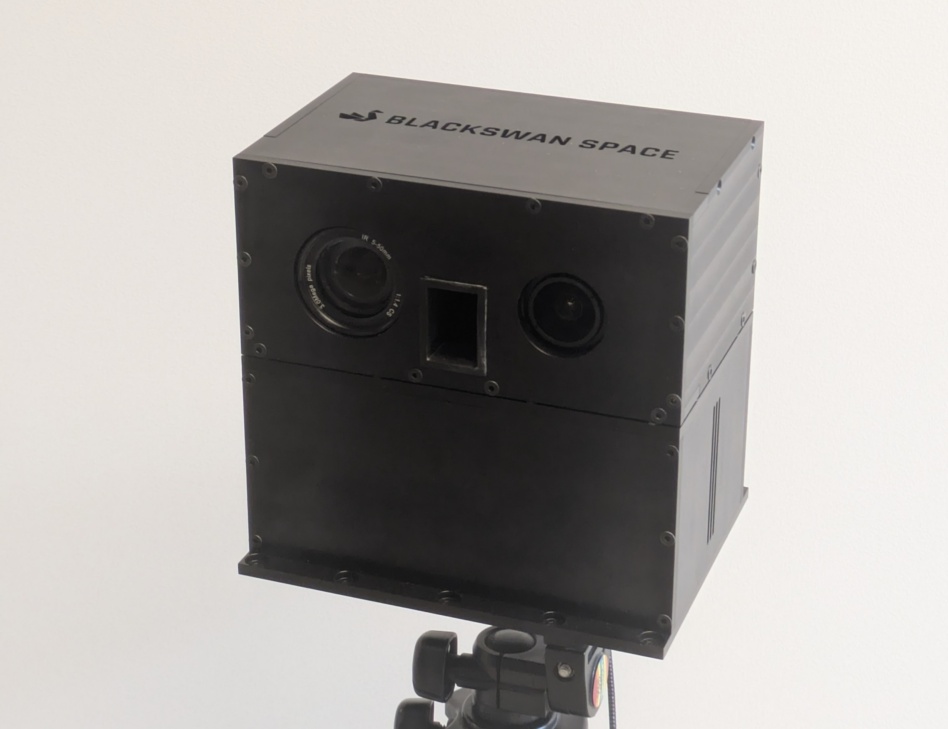
Blackswan Space, the Lithuanian startup best known for its mission design simulation software, closed a €2.5M ($2.8M) seed round to begin sending payloads to orbit, the company announced today.
Iron Wolf Capital led the round, which included participation from Lemonade Stand and NGL Ventures, as well as angel funds from NanoAvionics cofounder Linas Sargautis and Lithuanian serial entrepreneur Tomas Žalandauskas. With the new capital, Blackswan’s total fundraising stands at €3.2M ($3.6M).
Step on the gas: The round comes as Blackswan gears up for its first in-orbit mission. The company has developed a payload—called RPO Kit—which uses vision-based navigation (VBN) techniques to enable customer spacecraft to perform autonomous navigation and RPO maneuvers in orbit.
The new capital will finance RPO Kit’s first in-space demo, expected to fly in Q4 2027 as a hosted payload aboard an undisclosed partner satellite. Following this self-funded demo, Blackswan officials say they expect to quickly ramp up to full operations.
In November, Orbit Fab selected Blackswan’s RPO Kit to provide the RPO and docking capabilities on the refueling startup’s first ESA-funded mission—called ASTRAL, which is expected to fly in 2028.
“The RPO Kit came about from my conversation with [Orbit Fab cofounder] Daniel Faber,” Blackswan CEO Marius Klimavičius told Payload. “Back in 2021 or 2022, he told me, ‘Look, if I can buy an RPO kit from the market right now, I would buy one. But I am struggling to find one.'”
Blackswan’s RPO Kit isn’t just purpose-built for Orbit Fab.
- The company developed the software behind RPO Kit in-house, and sourced the bulk of the hardware from COTS parts, including commercial optical sensors, and NVIDIA computing chips.
- Blackswan is betting that in-space servicing companies will balk at the work required to develop their own RPO capabilities, and chose to turn to the market instead of reinventing Blackswan’s wheel.
The company’s ultimate competitive advantage, however, may lie in being one of the first to the market, and Klimavičius told Payload he expects demand to spike once the demo is complete.
“Docking is probably the most complex thing that you can do in orbit…So you really need experts that have done this before,” Klimavičius said. “If we go through that successfully, whether with this IOD [in-orbit demonstration] next year or with ASTRAL…then we’ll have plenty of opportunities.”
What’s next: While Blackswan preps for its first flights off world, it also plans to invest part of the new capital to expand its physical footprint in the US—in the hopes of locking down contracts from American in-space servicing companies.
Exclusive: Hop Aero Raises $11M for Suborbital Point-to-Point Delivery
The suborbital point-to-point logistics company announced $11M in funding today following its participation in the summer Y Combinator batch.
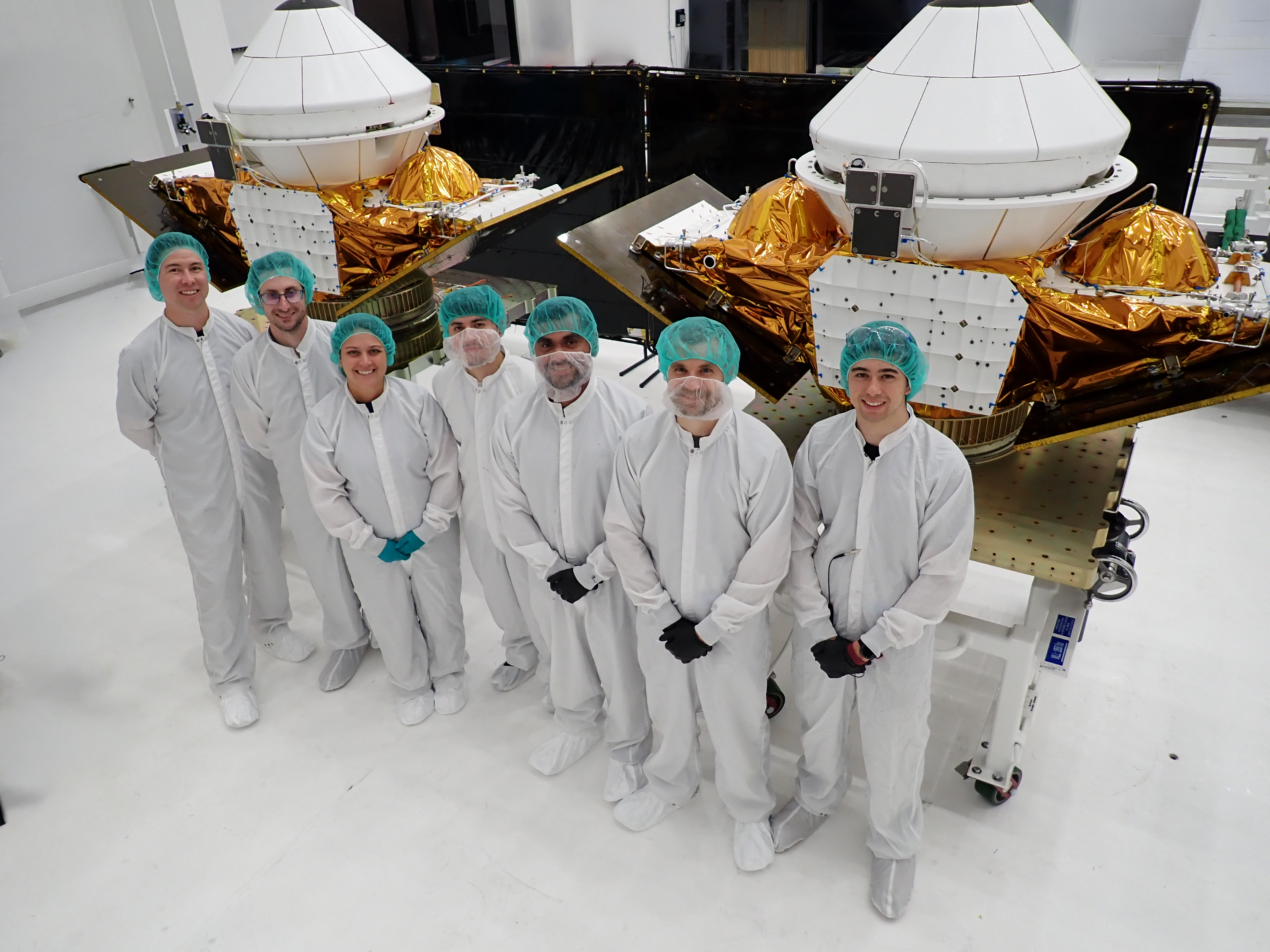
Varda Raises $251M Series D
Lux Capital and Natural Capital led the round, which valued the company at $1.6B.
Star Catcher’s Orbital Power-Beaming Demo is Ready for Launch
Star Catcher announced today that its prototype power node is prepped and ready for launch NET Oct. 1.
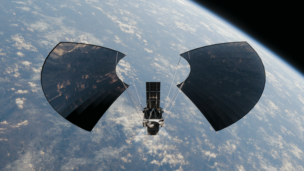
FUSE Grows Its Space Portfolio
When FUSE was founded in 2020, the goal was to bring the Bay Area VC experience to software firms in Seattle, WA. However, the VC firm has since found success among the stars and broadened its reach across the US, announcing its eighth space investment this week.

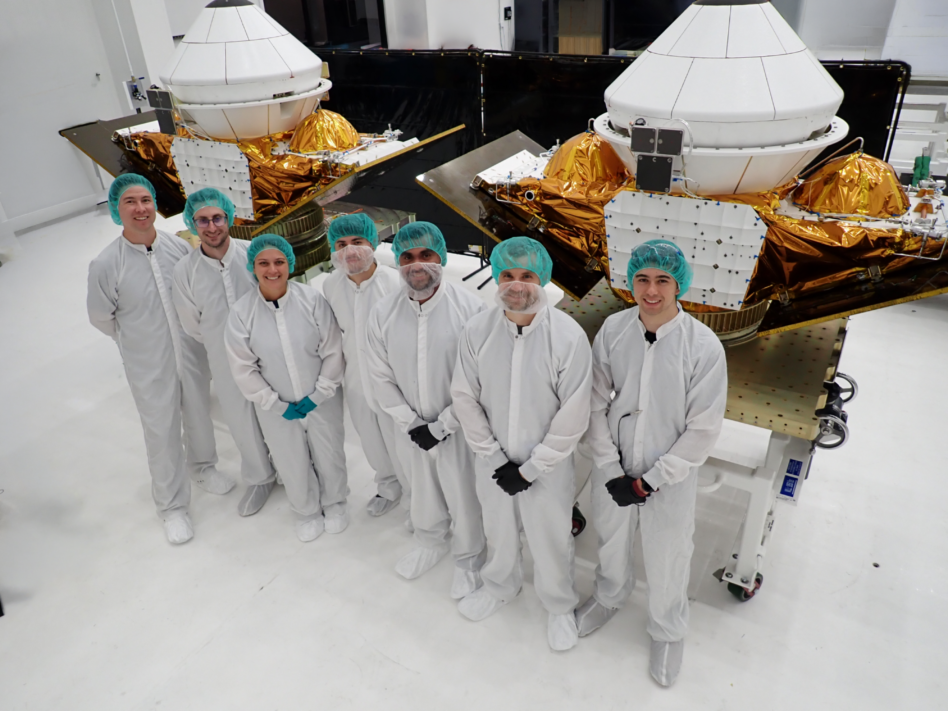
Varda has closed a $251M Series D to scale its business of making pharmaceuticals in orbit.
Lux Capital and Natural Capital led the round, which valued the company at $1.6B. Founders Fund, Khosla Ventures, Caffeinated Capital, General Catalyst, 8090 Industries, Giant Step, and Also Capital also joined.
The new funding brings the total amount raised by Varda to nearly $600M.
Keep reading