



Kapta Space, a Seattle, WA-based startup building next-gen radar payloads designed to track moving targets, today announced a $24M Series A—bringing the company’s total financing to $30M since its founding in 2022.
Washington Harbour Partners and Bison Ventures led the round, which included participation from MetaVC Partners, MYDA Advisors, Entrada Ventures, Aurelia Foundry, and Fitz Gate Ventures.
Eye on the ball: The new capital will fund the production of Kapta’s low-cost moving target indication (MTI) radar payloads in support of classified MTI missions the company secured this year.
“We are executing on two …high-profile demo missions that will lead to highly proliferated MTI missions in the future,” CEO Milton Perque told Payload. “The flight heritage will come in the next 24 to 36 months.”
The US government has invested heavily on increasing its space-based ISR capabilities, buying data and services from a range of EO operators across SAR, optical, thermal, and hyperspectral mediums. However, Kapta is building something outside of the government’s current capability set.
Kapta’s radar payload is designed with a new take on electronic steering. The radar is expected to offer a wide view, while maintaining custody of a moving target across land, air, and sea—at significantly lower cost, power, and complexity compared to active electronically scanned arrays.
The result is that Kapta’s expects its radar payload to be able to track missiles in the mid-course phase, where missiles have been known to evade ground-based radar sensors.
Kapta’s radar is also designed to be modular, so even a scaled-down version could offer SAR capabilities to satellite operators looking to fly simpler radar tech in a smaller form factor.
Over the dome: While the capability seems tailor-made to Golden Dome, Perque told Payload that Kapta’s program predates and “transcends” the proposed missile-defense shield. The US government has “for decades” tried to move its radar capabilities to orbit, but the costs and complexity involved have been—until now—prohibitive.
“Historically, [space-based radar] has been extremely expensive, and so that has denied our ability to proliferate those into the hundreds or thousands that are required to meet the CONOPS of an MTI system,” Perque said. “We have our own IP-protected proprietary architecture that changes the economics and the scalability of spaceborne radar.”

Satlyt Raises $8M Seed to Expand Its Virtual ODC Network
Satlyt was founded in 2024 by Afullo, an alum of SpaceX and Google who spent years trying to convince both companies to invest in in-space edge computing opportunities.

Space Insurer Charter Space Raises $5M Seed Round
You can bundle your home and auto insurance with the click of a button, but covering your spacecraft has traditionally been a little trickier.
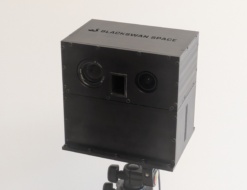
Blackswan Space Raises €2.5M Seed to Fund RPO Kit Demo
The round comes as Blackswan gears up for its first in-orbit mission of its RPO Kit payload.
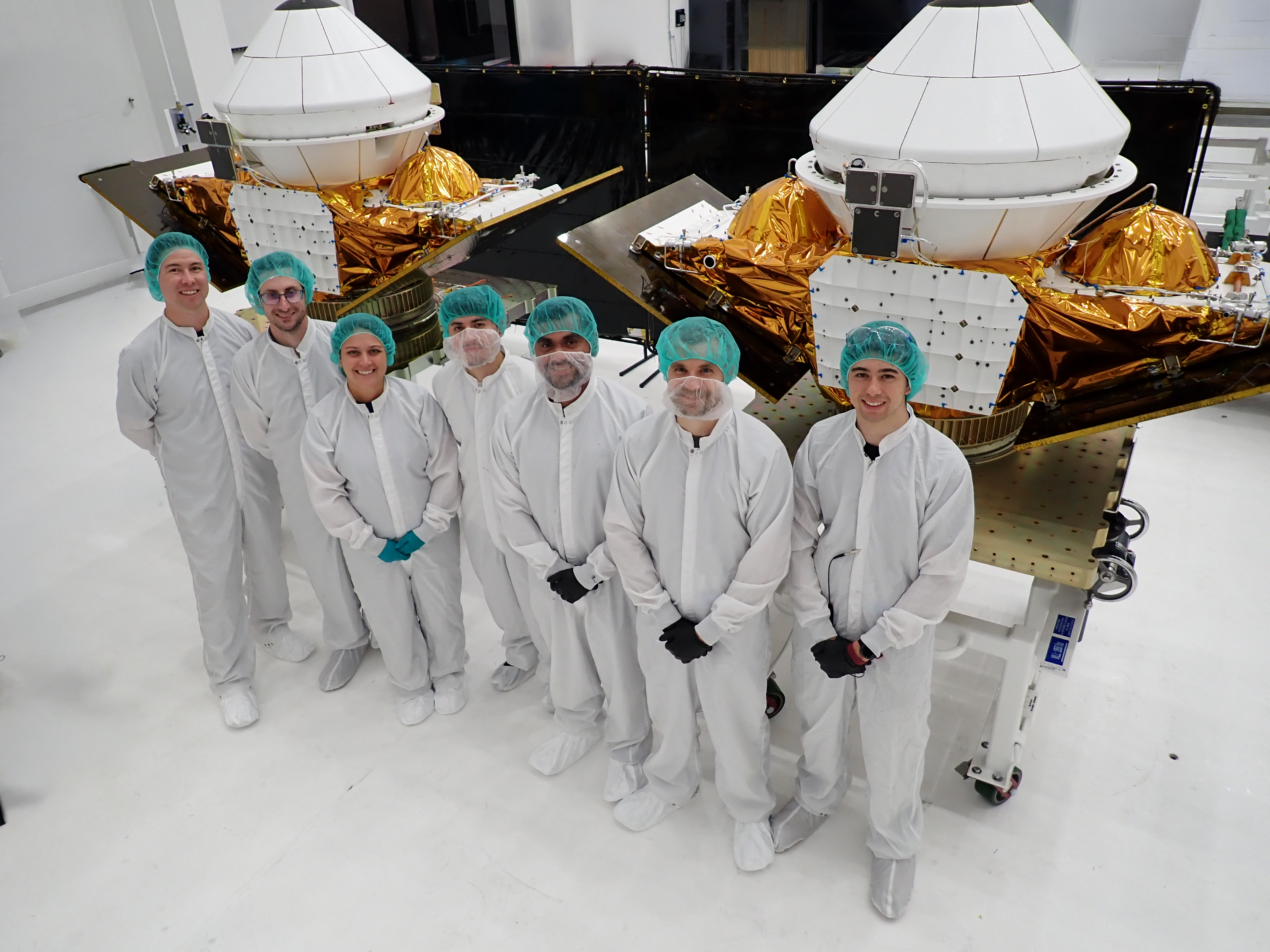
Varda Raises $251M Series D
Lux Capital and Natural Capital led the round, which valued the company at $1.6B.

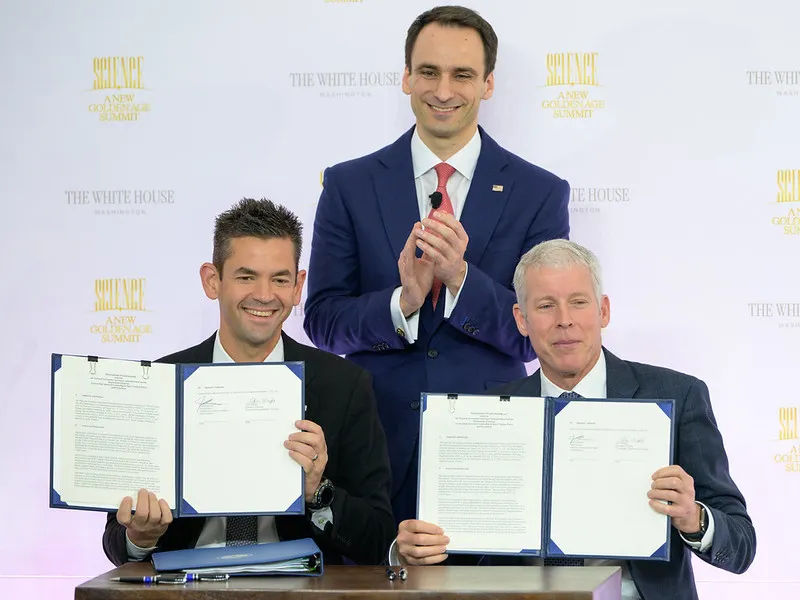
To paraphrase the White House, the US scientific enterprise is so back.
On Thursday, the White House Office of Science and Technology Policy (OSTP) hosted the “Science: A New Golden Age Summit,” following up on the July namesake report.
The biggest space news came from NASA Administrator Jared Isaacman and Energy Secretary Chris Wright, who signed an agreement to accelerate cooperation between the two agencies on space nuclear power and propulsion. Nuclear power plays a central role in the agency’s plans for its Moon Base, on which Isaacman also provided an update.
Keep reading