


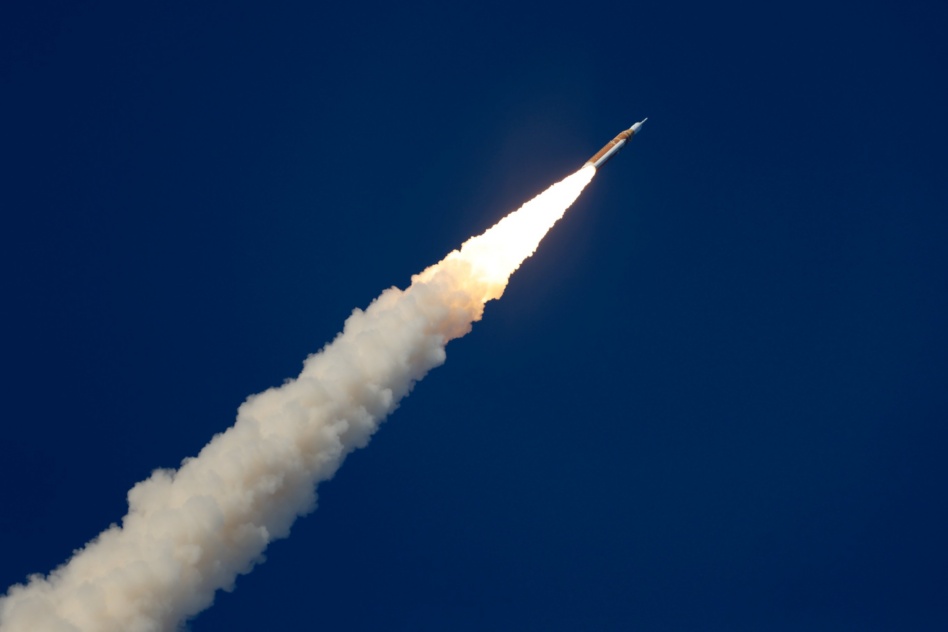
Four astronauts are on their way to the Moon after a successful Artemis II launch on Wednesday night.
The Space Launch System rocket, topped off with the Orion crew capsule, lifted off from the Kennedy Space Center at 6:35 pm ET. NASA astronauts Reid Wiseman, Christina Koch, and Victor Glover, plus Canadian Space Agency astronaut Jeremy Hansen, are on board—with Koch and Glover poised to make history as the first woman and person of color to head to the Moon, and Hansen as the first non-American.
Short term: During the 10-day mission, the astronauts will conduct a lunar flyby. Some highlights of the test flight include:
- Day 1: Flying up to and around the Interim Cryogenic Propulsion Stage—the SLS upper stage—to test Orion’s docking capabilities for future missions.
- Day 2: A translunar injection burn that will send Orion on a trajectory to the far side of the Moon.
- Day 3: Testing of Orion’s medical kit—including demoing CPR in space—plus comms tests with the Deep Space Network.
- Day 4: A 20-minute block to take photos of the celestial bodies visible through Orion’s windows.
- Day 5: A morning of spacesuit testing, and the first day that the Moon’s gravity will have more pull on the mission than Earth’s gravity.
- Day 6: The big one. The crew will make its closest flyby of the Moon—4,000 to 6,000 miles above the lunar surface—and will break the Apollo 13 crew’s record from 1970 to become the people who have traveled farthest from Earth.
- Day 7: The crew will debrief with scientists, while the astronauts’ observations of the Moon are still fresh.
- Day 8: Two tests to demo protection from high-radiation events, and the manual piloting of Orion.
- Day 9: The crew will test a backup waste collection system, and put on their compressional garments to prepare for their return to Earth.
- Day 10: Reentry and splashdown in the Pacific Ocean at 17 mph, thanks to a series of eight parachutes deployed in three tranches.
Long term: The ending of the Artemis II mission is just the beginning for the broader Artemis program. NASA’s next lunar mission—which is set to launch next year—will see Orion test its docking capabilities with one or both industry-led lunar landers. Then, all eyes are on Artemis IV, the first opportunity to put boots back on the Moon, scheduled for no earlier than 2028. After that, NASA Administrator Jared Isaacman has announced plans to launch crewed lunar missions twice a year, relying on commercial providers for launch.
NASA and White House officials have stressed that Artemis will go beyond the short lunar drop-ins that characterized the Apollo program. NASA has a three-phase plan to build a Moon base, aiming to establish an initial operating capability on the lunar south pole starting in 2029. While astronauts exploring the Moon’s surface will benefit from the base, much of its initial build up will be conducted autonomously by robotic rovers and landers, which are expected to launch on monthly Moon missions starting next year.
JAXA Taps ArkEdge for Two Lunar Navigation Demos
Today’s Moon explorers won’t have the luxury of GPS-like tech for navigation. But JAXA is trying to change that for future lunar visitors.
Vast Announces New Lunar Programs Division
Vast announced a Lunar Programs division, building on its commercial space station and satellite development work to support NASA’s Moon Base ambitions.
Exclusive: Astrolab, Interstellar Mapping Hunt Lunar Water
A new partnership between Astrolab and Interstellar Mapping is one giant leap for mapkind.
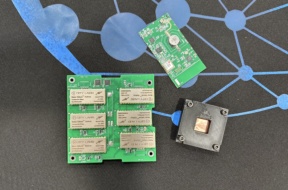
Exclusive: City Labs Plans Second Nuclear Demo
Following the success of City Labs’ first nuclear-powered betavoltaic demo, City Labs is planning a demo of its radioisotope heating unit.

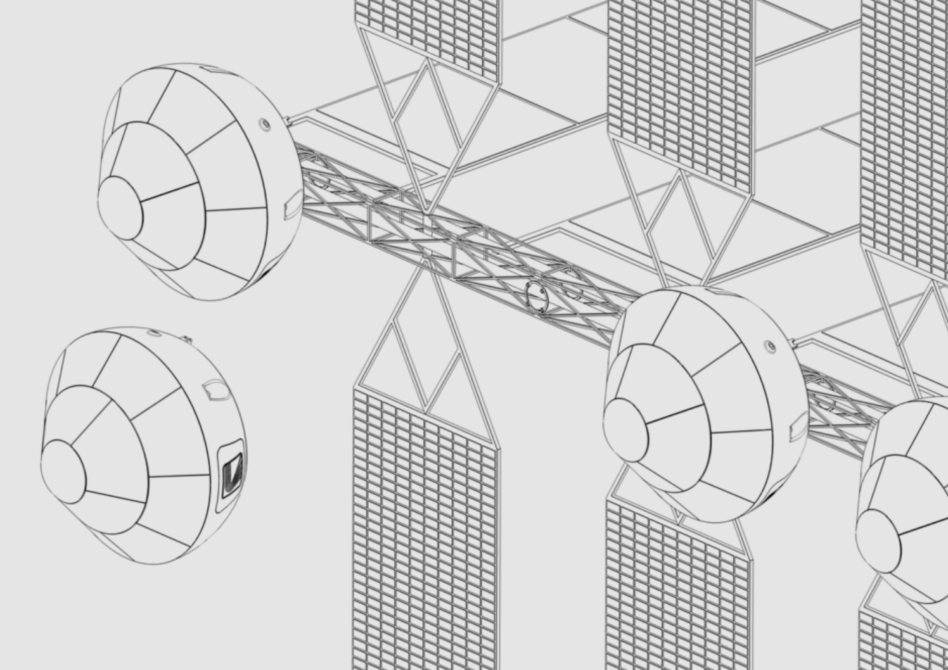
Manufacturing in space is quickly becoming commonplace.
With a growing number of reentry vehicles demonstrating regular flights, and commercial LEO destinations prepping for launch in the coming year, there are more options than ever for companies looking to manufacture in space.
One startup—YC-backed Dispatch—is building something that blends those two options.
Keep reading