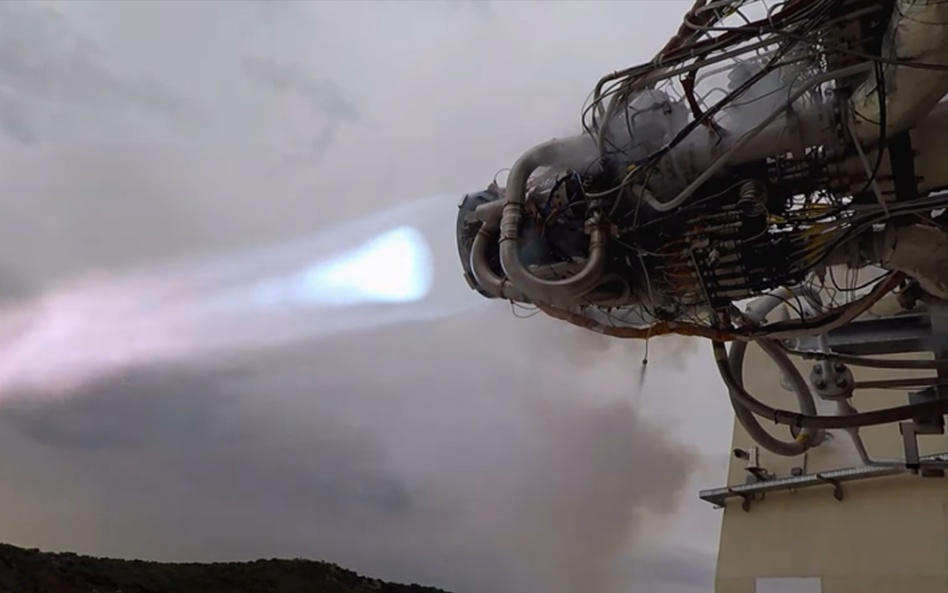
Italian rocket builder Avio announced late last week that it had successfully tested its M10 methalox upper stage engine at its test facility in Sardinia. The engine will power the third stage of the company’s Vega-E rocket, which it expects to debut in 2026. The M10 at a glance:
- Vehicle: Vega-E
- Thrust: 98 kN
- Specific impulse: 362 seconds
Although neither ESA, Avio, nor Arianespace, which operates the Vega family of vehicles, are currently advertising what the potential performance of Vega-E will be, Avio told the UN in July ‘20 that the rocket would be capable of carrying 2,800 kg to a 700 km orbit, a more than 20% increase from Vega-C.
- “With M10, Vega-E will improve performance, operational flexibility, sustainability, and cost efficiency,” said ESA head of space transportation flight programmes Stefano Bianchi.
- The M10 engine will also eliminate Vega’s reliance on the Ukrainian-built RD-843 engine that powers the Vega AVUM and Vega-C AVUM+ stages, the supply of which has been uncertain due to the war in Ukraine.
Step by step…: While work continues on Vega-E, ESA is preparing for the maiden Vega-C flight. Last week, the agency mated the Zefiro 40 second stage with the 1-2 interstage atop the P120C first stage booster.