


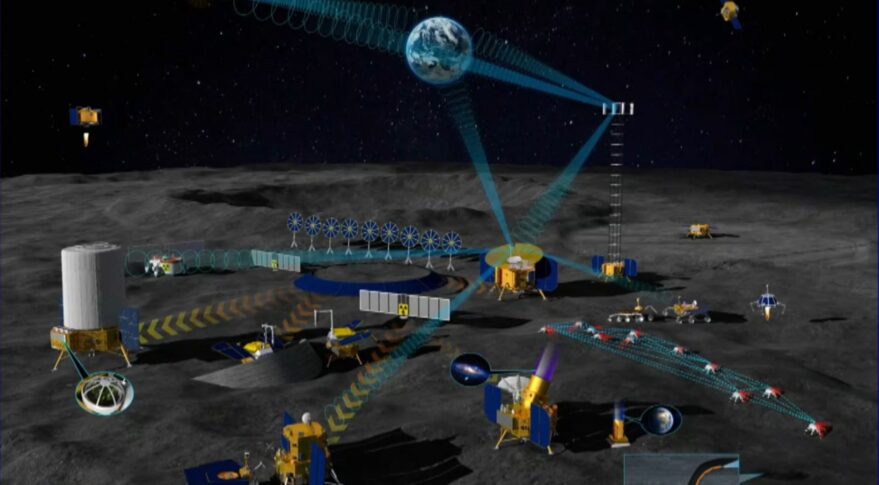
China and Russia are still planning on signing an agreement to build a lunar research station by 2035, CNSA officials confirmed Friday. The station, called the International Lunar Research Station (ILRS), was originally announced in June and represents the two nations’ response to NASA’s Gateway project.
ILRS 101: The proposed station would consist of an orbiting outpost and a base on the lunar surface, as well as several lunar rovers. At this point, other countries are still able to join the project.
- Gateway, in contrast, will only orbit the moon. NASA is also planning to build an Artemis Base Camp on the lunar surface.
Development timeline: China and Russia now need to build out the systems needed to support a long-term presence on the Moon, including energy, communication, and life support, per Wu Yanha, a deputy director at CNSA.
Over the next five years, China has three lunar missions planned: Chang’e-6, 7, and 8. Chang’e-6 and 7 will gather lunar samples and data, and Chang’e-8 will be the first mission to begin building the lunar base.
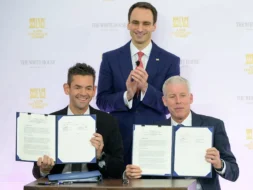
NASA Signs Space Nuclear Pact, Says Moon Base Is Ahead of Schedule
Isaacman gave updates at the White House’s “Science: A New Golden Age Summit.”
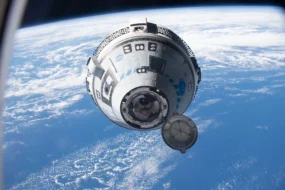
Starliner Targets Uncrewed Flight NET December, Crewed Follow Up in 2028
NASA and Boeing officials announced Monday that they have upgraded and redesigned Starliner following a dicey crewed test flight in 2024, which left NASA astronauts Butch Wilmore and Sunita Williams stuck on ISS for nine months.

Isaacman Doubles Down on New NASA Model for International Partnerships
Isaacman is less than a year on the job, but he’s already upended the way the agency interacts with the rest of the world.

Isaacman Promises ‘Artemis Acceleration’ Update Next Month
“There’s a lot of ingredients—so many ingredients—that need to come together for that landing, and we owe everybody an update,” he said. “There’s going to be an Artemis acceleration update…sometime in early October. Maybe it might even coincide with the [ISS] Crew 13 launch.”

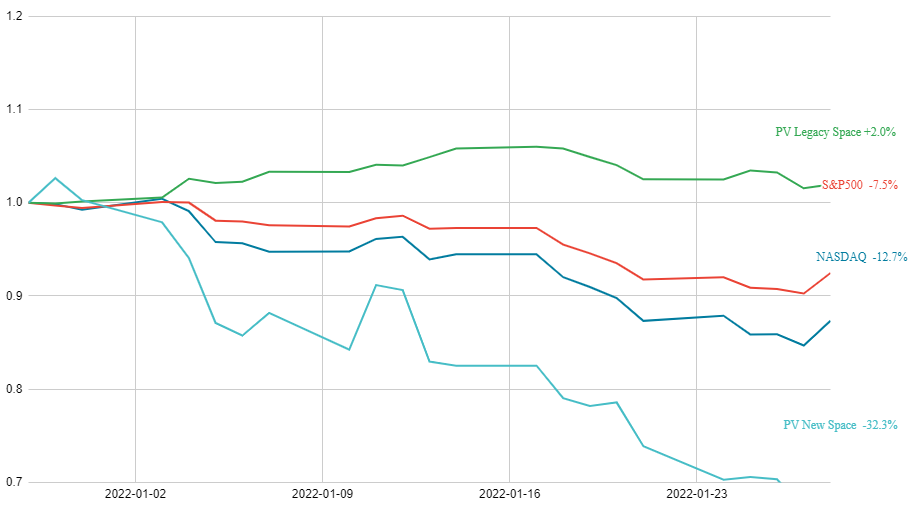
One-month performance (before market open, Jan. 31). Chart: Promus Ventures
Last week, the big names in US defense and aerospace contracting reported earnings. Ongoing supply chain and labor were a persistent headwind across the sector, and more broadly, results were a mixed bag. Let’s run through the space highlights.
On Tuesday, Raytheon (NYSE:RTX) and Lockheed Martin (NYSE:LMT) reported Q4 results. Lockheed’s Space segment net sales dropped 10% year over year (YoY) to ~$2.9B in Q4—and clocked in at $11.8B for the full year. Operating profit dropped 1% YoY, primarily thanks to lower revenue from ULA, “due to lower launch volume and launch vehicle mix.”
Keep reading