


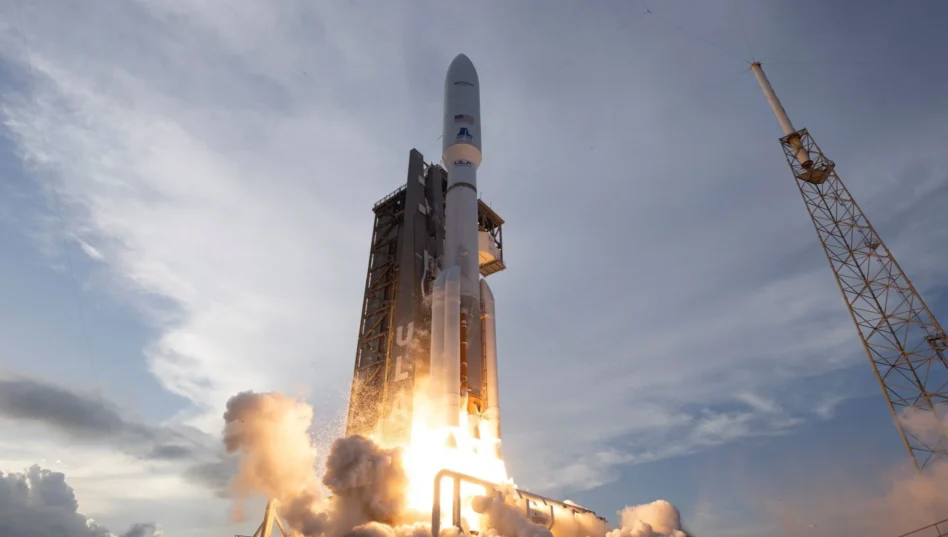
The FCC has granted Amazon Leo more time to get at least half of its constellation into orbit, but placed some restrictions on the satellite operator to encourage launching as quickly as possible.
How we got here: Following an initial approval in July 2020, the FCC authorized the launch of 3,232 Amazon Leo sats. Under the authorization for the first generation of satellites, Amazon was required to launch half of those satellites no later than July 30, 2026, with the remainder launched by July 30, 2029. The rules are intended to make sure that companies don’t have large amounts of approved spectrum that isn’t being used, because the sats have yet to launch.
Missing those deadlines typically comes with penalties, including fines and a reduction in the number of approved satellites.
The rub: However, Amazon has reportedly launched only 331 Leo satellites—about 10% of the total planned constellation, and far short of the 50% milestone set by the FCC.
- In January, Amazon Leo asked the FCC to either give the company an additional two years to meet the 50% deadline, or to waive that midway check-in altogether.
- The company committed to deploy all 3,232 sats by the original 2029 deadline.
The FCC evaluates waivers like this one based on the reasons for the delay, and whether it’s in the public interest to give operators leeway.
- Amazon claims the delay is driven in part by a lack of launch capacity.
- The company also said planned prototype launches were delayed by things like weather or government missions taking priority, which pushed back the start of manufacturing of its operational sats.
What’s next: The FCC approved Amazon Leo’s request for a waiver, meaning the company won’t be capped at the number of sats in orbit now, but will still be held to the 2029 full-deployment deadline.
- Giving Amazon Leo more time to execute its constellation plan, according to the FCC’s decision, is good for the American public, because it will offer an alternative broadband service to SpaceX’s Starlink and promote competition.
- Amazon Leo will also invest $10B+ into its constellation, the company said in 2020, showing it’s serious about getting it done and using its allocated spectrum.
But the extra time does come with some strings attached. To make sure that Amazon Leo doesn’t lollygag in launching sats (and to address concerns raised by SpaceX about the grace granted to its competitor), the FCC is:
- Removing Amazon Leo’s priority access to spectrum for any sats deployed after July 30, 2026, until either March 30, 2028, or when the operator hits the 50% milestone.
- Amazon Leo can shorten that wait for priority spectrum to Oct. 30, 2027 if the company can prove that at least 50% of the sats are built with a launch secured.
“The Bureau’s approach strikes the correct balance of enforcing the rules to encourage other operators to meet their deployment milestones, while still encouraging and incentivizing deployment of valuable services to the American public and promoting American leadership in space,” the FCC wrote.
Velos’ Election Day Tracker for Space
Space may not be top of mind when voters head to the ballot box, but Election Day outcomes still have a big impact on US policy and funding above the Kármán line.
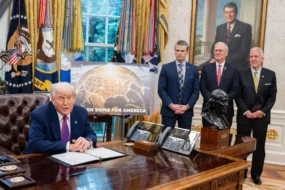
Colorado Springs, Huntsville Team Up on Golden Dome
“It’s a transformed relationship between Colorado Springs and Huntsville,” Rep. Jeff Crank (R-CO) told Payload. “When I took office, I don’t think it was a bad relationship, but it was one where both communities were kind of looking over their shoulder at the other. That wasn’t good for America, and I don’t think it was good for Colorado Springs or Huntsville either.”

Artemis Accords To Meet on Lunar Debris, Emerging Space Help
The Artemis Accords Principals’ Meeting in Turkey will be led by NASA Deputy Administrator Matt Anderson and Maj. Gen. Roberto Melgar Sheen, director of the Peruvian Space Agency.
FCC to Vote on Waiving NEPA Review for Space Ops
The FCC will vote Sept. 30 on whether to narrow which commission activities face environmental review, and streamline the process for the ones that require assessment.

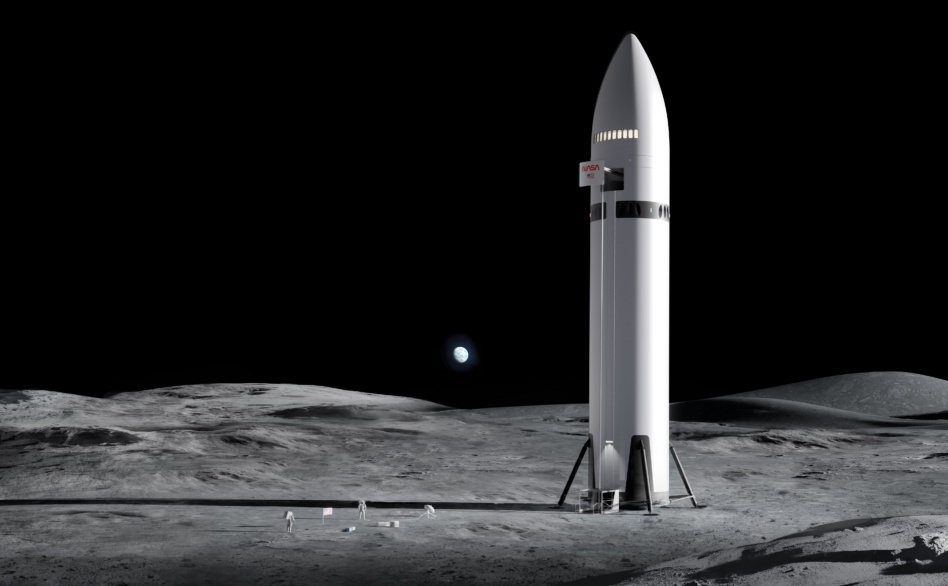
The Artemis III astronauts may meet not one private spacecraft during their mission, but two.
SpaceX and Blue Origin plan to each provide a lander for the 2027 mission to Earth orbit, which will serve as a test run for Moon landings starting as soon as the following year, NASA confirmed at a Tuesday event.
John Couluris, the SVP of lunar permanence at Blue Origin, acknowledged the timeline sounds ambitious—especially after the company’s New Glenn rocket exploded on the pad last month. However, he said officials are “confident that New Glenn will be ready for Artemis III.”
Keep reading